

Are your fruit trees looking a bit unruly? Maybe they’re not producing as much fruit as you’d hoped. Proper pruning can make all the difference, helping your trees thrive and yield better crops.
Key Takeaways
- Proper pruning is essential for maintaining the health and productivity of fruit trees, promoting air circulation and sunlight exposure.
- Regular pruning significantly improves fruit quality by allowing individual fruits to receive adequate nutrients and light, resulting in larger and tastier crops.
- A well-pruned tree develops a strong structure that supports healthy growth and reduces the risk of breakage under the weight of fruit.
- Effective pruning techniques, such as thinning and heading cuts, enhance both growth and fruit production by managing shape and directing energy.
- Timing is crucial; winter pruning helps establish strong growth, while summer pruning manages tree shape and energy for fruiting.
- Avoid common mistakes like over-pruning and using dull tools to ensure healthier trees and better yields.
Importance Of Pruning Fruit Trees
Pruning fruit trees plays a crucial role in maintaining their health and productivity. Proper pruning enhances airflow and sunlight penetration, which minimizes the risk of diseases and pests. When you trim away dead or diseased branches, you promote new growth and encourage robust fruit production.
Improved Fruit Quality
Pruning directly affects the quality of the fruit your trees produce. Thinning out crowded branches allows individual fruits to receive more nutrients and sunlight. This results in larger, healthier, and tastier fruits, contributing to a bountiful harvest.
Enhanced Tree Structure
A well-pruned tree develops a strong framework. This structure supports the tree as it grows, preventing breakage or collapse under the weight of fruit. Pruning shapes the canopy, allowing for better light distribution, which assists in overall tree vitality.
Increased Yield
Regular pruning leads to higher fruit yields annually. By cutting back certain branches, you redirect the tree’s energy towards producing fruit rather than excessive foliage. Young trees benefit from early pruning, which establishes strong branches for future fruit-bearing.
Easier Harvesting
A neatly pruned tree simplifies the harvesting process. When branches are spaced correctly and in an accessible manner, you pick fruit more easily and quickly. This reduces the chance of damaging fruit or branches while harvesting.
Improved Aesthetics
Pruning improves the visual appeal of fruit trees, creating a more organized and attractive yard. A well-shaped tree enhances your landscape, adding value to your property. Pruning regularly helps maintain this appearance, keeping your trees looking healthy and vibrant.
Tools Needed For Pruning
Proper pruning requires the right tools to ensure effective results. Using specialized equipment helps you maintain your fruit trees’ health and productivity.
Essential Pruning Tools
- Hand Shears: Use high-quality pruning shears with sharp blades. They make clean cuts on small branches and buds.
- Loppers: For thicker branches, loppers offer additional leverage. Look for long-handled models to extend your reach.
- Pruning Saw: Select a pruning saw for larger branches. Choose one with a curved blade for effective cutting.
- Pole Pruner: This tool helps you reach high branches. Consider models with extendable poles for versatility.
- Garden Knife: A sharp garden knife can assist in soil clearing and wound treatment on cuts.
- Tarp or Container: Use a tarp to collect clippings easily. It simplifies cleanup after pruning.
- Safety Glasses: Protect your eyes from falling debris while you prune. Safety glasses enhance visibility and comfort.
- Gloves: Wear sturdy gloves to protect your hands from cuts and thorns. Opt for gloves with a good grip for better control.
- Hearing Protection: For noisy tools, such as chainsaws, consider ear protection. Prolonged exposure to noise can affect your hearing.
- Climbing Harness: If your tree requires climbing, a harness increases safety. Ensure it fits properly and supports your weight.
- First Aid Kit: Keep a first aid kit nearby for minor injuries. Be prepared to treat cuts or scrapes immediately.
Equipping yourself with these tools and safety gear makes the pruning process smoother and more efficient. Being prepared allows you to focus on the health and structure of your trees.
Pruning Techniques
Proper pruning techniques are vital for maintaining healthy and productive fruit trees. By understanding and implementing these methods, you enhance both the growth and fruit quality of your trees.
Recommended Products

CLEAN CUTS FOR LIVE GROWTH: Bypass blade design is ideal for pruning delicate flower stems and green growth, helping reduce crushing and plant damage while cutting stems and small branches up to 5/8” in diameter

Reduce Hand Strain: These micro tip snips are made to reduces hand fatigue which makes them great for those with arthritis, carpal tunnel, hand or wrist issues; Comfortable “grip” handles will make it easy to work for long-time use without making you feel hand pain
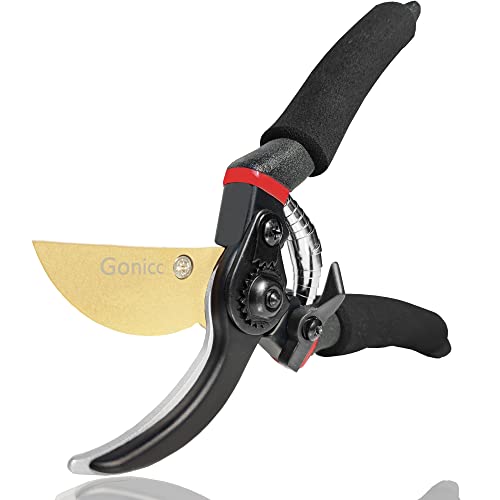
Drop-forged construction delivers exceptional durability and sturdiness for long-term heavy garden use.
Thinning Cuts
Thinning cuts involve removing entire branches or stems at their point of origin. This technique improves air circulation and sunlight exposure in the tree’s canopy.
- Focus on crowded areas: Identify sections where branches overlap or crowd each other.
- Eliminate weak or diseased growth: Remove any branches that appear unhealthy, as these can hinder overall tree vitality.
- Enhance shape: Use thinning cuts to create a balanced structure, promoting better growth patterns.
Thinning cuts are effective for shaping the tree and ensuring proper energy distribution for fruit production.
Heading Cuts
Heading cuts encourage denser growth by shortening branches. This method stimulates the development of new buds, leading to a bushier appearance.
- Target young branches: Make heading cuts on younger, healthy branches to promote quicker growth.
- Make clean cuts: Always cut just above a bud to guide new growth in the desired direction.
- Control tree height: Use heading cuts to manage excessive height, making it easier to harvest fruit.
By practicing heading cuts, you facilitate stronger, more productive branches that can carry heavier fruit loads.
Seasonality Of Pruning
Pruning fruit trees at the right time enhances their health and productivity. The season affects how trees respond to cuts, making timing essential.
Recommended Products
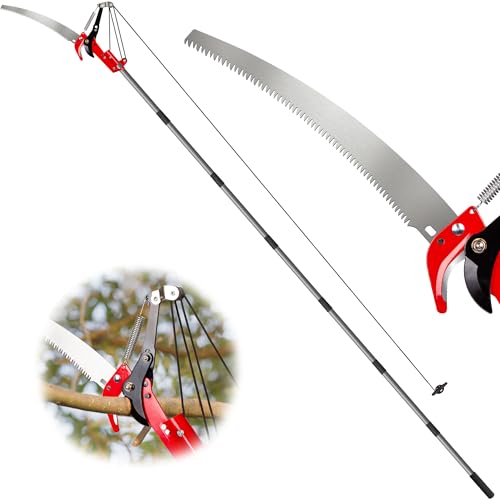
14FT POLE TREE PRUNER WITH SAW FUNCTION: Designed primarily for high branch trimming with pull-rope pruning shears, while the integrated saw provides an additional cutting option when needed. This manual tree pruner combines pruning and sawing functions in one long-reach tool for routine tree care in yards, gardens, and orchards.

【Multi-purpose Tree Pruner】The telescopic pole pruner has a shearing function and can be used for picking fruit and trimming high branches. The sharp blade of the fruit picking rod can easily cut branches up to 1/2 inch in diameter, and the included serrated saw blade uses double-sided cutting technology, making it easy to cut through thicker tree trunks. Its versatile design makes it an indispensable tool for gardening.

2-IN-1 Tree Pruner with Saw and Pruning Shears: This manual pole saw combines pruning shears for smaller branches and a durable tree saw for thicker limbs, allowing homeowners to handle different tree trimming tasks with one versatile tool.
Winter Pruning
Winter pruning occurs during the tree’s dormancy, ideally between late fall and early spring. This period allows for visibility of the tree’s structure without leaves, making it easier to identify branches that need removal. Focus on these key points:
- Remove dead or diseased branches to prevent pests and disease.
- Thin crowded areas to improve airflow and sunlight penetration.
- Shape the tree by cutting back long branches that disrupt balance.
- Make clean cuts at a slight angle to promote quicker healing.
Winter pruning encourages strong growth when spring arrives, leading to robust blooms and fruit production.
Summer Pruning
Summer pruning happens during active growth, typically from June to August. This approach allows for more direct observation of the tree’s growth patterns. Keep these aspects in mind:
- Trim greenery to manage tree shape and height.
- Remove water sprouts and suckers that divert energy from fruit production.
- Cut young wood to enhance light exposure to ripening fruits.
- Limit the amount of pruning to avoid stressing the tree during its growing season.
Summer pruning helps control growth and directs energy to develop fruit instead of excessive foliage.
Common Mistakes To Avoid
Pruning fruit trees requires care and precision. Avoid these common mistakes to ensure healthy growth and higher yields.
Over-Pruning
Over-pruning stresses trees. Remove no more than 25% of a tree’s foliage in one season. For young trees, focus on the shape rather than drastic removal.
Pruning at the Wrong Time
Pruning at the wrong time can harm fruit production. Winter pruning works well for most fruit trees during dormancy. Summer pruning, best for managing shape, should occur after the first flush of growth.
Neglecting Disease-Infested Areas
Ignoring diseased branches spreads infection. Always cut and dispose of infected limbs carefully. Clean your tools between cuts to prevent contamination.
Using Dull Tools
Dull tools create ragged cuts, allowing disease to enter. Keep tools sharp to ensure clean cuts. Regularly maintain and sanitize your pruning tools for optimal performance.
Removing the Wrong Branches
Removing the wrong branches impacts growth and fruiting. Focus on cutting dead, damaged, or crossing branches. Avoid cutting large branches unless necessary, as this weakens the tree structure.
Not Observing Tree Structure
Ignoring tree structure leads to poor shape and fruit production. Observe how branches grow. Aim for a balanced structure with space for sunlight and airflow.
Forgetting to Step Back
Not stepping back during pruning can result in an unbalanced tree. Regularly step back to assess the tree’s overall shape. Adjust your pruning techniques as needed for balance.
By avoiding these mistakes, you can enhance the health of your fruit trees and enjoy productive yields year after year.
Conclusion
Properly pruning your fruit trees is key to enjoying a bountiful harvest and maintaining a healthy garden. By using the right tools and techniques you can ensure your trees thrive and produce delicious fruit year after year. Remember to pay attention to timing and avoid common mistakes that can hinder growth.
Each cut you make should support the overall structure and health of your trees. As you practice these pruning methods you’ll gain confidence and see the benefits reflected in your garden. So grab your tools and get started on your pruning journey. Your fruit trees will thank you with abundant and tasty rewards.
Frequently Asked Questions
What is the importance of pruning fruit trees?
Pruning fruit trees is essential for their health and productivity. It enhances airflow and sunlight penetration, reducing the risk of diseases and pests. Proper pruning promotes new growth, affects fruit quality, and allows individual fruits to receive more nutrients, resulting in larger and tastier produce.
When is the best time to prune fruit trees?
The best time to prune fruit trees depends on the type of pruning. Winter pruning, done during dormancy, shapes the tree and encourages strong growth in spring. Summer pruning focuses on managing tree shape, height, and light exposure, redirecting energy to fruit development.
What tools do I need for pruning fruit trees?
Essential tools for pruning fruit trees include hand shears, loppers, pruning saws, pole pruners, and garden knives. Safety gear like safety glasses, gloves, and hearing protection is also crucial for a safe and efficient pruning process.
What are thinning and heading cuts?
Thinning cuts remove entire branches at their point of origin to improve air circulation and light exposure. Heading cuts shorten branches to encourage denser growth and stimulate new bud development, helping manage tree height and strength as it supports heavier fruits.
What mistakes should I avoid while pruning?
Common pruning mistakes to avoid include over-pruning, which stresses trees, and pruning at the wrong time, harming fruit production. Additionally, neglecting disease-infested areas and using dull tools can negatively affect growth and fruiting. Always assess the overall shape of the tree during pruning.
