

Growing orange trees in pots during Maine’s winter requires careful planning and execution to ensure their survival. Indoor conditions can be challenging, but with the right techniques, you can maintain healthy trees that produce fruit year-round.
Essential Supplies for Indoor Orange Trees
To successfully care for orange trees indoors during Maine’s harsh winter months, having the right supplies is crucial. This section outlines the essential tools and materials needed to create an optimal environment for your potted orange trees, ensuring they thrive despite the cold and limited sunlight. Equip yourself with these items to support healthy growth and fruit production.
To successfully grow orange trees indoors during winter, gather essential supplies. These items will help create an optimal environment for your trees.
Potting Mix: Use a well-draining mix, preferably one designed for citrus.
Containers: Choose pots with drainage holes, ideally 12-16 inches in diameter.
Grow Lights: Invest in full-spectrum LED grow lights to supplement natural sunlight.
Fertilizer: Use a balanced citrus fertilizer with micronutrients.
Humidity Tray: A tray filled with water and pebbles can help maintain humidity.
Thermometer: Monitor indoor temperatures to ensure they remain stable.
Recommended Products

72 LED Full Spectrum, 380nm-800nm – Built with 72 super bright LEDs covering the full 380nm-800nm spectrum: 36 white 5000K, 28 warm white 3000K, 6 red and 2 blue. This grow light for indoor plants delivers the wavelengths your plants need year-round, supporting every stage from seedling to bloom — even in rooms with little natural sunlight.
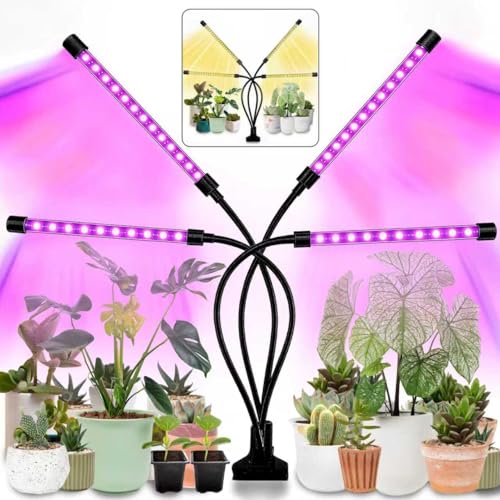
🌻Efficient LED Combination: This LED lamp has grow lights made up of 80 efficient growing LEDs ( 32 red lights, 12 blue lights,20 yellow lights and 16 white lights). It meets the conditions of plant growth without sunlight. 1--Full Spectrum(380nm-800nm): Suitable for all plants to root and sprout. 2--Red(660nm)+BLUE(460nm) Spectrum: for blooming and fruits. 3--Red+Blue+Full Spectrum: A mix of Red+Blue+Warm White is best to fuel the growth of your plants.

【Newest Grow Light】The appearance of the lamp head adopts patentable mold technology and incorporates exclusive design concepts. The back plate has a unique pattern and premium texture which is not easily scratched. The holes in the back are specially reserved for heat dissipation space, saying goodbye to the heating problem during the use of the lamp.
Indoor Preparation for Orange Trees
Preparing orange trees for indoor survival during Maine’s harsh winter requires careful attention to their specific needs. This section outlines essential steps to ensure your potted orange trees thrive indoors, including optimal lighting, temperature control, and watering practices. By following these guidelines, you can help your trees remain healthy and vibrant until spring returns.
Before moving your orange trees indoors, prepare both the plants and your home environment. Proper preparation minimizes stress on the trees and ensures a smoother transition.
Inspect Trees: Check for pests and diseases before bringing them indoors.
Prune: Trim any dead or damaged branches to promote healthy growth.
Acclimate: Gradually introduce trees to indoor conditions over a week.
Choose Location: Select a bright, warm area with good air circulation.
Heating Vent Temperature Risks for Potted Trees
Maintaining the right temperature for potted orange trees during Maine’s harsh winters is crucial for their survival. Fluctuations in heating vent temperatures can pose significant risks, potentially harming the trees’ health and fruit production. Understanding these risks will help ensure your orange trees thrive indoors despite the cold outside.
Avoid placing trees near heating vents as fluctuating temperatures can harm them.
Indoor Care Strategies for Potted Orange Trees
Caring for potted orange trees during Maine’s harsh winters requires specific strategies to ensure their survival and health. This section outlines essential indoor care techniques, from optimal lighting and temperature conditions to watering and humidity management, tailored to help your citrus trees thrive despite the cold climate outside.
Maintaining indoor orange trees requires attention to several factors. Regular care will ensure robust growth and fruit production.
Watering: Water when the top inch of soil feels dry. Ensure excess water drains out.
Lighting: Position trees near windows or use grow lights for at least 12-14 hours daily.
Fertilizing: Feed with citrus fertilizer every 4-6 weeks during the growing season.
Humidity: Keep humidity levels around 40-60% using a humidity tray or misting.
| Care Factor | Recommended Action | Frequency |
|---|---|---|
| Watering | Check soil moisture | Every 1-2 weeks |
| Lighting | Use grow lights | 12-14 hours daily |
| Fertilizing | Apply citrus fertilizer | Every 4-6 weeks |
| Humidity | Maintain levels | Daily misting |
Recommended Products

Compact Grow Light Fits Practically Anywhere:this compact grow light fits on a countertop or work desk, under kitchen cabinets, Supplies light-craving plants like herbs and succulents with all the light they need to flourish. Fits easily into a college dorm room, studio apartment, or any other setting where space is at a premium.

𝐓𝐚𝐥𝐥𝐞𝐫 𝐚𝐧𝐝 𝐌𝐨𝐫𝐞 𝐒𝐭𝐚𝐛𝐥𝐞: This 65-inch large plant lights for indoor growing provides a taller and more stable design, ensuring that the LED grow light stands securely, allowing you to position it at the perfect height for your plants.
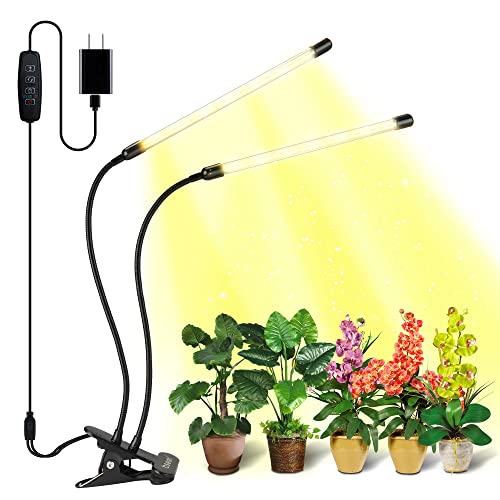
Full Spectrum LED with Yellow and White Combination: Bseah led grow light can promote photosynthesis, germination, growth, flowering and fruiting of plants.
Indoor Orange Tree Problem Solutions
Growing orange trees in pots can be a rewarding endeavor, especially in Maine’s challenging winter climate. However, indoor conditions can lead to specific issues that affect the health and productivity of these trees. This section addresses common problems and provides effective solutions to ensure your orange trees thrive indoors during the colder months.
Indoor orange trees can face several challenges. Identifying and addressing these issues early will help maintain plant health.
Leaf Drop: This may indicate overwatering or insufficient light. Adjust watering schedule and lighting conditions.
Pest Infestation: Common pests include spider mites and aphids. Use insecticidal soap or neem oil for treatment.
Poor Growth: If trees are not thriving, check for nutrient deficiencies and adjust fertilization accordingly.
Recommended Products

Repels Insects, Bugs, Ants, Roaches, Fleas, Palmettos and Silverfish

Stress Indicators for Potted Orange Trees
Potted orange trees can face unique challenges, especially during the harsh Maine winters. Understanding the stress indicators specific to these trees is crucial for maintaining their health and vitality indoors. By recognizing these signs early, you can take the necessary steps to ensure your orange trees thrive despite the cold conditions outside.
Monitor trees closely for signs of stress, as early intervention is crucial.
Winter Care Adjustments for Orange Trees
Caring for orange trees in pots during Maine’s harsh winter months requires specific adjustments to ensure their survival and health. Understanding the unique challenges posed by indoor conditions is essential for maintaining their vitality. This section outlines the necessary changes in care routines to help your orange trees thrive despite the cold and limited sunlight.
As winter progresses, adjust care routines to accommodate the changing environment. These modifications will help your orange trees thrive indoors.
Temperature Control: Maintain a consistent temperature between 60-70°F.
Light Duration: Increase grow light exposure as days shorten.
Watering Frequency: Reduce watering during colder months as growth slows.
| Seasonal Adjustment | Recommended Action |
|---|---|
| Temperature | Maintain 60-70°F |
| Light Duration | Increase exposure |
| Watering | Reduce frequency |
Indoor Care Strategies for Maine’s Orange Trees
Caring for orange trees indoors during Maine’s harsh winters requires a thoughtful approach to ensure their survival and health. This section outlines essential strategies for providing optimal light, temperature, and humidity levels, as well as tips for watering and fertilizing. By following these guidelines, you can help your potted orange trees thrive despite the cold outside.
Implementing these strategies will enhance the chances of your orange trees thriving indoors during Maine’s winter. Regular monitoring and adjustments will ensure healthy growth and fruitful harvests.
