

Cherry trees can thrive in Austin, TX, particularly with the right Central Texas varieties. Selecting the appropriate species and understanding local growing conditions are essential for successful cultivation.
Best Cherry Tree Varieties for Austin
When considering cherry trees for Austin, TX, it’s essential to choose varieties that thrive in the region’s unique climate and soil conditions. This section highlights the best cherry tree options suited for Central Texas, ensuring successful growth and fruit production in your landscape. Explore these selections to find the perfect fit for your garden.
Choosing the right cherry tree varieties is crucial for successful growth in Austin’s climate. The most suitable options include Bing, Black Tartarian, and Sweetheart cherries. Each variety has unique characteristics that affect growth, fruiting, and disease resistance.
| Variety | Fruit Type | Chill Hours Required | Growth Habit |
|---|---|---|---|
| Bing | Sweet | 700-1,000 | Upright |
| Black Tartarian | Sweet | 600-800 | Spreading |
| Sweetheart | Sweet | 700-800 | Compact |
Recommended Products
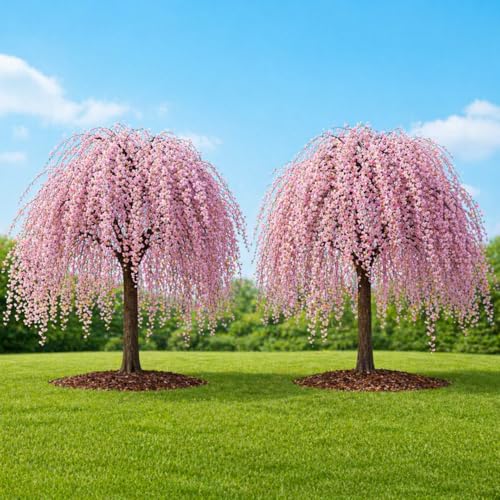
WHAT YOU WILL RECEIVE: 2 Cherry blossom tree live plant approximately 6 - 12 inches tall, prepared for transplanting into garden soil or outdoor containers

Fragrant Flowers: Trees bloom with sweet-smelling flowers in late spring and early summer, providing a valuable source of nectar for pollinators like bees and holding significant ecological value

Soil Preparation for Cherry Trees in Texas
Preparing the soil is crucial for successfully growing cherry trees in Austin, TX. The right soil conditions not only support healthy growth but also enhance fruit production. This section will detail the specific soil preparation techniques needed to ensure your cherry trees thrive in Central Texas.
Soil preparation is a vital step in ensuring healthy cherry trees. Cherry trees prefer well-drained, loamy soil with a pH between 6.0 and 7.5. Conduct a soil test to determine nutrient levels and amend accordingly.
Add organic matter such as compost to improve soil structure.
Ensure proper drainage by incorporating sand if the soil is heavy.
Test pH levels and adjust with lime or sulfur as needed.
Recommended Products

Kindly NOTE: This soil tester can not be applied to test pH value of any other liquid. If the soil is too dry the indicator will not move, and water it before testing.

KNOW BEFORE YOU GROW | Grow the healthiest, sustainable lawn and garden with the most accurate and easy to use professional soil test kit on the market

Accurate Soil pH Testing: Dewildetradingco Soil pH Test Strips offer measurements of soil pH levels (pH 3.5-9). As an essential tool for every gardener and grower, these test strips help determine the optimal pH for various plants, such as outdoor plants, indoor plants, gardens, grass lawns, fruit trees, flowers, vegetables, and forest shrubs.
Optimal Planting Time for Cherry Trees
Understanding the optimal planting time for cherry trees in Austin, TX is crucial for successful growth and fruit production. Central Texas’ unique climate and seasonal patterns influence when to plant these trees to ensure they thrive. This section will provide insights into the best times for planting cherry varieties suited to the region.
Timing is critical when planting cherry trees in Central Texas. The best planting period is in late winter or early spring, just before the last frost. This timing allows the roots to establish before the heat of summer.
Choose a sunny location that receives at least six hours of direct sunlight daily.
Dig a hole twice the width of the root ball and the same depth.
Water thoroughly after planting to settle the soil around the roots.
Maintain Cherry Trees for Healthy Growth
Maintaining cherry trees in Austin, TX, requires specific care to ensure their healthy growth in the unique Central Texas climate. Understanding the right practices for watering, pruning, and pest management is essential for thriving cherry trees. This section delves into effective maintenance strategies tailored to the region’s conditions.
Regular maintenance is essential for the health and productivity of cherry trees. This includes watering, fertilizing, and pruning.
Water deeply once a week during dry spells.
Fertilize with a balanced fertilizer in early spring.
Prune trees annually to remove dead or diseased wood and promote airflow.
Recommended Products

【10FT Telescoping Pole Saw – Safe High Reach】 This telescoping pole saw extends from 4.6FT to 10FT, allowing you to pick cherries, avocados, and citrus fruits safely without a ladder. Great for backyard harvest.
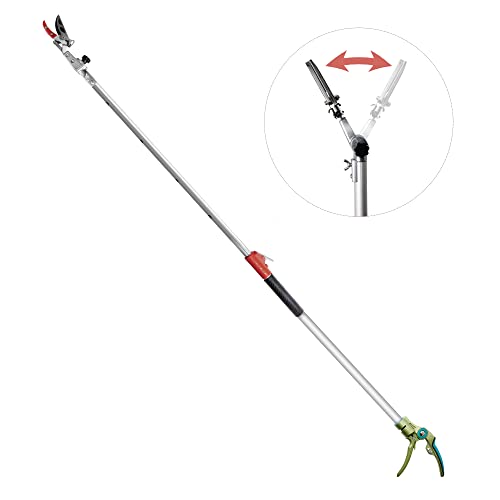
[Helpful Garden Tool] GARTOL brings to you a lightweight and extendable pruning tool to reach out to the least approachable arenas of your garden. You can conveniently get across other plants to remove the fastgrowing brambles and sting nettles without getting scratched or hurt. For gardening lovers, the telescopic pruner cutter head can can be rotated which resolves mobility issues and gives you the pleasure of trimming your garden without bending down or using a ladder to climb and cut them.

[Cut & Hold Pole Pruner for Tree Trimming] This long reach cut and hold pruner makes it easy to grip and remove branches, flowers, or fruit without dropping them. Perfect as a pole fruit picker for harvesting lemons, oranges, apples, or persimmons, and for trimming shrubs and bushes without climbing a ladder.
Cherry Tree Pest and Disease Management
Managing pests and diseases is crucial for the health of cherry trees in Austin, TX. The region’s unique climate can introduce specific challenges that affect tree growth and fruit production. Understanding the common threats and implementing effective management strategies will help ensure a thriving cherry tree garden in Central Texas.
Cherry trees can be susceptible to various pests and diseases, which can hinder growth and fruit production. Regular monitoring and proactive measures can help mitigate these issues.
Monitor for aphids and use insecticidal soap if necessary.
Check for fungal diseases such as powdery mildew and apply fungicides as needed.
Use sticky traps to catch pests early in the season.
Austin Cherry Tree Climate Considerations
Understanding the climate considerations for cherry trees in Austin, TX is essential for successful cultivation. Central Texas presents unique challenges and opportunities due to its specific weather patterns, soil types, and seasonal variations. This section delves into the key climatic factors that influence cherry tree growth in the region, helping you make informed decisions for your garden.
Austin’s climate presents unique challenges for cherry tree cultivation. High temperatures and occasional drought can stress trees, impacting fruit quality and yield.
Mulch around the base to retain moisture and regulate soil temperature.
Provide shade during extreme heat to prevent sunburn on fruit.
Consider windbreaks to protect trees from strong winds.
Troubleshoot Common Cherry Tree Issues
Growing cherry trees in Austin, TX can be rewarding, but they are not without their challenges. This section addresses common issues that may arise, offering practical solutions to help ensure your cherry trees thrive in the Central Texas climate. Whether dealing with pests, diseases, or environmental factors, understanding these problems is key to successful cultivation.
Identifying and addressing common issues is essential for successful cherry tree growth. Problems can arise from environmental factors, pests, or diseases.
| Issue | Symptoms | Suggested Action |
|---|---|---|
| Leaf Curling | Leaves curl and yellow | Inspect for aphids |
| Poor Fruit Set | Few cherries produced | Check pollination conditions |
| Wilting | Leaves droop | Ensure adequate watering |
Regularly inspect your cherry trees for signs of stress or disease. Early intervention can save your trees and ensure a bountiful harvest.
Cherry Harvest Timing and Enjoyment Tips
Understanding the timing of cherry harvests is crucial for maximizing both yield and enjoyment in Austin’s unique climate. This section provides insights into when to expect ripe cherries and offers practical tips for harvesting and savoring these delicious fruits, ensuring that you make the most of your cherry-growing experience in Central Texas.
Once your cherry trees bear fruit, it’s time to enjoy the rewards. Harvesting cherries at the right time ensures the best flavor and quality.
Pick cherries when they are fully colored and firm to the touch.
Handle gently to avoid bruising the fruit.
Store harvested cherries in a cool place to extend freshness.
With the right care and attention, cherry trees can flourish in Austin, providing delicious fruit for years to come.
