

Cherry trees can thrive in Arlington, TX, given the right conditions and care. Selecting the appropriate varieties and understanding local climate factors are essential for successful growth.
Cherry Tree Selection for Arlington Climate
Choosing the right cherry tree variety is crucial for success in Arlington. Some varieties are better suited for warmer climates and can withstand the heat and humidity typical of North Texas. The Yoshino Cherry and Bing Cherry are popular options, but it’s important to consider their specific needs.
Recommended Products

[Lush Double Blooms in Mixed Shades] Produces clusters of fully double flowers with 10-30 petals per bloom. Flowers appear in a range of shades from soft pink to rich rose. Each branch becomes covered in cascading floral clusters.

Height: 4-10 inches tall

Sweet cherry seedlings grow quickly, reaching heights of 2 to 4 inches in about a month after germination. Trees may live as long as 250 years.
Top Cherry Tree Varieties for Arlington
When considering cherry trees for Arlington, TX, selecting the right varieties is crucial for thriving growth and fruit production. The unique climate and soil conditions of North Texas can influence which types will flourish best in this region. Here are some of the top cherry tree varieties suited for Arlington’s environment.
Yoshino Cherry: Known for its stunning spring blooms. Requires full sun and well-drained soil.
Bing Cherry: Produces sweet, dark fruit. Prefers slightly acidic soil and good air circulation.
Okame Cherry: Hardy and drought-resistant. Blooms early and tolerates heat well.
| Variety | Bloom Time | Fruit Type | Hardiness Zone |
|---|---|---|---|
| Yoshino Cherry | Early Spring | Ornamental | 5-8 |
| Bing Cherry | Late Spring | Sweet | 5-8 |
| Okame Cherry | Early Spring | Ornamental | 6-8 |
Arlington Climate Impact on Cherry Trees
The climate in Arlington presents unique challenges for cherry trees. Understanding seasonal temperatures, rainfall, and soil conditions is vital. Cherry trees require a chilling period in winter, which Arlington typically provides, but extreme heat in summer can stress the trees.
Winter Chill Requirements for Cherry Trees
Cherry trees require a specific amount of winter chill to thrive, particularly in regions like Arlington, TX. Understanding these chill requirements is crucial for successful cultivation, as insufficient cold exposure can hinder flowering and fruit production. This section explores the necessary chilling hours and how local climate conditions impact cherry tree growth in North Texas.
Winter Chilling: Essential for fruit set. Most cherry varieties need 700-1,000 chilling hours.
Summer Heat: High temperatures can cause stress. Providing shade during peak heat can help.
Rainfall Patterns: Consistent moisture is necessary, but avoid waterlogged soil.
Soil Amendments for Cherry Trees in Arlington
Growing cherry trees in Arlington, TX requires careful attention to soil quality. The unique soil conditions in North Texas can present challenges, making soil amendments essential for successful cultivation. This section will explore the specific amendments that can enhance soil health and support the growth of cherry trees in this region.
Proper soil preparation enhances cherry tree growth. Cherry trees prefer well-drained, loamy soil with a pH between 6.0 and 7.0. Testing soil before planting can help determine necessary amendments.
Recommended Products

✅ 1Dial & 1 LCD Screen - Replace/install all 3 batteries each time. Put button to %RH/°F to - Turn On, and put to LIGHT to - Turn Off. Read the LCD results in 3-5 mins. (Not Water Moisture Meter, so, please don't test liquid)

Quick, at home results for Soil pH, Nitrogen, Phosphorous and Potash Innovative and inexpensive soil test kit features an easy-to-use capsule system and patented color comparators

Kindly NOTE: This soil tester can not be applied to test pH value of any other liquid. If the soil is too dry the indicator will not move, and water it before testing.
Soil pH Testing for Cherry Trees
Understanding soil pH is crucial for successfully growing cherry trees in Arlington, TX. The right pH level can significantly impact tree health, fruit production, and overall growth. This section delves into the importance of soil pH testing and offers insights on how to assess and adjust your soil for optimal cherry tree cultivation.
Test Soil pH: Use a home testing kit to determine pH levels.
Amend Soil: Add compost or peat moss to improve drainage and nutrient content.
Tilling: Loosen the soil to a depth of at least 12 inches to promote root growth.
| Soil Amendment | Purpose | Application Rate |
|---|---|---|
| Compost | Nutrient enrichment | 2-3 inches |
| Peat Moss | Improve moisture retention | 1-2 inches |
| Lime | Raise pH if too acidic | As needed |
Cherry Tree Watering Techniques in North Texas
Watering cherry trees in North Texas requires careful consideration of the region’s climate and soil conditions. Understanding the best techniques for maintaining adequate moisture levels is essential for promoting healthy growth and fruit production. This section explores effective watering strategies tailored to the unique challenges faced by cherry trees in Arlington, TX.
Effective watering and maintenance are essential for cherry tree health. Newly planted trees require consistent moisture, while established trees need less frequent watering.
Recommended Products
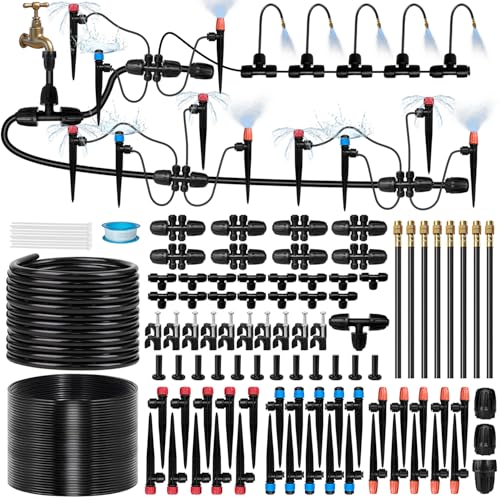
【Upgraded Tube Design & Water Saving】 Our garden watering system is upgraded to 1/2” diameter to support high water pressure. The 1/2” tee connector allows seamless splitting into 2 independent zones for customized watering schedules. By delivering moisture directly to root zones, this drip Irrigation system significantly reduces evaporation and runoff—saving more water compared to conventional sprinklers while eliminating the need for manual watering.
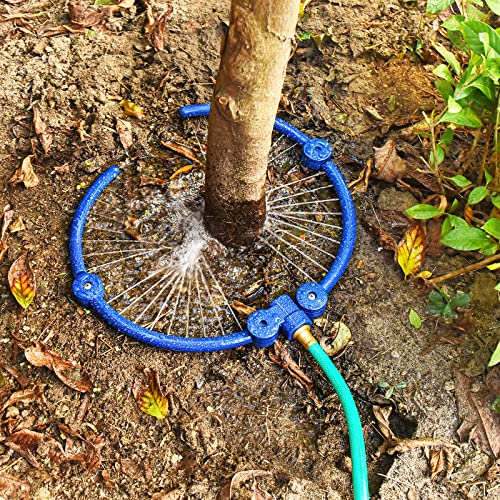
【Specially Designed for Trees and Shrubs】 The Watering Ring is a multi-purpose irrigation ring that attaches to a garden hose to efficiently water young trees shrubs vegetables or flower beds using drip or trickle irrigation.It directs water to the root perimeter of the plant to give them a good start during the first two growing seasons or through periods of drought.

SAVE TIME AND EFFORT: This plant watering kit has everything you need to get started with drip irrigation and precisely water up to ten individual plants. Use the kit to build, expand, or repair a drip irrigation system
Watering Practices for Newly Planted Cherry Trees
Establishing healthy cherry trees in Arlington, TX requires careful attention to watering practices, especially during their initial growth phase. Proper hydration not only supports root development but also helps the trees adapt to the local climate. Understanding the specific needs of newly planted cherry trees is crucial for their long-term success in North Texas.
Newly Planted Trees: Water deeply once a week for the first growing season.
Established Trees: Water every 2-3 weeks, adjusting based on rainfall.
Mulching: Apply a 2-3 inch layer of mulch to retain moisture and suppress weeds.
Cherry Tree Pest and Disease Control Strategies
Managing pests and diseases is crucial for the successful cultivation of cherry trees in Arlington, TX. This section explores effective strategies tailored to North Texas conditions, ensuring that your cherry trees remain healthy and productive. Understanding these control methods will help you protect your investment and enjoy a bountiful harvest.
Cherry trees are susceptible to various pests and diseases. Regular monitoring and proactive management can prevent serious issues. Common pests include aphids and spider mites, while diseases like brown rot can affect fruit quality.
Pest Control Techniques for Cherry Trees
Cherry trees in Arlington, TX, can be vulnerable to various pests that threaten their health and fruit production. Understanding effective pest control techniques is essential for maintaining robust cherry trees in North Texas. This section explores practical strategies to protect these trees from common pests while ensuring a thriving garden.
Regular Inspections: Check for signs of pests or disease weekly.
Natural Predators: Encourage beneficial insects like ladybugs to control aphid populations.
Fungicide Application: Apply fungicides during wet seasons to prevent brown rot.
| Pest/Disease | Symptoms | Control Measures |
|---|---|---|
| Aphids | Curling leaves, sticky residue | Insecticidal soap |
| Brown Rot | Rotting fruit, brown spots | Fungicide sprays |
| Spider Mites | Webbing on leaves | Neem oil |
Cherry Tree Growth Strategies for Arlington
Growing cherry trees in Arlington, TX, presents unique challenges due to the region’s climate and soil conditions. This section explores effective strategies tailored to maximize the success of cherry tree cultivation, ensuring that local gardeners can enjoy these beautiful blossoms and delicious fruits. Understanding the specific needs of cherry trees in North Texas is crucial for thriving growth.
Growing cherry trees in Arlington, TX, is achievable with proper planning and care. Selecting the right variety, preparing the soil, and implementing effective maintenance practices are key to thriving trees. Monitor regularly to ensure healthy growth and fruit production.
