

Growing nectarine trees in Wyoming requires specific strategies due to the state’s high elevation and unique climate conditions. Proper site selection, soil preparation, and frost protection are essential for successful cultivation.
Nectarine Varieties for Wyoming’s Elevation
Choosing the appropriate nectarine variety is crucial for high elevation growth. Varieties that are cold-hardy and adapted to shorter growing seasons are ideal. Look for cultivars that thrive in USDA hardiness zones 4 to 6, as these will better withstand Wyoming’s temperature fluctuations. Popular choices include:
Arctic Jay: Early ripening and cold-resistant.
Fantasia: Known for its sweet flavor and adaptability.
Sunred: Offers good disease resistance and flavor.
| Variety | Hardiness Zone | Ripening Time | Flavor Profile |
|---|---|---|---|
| Arctic Jay | 4-6 | Early | Sweet |
| Fantasia | 5-6 | Mid | Sweet |
| Sunred | 5-6 | Late | Rich |
Soil Preparation for Healthy Nectarine Growth
Preparing the right soil is crucial for successfully growing nectarines in Wyoming’s high elevation. The unique climate and soil conditions require specific amendments and techniques to ensure optimal drainage and nutrient availability. Understanding these soil preparation strategies will set the foundation for healthy, thriving nectarine trees.
Soil preparation is vital for healthy nectarine trees. Start by testing the soil pH, aiming for a range between 6.0 and 7.0. Amend the soil with organic matter such as compost to enhance drainage and nutrient content.
Loamy soil is ideal, as it retains moisture while allowing excess water to drain.
Avoid heavy clay soils that can suffocate roots.
Soil Testing and Amendment Guidelines
Understanding the soil composition is crucial for successfully growing nectarine trees in Wyoming’s high elevations. Soil testing provides valuable insights into nutrient levels and pH balance, enabling you to make informed amendments. This section outlines essential guidelines for assessing and improving your soil to create an optimal environment for your nectarine trees.
Test the soil using a home kit or local extension service.
Add compost to improve texture and nutrient levels.
Incorporate sand if drainage is poor.
Frost Protection Strategies for Nectarine Trees
Nectarine trees can thrive in Wyoming’s high elevation, but protecting them from frost is crucial for successful growth. Understanding effective frost protection strategies will help ensure the health and productivity of these delicate trees, allowing gardeners to enjoy their sweet fruit even in challenging conditions. This section outlines various methods to safeguard nectarines against frost damage.
Frost poses a significant risk to young nectarine trees in Wyoming. Implementing frost protection measures can safeguard your investment.
Cover trees with frost cloths during late spring frosts.
Use mulch around the base to retain soil warmth.
Recommended Products
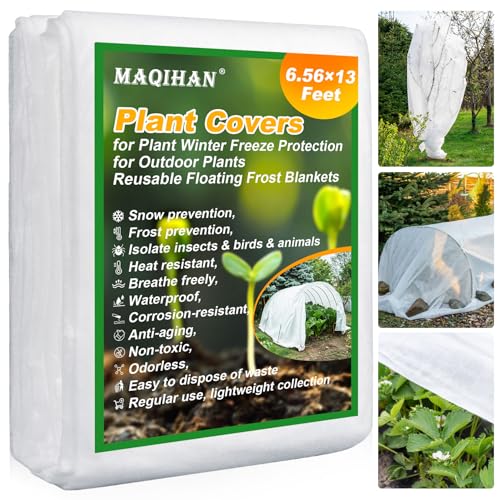
Product Features: Our plant covers are ideal for protecting all plant. Made from premium 1 oz/sq non-woven fabric, their durability and breathability ensuring both insulation against frost and facilitation of sunlight penetration for healthy plant growth
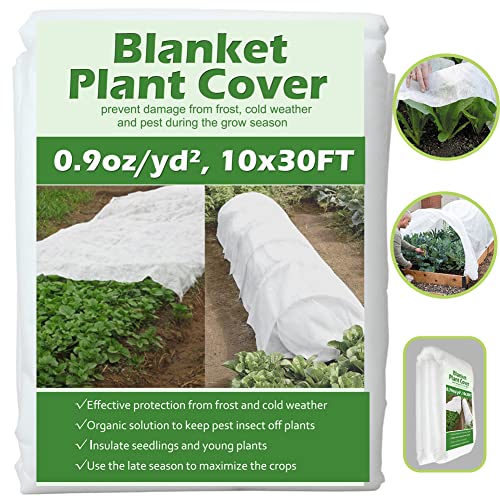
※Big Size to cover large area : The size of our plant cover is 10x30ft, the size can cover large areas. You can cut the plant covers freeze protection into different sizes for different use. You can cover it over the plant such as shrub tomato, pepper, pumpkin, and so on.

THICKER MATERIAL: Our plant freeze protection cover is made of UV stabilized polypropylene. Upgraded thicker 0.9oz./sq.yard lightweight but durable. Soft plant covers are friendly and no harm to your plants. Breathable non-woven fabric allow light, air go through the frost cloths and reach the plants.
Windbreak Installation for Frost Protection
Windbreaks play a crucial role in protecting nectarine trees from harsh winds and frost, especially in Wyoming’s high elevation climate. By strategically placing barriers around your orchard, you can create a microclimate that enhances tree health and fruit production. Understanding the best practices for windbreak installation will help ensure your nectarine trees thrive despite challenging weather conditions.
Install windbreaks to shield trees from cold winds.
Choose elevated planting sites to reduce frost risk.
Nectarine Tree Watering Strategies for High Elevation
Watering nectarine trees in Wyoming’s high elevations requires careful consideration due to the unique climate and soil conditions. Understanding the specific needs of these trees can help ensure their health and productivity, especially in areas where water may be scarce or evaporates quickly. Effective watering strategies are essential for successful growth in this challenging environment.
Watering is essential for the establishment and growth of nectarine trees. High elevation areas often experience variable rainfall, making consistent moisture management critical.
Water deeply once a week during dry spells.
Avoid overwatering, which can lead to root rot.
Nectarine Tree Watering Guidelines
Proper watering is crucial for the successful growth of nectarine trees in Wyoming’s high elevation climate. Understanding the specific moisture needs of these trees can help ensure healthy development and fruit production. This section outlines essential watering guidelines to support your nectarine trees in thriving despite the unique challenges of the region.
| Season | Frequency | Amount per Tree |
|---|---|---|
| Spring | Weekly | 10-15 gallons |
| Summer | Weekly | 15-20 gallons |
| Fall | Bi-weekly | 5-10 gallons |
Nectarine Tree Fertilization Techniques
Proper fertilization is essential for the healthy growth of nectarine trees, especially in the unique climate of Wyoming’s high elevations. Understanding the specific nutrient needs and timing can significantly impact fruit quality and tree vigor. This section explores effective fertilization techniques tailored to the challenges of growing nectarines in this environment.
Fertilization supports healthy growth and fruit production in nectarine trees. Use a balanced fertilizer with a ratio of 10-10-10 or similar.
Apply in early spring before new growth begins.
Follow up with a second application in mid-summer.
Nectarine Tree Fertilization Techniques
Fertilizing nectarine trees is essential for promoting healthy growth and fruit production, especially in Wyoming’s unique high-elevation climate. Understanding the specific nutrient needs and timing for fertilization can significantly impact tree health and yield. This section explores effective techniques tailored for successful nectarine cultivation in challenging conditions.
Spread fertilizer evenly around the tree’s drip line.
Water the area thoroughly after application to activate nutrients.
Pest and Disease Monitoring for Nectarines
Monitoring pests and diseases is crucial for the successful cultivation of nectarine trees in Wyoming’s unique high-elevation environment. With varying temperatures and moisture levels, growers must be vigilant in identifying potential threats to ensure healthy fruit production. This section provides essential strategies for effective pest and disease management tailored to the specific challenges faced in this region.
Regular monitoring for pests and diseases can prevent significant damage to your nectarine trees. Common issues include aphids, spider mites, and brown rot.
Inspect leaves regularly for signs of infestation.
Use organic insecticides if necessary.
Beneficial Insect Promotion Techniques
Promoting beneficial insects is crucial for the successful growth of nectarine trees in Wyoming’s high elevation climate. These insects play a vital role in pollination and pest control, enhancing tree health and fruit yield. Implementing effective techniques to attract and sustain these allies can significantly improve your nectarine orchard’s productivity and resilience.
Encourage beneficial insects like ladybugs.
Remove infected fruit to reduce disease spread.
Nectarine Tree Pruning Techniques for Health
Proper pruning is essential for maintaining the health and productivity of nectarine trees, especially in Wyoming’s unique high-elevation climate. This section explores effective pruning techniques that promote strong growth, enhance fruit quality, and ensure the trees withstand the challenges posed by their environment. Understanding these methods will help growers maximize their nectarine harvests.
Pruning is essential for maintaining the shape and health of nectarine trees. It encourages airflow and sunlight penetration, which are vital for fruit development.
Prune in late winter before new growth starts.
Remove dead or crossing branches to promote a healthy structure.
Nectarine Tree Pruning Strategies for Wyoming
Pruning is a crucial aspect of cultivating healthy nectarine trees in Wyoming’s unique high-elevation environment. Proper techniques not only enhance fruit production but also ensure the trees remain robust against the region’s challenging weather conditions. Understanding the right timing and methods for pruning can significantly impact the overall success of your nectarine harvest.
Identify weak branches and cut them back.
Shape the tree to allow light penetration.
Nectarine Ripeness Indicators for Harvest
Determining the right time to harvest nectarines is crucial for achieving optimal flavor and texture. In Wyoming’s unique high-elevation climate, understanding the indicators of ripeness can help ensure a successful harvest. This section outlines key signs to look for, enabling growers to pick their nectarines at the peak of perfection.
Knowing when to harvest is key to enjoying sweet, juicy nectarines. Monitor fruit color and firmness to determine ripeness.
Harvest when fruit is slightly soft to the touch.
Check for a vibrant color and pleasant aroma.
Nectarine Harvest Techniques for High Elevations
Harvesting nectarines at high elevations requires careful timing and specific techniques to ensure fruit quality. Understanding the unique challenges posed by Wyoming’s climate can enhance your yield and flavor. This section outlines effective strategies for successfully harvesting nectarines in these conditions.
Use pruning shears to avoid damaging the fruit.
Handle fruit gently to prevent bruising.
Proper planning and care will lead to successful growth of nectarine trees in Wyoming’s challenging climate. Implement these strategies to enjoy a fruitful harvest.
