

Growing nectarine trees in pots in Florida is a viable option for gardeners seeking to enjoy fresh fruit in a subtropical climate. With the right care and conditions, these trees can thrive, providing a bountiful harvest.
Best Nectarine Varieties for Florida Pots
Choosing the right nectarine variety is crucial for successful cultivation in Florida’s subtropical climate. Some varieties thrive better in pots, offering both flavorful fruit and manageable growth. This section highlights the best nectarine options suited for container gardening in Florida, ensuring you can enjoy a bountiful harvest.
Choosing the correct nectarine variety is crucial for success in Florida’s subtropical environment. Look for varieties that are adapted to warmer climates and have a low chill hour requirement. Popular options include:
Flavortop: Known for its sweet flavor and low chill hours.
Sunred: Offers a juicy texture and vibrant color.
Arctic Jay: A white-fleshed variety with excellent disease resistance.
Researching local nurseries can provide insights into which varieties perform best in your area.
Recommended Products

Non-GMO Seeds: These nectarine tree seeds are completely natural and non-genetically modified, ensuring you grow authentic, wholesome fruit trees that produce delicious nectarines with traditional flavor and nutritional value for your family to enjoy
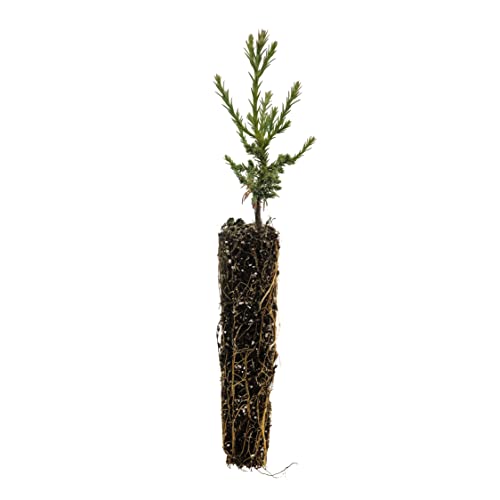
Grow the world’s most massive tree species!

These are ready to plant and should be put in the ground according to the included instructions upon arrival. All pictures are of fully grown plants. Sizes shipped are in the title and description. Deciduous plants do not have leaves in the winter
Potting Mix Components for Nectarine Growth
Choosing the right potting mix is crucial for the successful growth of nectarine trees in Florida’s subtropical climate. The ideal blend not only supports healthy root development but also ensures proper drainage and moisture retention. Understanding the specific components of potting mixes will help you create an optimal environment for your nectarine trees to thrive.
The right potting mix is essential for healthy nectarines. A well-draining mix will prevent root rot and promote growth. Consider the following components:
Potting soil: Use a high-quality, organic potting mix.
Perlite: Adds aeration and drainage.
Compost: Provides nutrients for healthy growth.
A recommended ratio is 2 parts potting soil, 1 part perlite, and 1 part compost. This mix will ensure adequate drainage and nutrient availability.
Pot Size and Drainage for Nectarines
Choosing the right pot size and ensuring proper drainage are crucial for the successful growth of nectarine trees in Florida’s subtropical climate. The right combination not only supports healthy root development but also helps prevent issues such as root rot, making it essential for gardeners to understand these factors for optimal tree health and fruit production.
Selecting an appropriate pot size is vital for root development. A larger pot allows for better growth and stability. Consider the following sizes:
| Pot Size | Recommended Age of Tree | Benefits |
|---|---|---|
| 5 gallons | 1 year | Adequate for initial growth |
| 10 gallons | 2-3 years | Supports larger root systems |
| 15 gallons | 4+ years | Ideal for mature trees |
Ensure that the pot has drainage holes to prevent water accumulation. Using a saucer can help manage excess water.
Recommended Products

Package Contents: 16 x Flowerpot Spacer(4 Different Sizes)
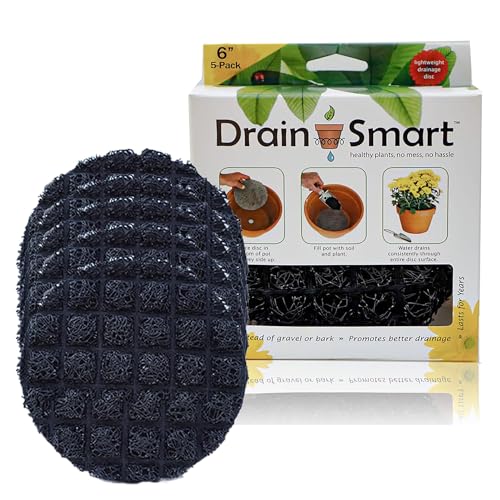
PLANT POT FILLER THAT REPLACES ROCKS & GRAVEL - Skip drainage rocks, gravel, and bark. Drain Smart is a clean, lightweight pot bottom filler that keeps drainage clear without the mess or added weight—so planting, repotting, and cleanup are easier.

Handcrafted Fit: Slight planter–saucer offset or gap is normal and won’t affect use. Simply rotate for the best fit
Sunlight and Temperature Needs for Nectarines
Nectarine trees thrive in Florida’s subtropical climate, but understanding their specific sunlight and temperature requirements is crucial for successful growth. These trees need ample sunlight and warmth to produce juicy fruits, making it essential to create the right conditions in a pot. This section will explore the optimal environmental factors for nurturing nectarines in a container.
Nectarine trees require full sun for optimal growth. Aim for at least 6-8 hours of direct sunlight daily.
Monitor temperature conditions as well. Ideal temperatures for nectarines range from 75°F to 85°F.
Protect trees from extreme heat by providing partial shade during the hottest part of the day.
Use shade cloth if necessary to prevent sunburn on young trees.
Nectarine Tree Watering and Fertilization Guide
Proper watering and fertilization are crucial for the health and productivity of nectarine trees grown in pots, especially in Florida’s subtropical climate. Understanding the specific needs of these trees will help ensure they thrive, producing delicious fruit while adapting to the unique challenges of container gardening. This guide provides essential tips for maintaining optimal moisture levels and nutrient balance.
Establishing a consistent watering schedule is key to maintaining healthy nectarines. Follow these guidelines:
Water deeply once a week, allowing the top inch of soil to dry out between waterings.
Adjust frequency based on rainfall and pot size.
For fertilization, use a balanced fertilizer every 6-8 weeks during the growing season. Look for products specifically formulated for fruit trees to ensure proper nutrient balance.
Nectarine Tree Pest and Disease Solutions
Nectarine trees can thrive in Florida’s subtropical climate, but they are not immune to pests and diseases that can hinder their growth. Understanding the common threats and effective management strategies is essential for maintaining healthy trees and ensuring a fruitful harvest. This section outlines practical solutions to address these challenges and promote the vitality of your nectarine trees.
Pests and diseases can threaten the health of your nectarine trees. Implement the following strategies for effective management:
Regular inspections: Check for signs of pests like aphids and spider mites.
Organic treatments: Use insecticidal soap or neem oil for pest control.
Disease prevention: Ensure good air circulation around the tree and avoid overhead watering.
Monitor trees closely, especially during flowering and fruiting seasons.
Recommended Products

READY-TO-USE CONTACT SPRAY: No mixing required. Thoroughly spray insecticide on all plant parts, including the underside of leaves. Pests must be sprayed directly to achieve control
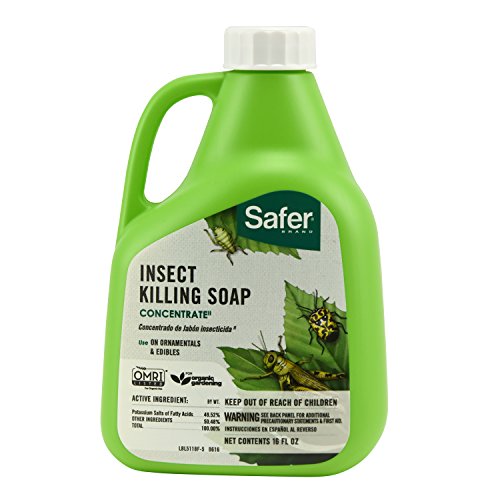
GENTLE ON MOST PLANTS - This aphid spray is ideal for use on flowers, herbs, vegetables, houseplants, lawn, tree, shrubs, and more

CROP, GARDEN & HOUSEPLANT INSECT CONTROL. Trifecta Crop Control all-natural, plant-based formula effectively combats destructive spider mites, aphids, whiteflies, fungus gnats, and other soft-bodied pests on indoor and outdoor plants. Our biodegradable, eco-friendly solution is safe for use on edible crops, without chemical residues. Our gentle yet potent plant spray suffocates and dehydrates pests without harming beneficial insects or the environment, making it ideal for organic gardening.
Nectarine Tree Pruning for Optimal Health
Pruning is a crucial practice for maintaining the health and productivity of nectarine trees, especially when grown in pots in Florida’s subtropical climate. Proper pruning techniques not only enhance air circulation and sunlight exposure but also promote robust fruit development. Understanding the right timing and methods for pruning can significantly impact your tree’s overall vitality and yield.
Pruning is essential for maintaining the shape and health of nectarine trees. Follow these pruning techniques:
Timing: Prune in late winter or early spring before new growth begins.
Remove dead or crossing branches: This encourages airflow and sunlight penetration.
Shape the tree: Aim for an open center to allow light to reach all parts of the tree.
Proper pruning can enhance fruit quality and tree longevity.
Nectarine Harvest Timing and Flavor Indicators
Understanding the timing of nectarines’ harvest and their flavor indicators is crucial for successful cultivation in Florida’s subtropical climate. This section delves into the specific signs to look for when determining ripeness, ensuring that you can enjoy the best flavor and quality from your potted nectarine trees. Knowing when to harvest can make all the difference in your fruit’s taste and texture.
Knowing when to harvest nectarines is crucial for optimal flavor. Look for the following indicators:
Color change: Nectarines should have a vibrant color, indicating ripeness.
Firmness: Gently squeeze the fruit; it should yield slightly to pressure.
Store harvested nectarines in a cool place. For longer storage, consider refrigerating them, but allow them to ripen at room temperature first.
Successful Nectarine Cultivation in Containers
Growing nectarine trees in containers can be a rewarding endeavor, especially in Florida’s subtropical climate. With the right techniques and care, you can achieve fruitful results even in limited space. This section explores effective strategies for successful nectarine cultivation in pots, ensuring your trees thrive throughout the growing season.
Growing nectarine trees in pots in Florida can be rewarding with the right techniques. Focus on variety selection, potting mix, and care practices to ensure success.
