

Mango trees thrive in Los Angeles due to the region’s warm Mediterranean climate. Proper care and specific growing techniques can enhance fruit production and tree health.
Mango Varieties for Los Angeles Gardens
Los Angeles offers a unique climate that supports a variety of mango trees, making it an ideal location for cultivating these tropical fruits. Understanding the specific mango varieties that thrive in this Mediterranean environment can enhance your gardening success and yield delicious results. Explore the best options for your Los Angeles garden to enjoy the rich flavors of homegrown mangoes.
Mango trees come in various varieties, each with unique characteristics. In Los Angeles, the most suitable varieties include Haden, Kent, and Tommy Atkins.
These types are known for their adaptability to local conditions and high-quality fruit. Selecting the right variety is crucial for successful cultivation.
| Mango Variety | Flavor Profile | Ripening Time | Disease Resistance |
|---|---|---|---|
| Haden | Sweet and aromatic | Early summer | Moderate |
| Kent | Sweet and juicy | Mid-summer | High |
| Tommy Atkins | Mild and fibrous | Late summer | High |
Optimal Sun Exposure for Mango Trees
Mango trees thrive in warm, sunny environments, making Los Angeles an ideal location for their growth. Understanding the optimal sun exposure is crucial for ensuring healthy development and fruit production. This section explores the best practices for positioning mango trees to maximize sunlight and enhance their overall vitality in a Mediterranean climate.
Choosing the right location is essential for mango tree growth. They require full sun exposure for at least six hours daily.
The ideal spot should also have well-draining soil to prevent root rot. Avoid areas with heavy shade or waterlogged conditions to ensure healthy growth.
Look for south-facing slopes for maximum sunlight.
Ensure soil pH is between 5.5 and 7.5 for optimal growth.
Consider planting near a wall or fence for additional warmth.
Soil Preparation for Mango Tree Success
Successful mango tree cultivation in Los Angeles begins with proper soil preparation. The right soil conditions are crucial for promoting healthy growth and fruit production in this Mediterranean climate. Understanding the specific requirements for soil composition and drainage will set the foundation for thriving mango trees in your garden.
Soil preparation is critical for establishing mango trees. Start by testing the soil for nutrients and pH levels.
Amend the soil with organic matter to improve drainage and fertility. This step ensures that the tree has the necessary nutrients for robust growth.
Mix compost or well-rotted manure into the planting hole.
Add sand if the soil is too clay-heavy to enhance drainage.
Incorporate slow-release fertilizer to support initial growth.
Recommended Products

🌳 Mango Majesty Unveiled: Elevate your Mango Tree care with Gardenera's meticulously crafted Mango Tree Potting Mix, designed to nurture the growth and bounty of your mangoes.

🌳 Mango Majesty Unveiled: Elevate your Mango Tree care with Gardenera's meticulously crafted Mango Tree Potting Mix, designed to nurture the growth and bounty of your mangoes.

🌳 Mango Majesty Unveiled: Elevate your Mango Tree care with Gardenera's meticulously crafted Mango Tree Potting Mix, designed to nurture the growth and bounty of your mangoes.
Mango Tree Watering and Fertilization Techniques
Proper watering and fertilization are crucial for the health and productivity of mango trees in Los Angeles’ Mediterranean climate. Understanding the specific needs of these trees can significantly enhance their growth and fruit yield. This section delves into effective techniques tailored for optimal care of mango trees in this unique environment.
Mango trees require careful watering and fertilizing to thrive. During the first year, regular watering is necessary to establish roots.
Once established, reduce watering frequency. Fertilizing should occur during the growing season to promote fruit development.
Water deeply but infrequently to encourage deep root growth.
Use a balanced fertilizer every 6-8 weeks during the growing season.
Monitor for signs of nutrient deficiency, such as yellowing leaves.
Recommended Products

CITRUS PLANT FOOD: This avacado, mango and citrus fruit tree fertilizer feeds plants for up to 3 months and nourishes above and below the soil

Comes in 5 lb. bag of granules
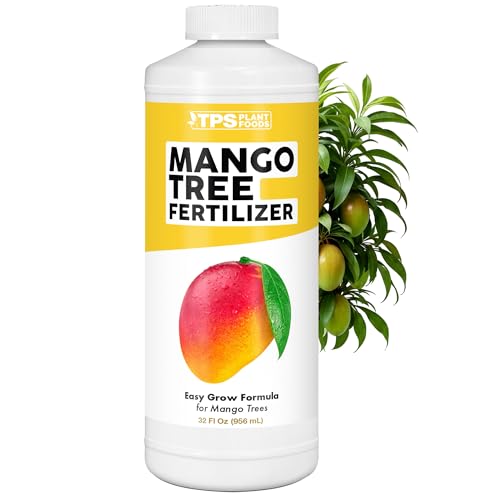
Made for Mango Trees – Formulated to support healthy growth in mango and tropical fruit trees.
Mango Tree Pruning Strategies for Optimal Growth
Regular pruning is vital for maintaining mango tree health and productivity. Pruning helps shape the tree, remove dead or diseased branches, and improve airflow. This practice also encourages better fruit production by allowing sunlight to reach more parts of the tree.
Prune during late winter or early spring before new growth starts.
Remove any suckers or water sprouts to focus energy on fruit-bearing branches.
Thin out crowded branches to improve air circulation.
Mango Tree Pest and Disease Management
Mango trees in Los Angeles thrive in the Mediterranean climate, but they can be vulnerable to various pests and diseases. Effective management strategies are essential to ensure the health and productivity of these trees. Understanding common threats and implementing preventive measures can help maintain vibrant mango orchards in the region.
Mango trees can be susceptible to various pests and diseases. Common issues include fruit flies, scales, and powdery mildew. Regular monitoring and preventive measures are essential for maintaining tree health.
Use insecticidal soap to control pests without harming beneficial insects.
Apply fungicides at the first sign of fungal infections.
Practice crop rotation and remove fallen fruit to reduce pest populations.
Recommended Products

PEST DEFENSE - Insecticidal Super Soap controls species of adelgid, ant, aphid, borer, caterpillar, spider mite, cricket, chinch bug, weevil, fly, thrip, & more.

Insecticidal Super Soap controls species of adelgid, ant, aphid, borer, caterpillar, spider mite, cricket, chinch bug, weevil, fly, thrip, and more

2X MORE VALUE: The 16 oz of Mango Liquid Plant Fertilizer makes 16 gallons of liquid fertilizer, while the bigger size 32 oz bottle makes 32 gallons, ensuring long-lasting care for all mangoes.
Optimal Mango Harvest Timing in Los Angeles
Understanding the optimal timing for mango harvest in Los Angeles is crucial for maximizing fruit quality and yield. With the region’s unique Mediterranean climate, growers can take advantage of specific seasonal patterns to ensure their mangoes reach peak ripeness. This section delves into the best practices and timing strategies for harvesting mangoes in this vibrant urban landscape.
Knowing when to harvest mangoes is crucial for enjoying their best flavor. Mangoes should be picked when they begin to change color and soften slightly. Timing can vary by variety, so monitor closely as the harvest season approaches.
Check for a fruity aroma as a sign of ripeness.
Use pruning shears to cut the fruit, leaving a small stem attached.
Handle harvested mangoes gently to avoid bruising.
Los Angeles Mango Cultivation Techniques
Successful mango cultivation in Los Angeles involves understanding the local climate and specific care techniques. Focus on selecting the right variety, preparing the soil, and implementing proper watering and fertilization strategies. Regular pruning and pest management are also essential for maximizing yield.
Invest in quality soil amendments and fertilizers.
Monitor environmental conditions to adjust care as needed.
Stay informed about local pest outbreaks and seasonal changes.
