

Apricot trees thrive in Baton Rouge, LA, thanks to the region’s warm climate and well-drained soil. Proper care and selection of the right varieties can lead to successful fruit production.
Best Apricot Varieties for Baton Rouge
When selecting apricot varieties for Baton Rouge, it’s essential to consider the local climate and soil conditions. The right choices can lead to a fruitful harvest, ensuring that gardeners can enjoy the sweet rewards of their labor. This section highlights the best apricot varieties suited for the unique environment of Baton Rouge, maximizing your chances of success.
Choosing the right apricot varieties is crucial for success in Baton Rouge. The local climate supports several types, but some perform better than others. Consider these factors when selecting:
Chill hours: Ensure the variety requires fewer chill hours, ideally under 700.
Disease resistance: Select varieties that are known for resistance to common diseases.
Fruit size and flavor: Choose based on personal preference and intended use.
Baton Rouge Apricot Varieties for Success
Baton Rouge’s unique climate and soil conditions create an ideal environment for growing apricot trees. Understanding the specific varieties that thrive in this region can significantly enhance your chances of a fruitful harvest. This section explores the best apricot varieties suited for Baton Rouge, offering insights into their characteristics and care requirements.
The following table lists some suitable apricot varieties for Baton Rouge:
| Variety Name | Chill Hours | Disease Resistance | Flavor Profile |
|---|---|---|---|
| Katy | 300 | Moderate | Sweet |
| Tilton | 500 | High | Tart |
| Moorpark | 700 | Low | Rich |
Site Preparation for Apricot Trees
Preparing the site for apricot trees in Baton Rouge requires careful consideration of local soil conditions and climate. Proper site preparation ensures optimal growth and fruit production, taking into account factors such as drainage, sunlight, and soil pH. Understanding these elements is crucial for successful cultivation in the unique environment of the Deep South.
Proper site preparation is essential for healthy apricot trees. Start by assessing soil quality and drainage.
Apricots prefer sandy loam with good drainage. Follow these steps:
Test soil pH: Aim for a pH between 6.0 and 7.0.
Clear debris: Remove weeds and rocks from the planting area.
Amend soil: Incorporate compost or well-rotted manure to improve fertility.
Recommended Products

Kindly NOTE: This soil tester can not be applied to test pH value of any other liquid. If the soil is too dry the indicator will not move, and water it before testing.

Accurate Soil pH Testing: Dewildetradingco Soil pH Test Strips offer measurements of soil pH levels (pH 3.5-9). As an essential tool for every gardener and grower, these test strips help determine the optimal pH for various plants, such as outdoor plants, indoor plants, gardens, grass lawns, fruit trees, flowers, vegetables, and forest shrubs.

Comprehensive Soil Analysis: Liquid soil test kits offer a comprehensive analysis of essential soil parameters, including pH, ammonia, nitrogen, phosphorus, and potassium. Having all these measurements in one kit provides a holistic understanding of the soil's fertility and health.
Organic Matter for Apricot Soil Health
Healthy apricot trees thrive in Baton Rouge’s unique climate, making soil quality essential for their success. Organic matter plays a crucial role in enhancing soil health, improving nutrient availability, and promoting robust growth. Understanding how to effectively incorporate organic materials can significantly impact the vitality of your apricot trees in this region.
Use organic matter: Enhance soil structure and nutrient content.
Consider raised beds: If drainage is a concern, raised beds can help.
Apricot Tree Planting Best Practices
Planting apricot trees in Baton Rouge requires careful attention to local climate and soil conditions to ensure successful growth. By following specific best practices tailored to the region, gardeners can enhance their chances of cultivating healthy, fruitful trees. This section outlines essential techniques for planting apricot trees that thrive in the unique environment of the Deep South.
Planting apricot trees requires attention to detail. Follow these steps for successful planting:
Dig a hole: Make it twice as wide and as deep as the root ball.
Position the tree: Place the tree in the hole, ensuring the graft union is above soil level.
Backfill: Fill the hole with soil, packing it gently around the roots.
Water thoroughly: Ensure the tree receives adequate moisture after planting.
Apricot Tree Maintenance in Baton Rouge
Maintaining apricot trees in Baton Rouge requires specific attention to the region’s unique climate and soil conditions. Understanding the best practices for watering, pruning, and pest management can significantly enhance the health and productivity of these trees. This section delves into the essential maintenance tips tailored for successful apricot cultivation in the Deep South.
Regular maintenance is vital for healthy growth. Focus on these areas:
Watering: Deep watering is essential, especially during dry spells.
Fertilization: Use a balanced fertilizer in early spring.
Pruning: Thin branches to improve air circulation and sunlight penetration.
Apricot Tree Pest and Disease Solutions
Managing pests and diseases is crucial for the health of apricot trees in Baton Rouge, where the humid climate can foster various challenges. Understanding the specific threats these trees face and implementing effective solutions can ensure a bountiful harvest. This section delves into practical strategies for protecting apricot trees from common pests and diseases in the Deep South.
Pests and diseases can threaten apricot trees. Monitoring and management are key. Identify common issues:
Brown rot: A fungal disease that affects fruit.
Aphids: Small insects that suck sap from leaves.
Recommended Products

STOPS THE PATCHES SPREADING - Brown patch, dollar spot, summer patch and rust start small and move fast in warm, damp weather. Treat at the first discolored ring, not once the lawn thins out.
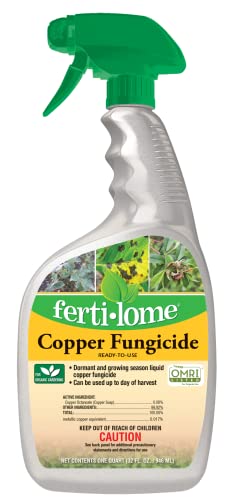
VERSATILE FUNGICIDE - This product fights Needle Blight, Blackspot, Anthracnose, Leaf and Fruit Spot, Cedar Apple Rust, Powdery Mildew, Early and Late Blight on Tomatoes, and Peach Leaf Curl.

CONTAINS: 12.5% Chlorothalonil
Pest Control Techniques for Apricot Trees
Maintaining healthy apricot trees in Baton Rouge requires effective pest control strategies tailored to the region’s unique climate and ecosystem. Understanding the common pests that threaten these trees and implementing targeted management techniques can significantly enhance fruit quality and yield. This section explores proven methods to safeguard your apricot trees from harmful infestations.
| Pest/Disease | Symptoms | Treatment |
|---|---|---|
| Brown rot | Wilting fruit | Remove infected fruit, apply fungicide |
| Aphids | Curling leaves | Spray with insecticidal soap |
Optimal Apricot Harvesting Techniques
In Baton Rouge, the unique climate and soil conditions create an ideal environment for apricot trees, making effective harvesting techniques essential for maximizing yield. Understanding the best practices for timing, tools, and methods can significantly enhance the quality of your apricot crop. This section explores the optimal strategies for harvesting apricots to ensure a successful and fruitful season.
Harvesting apricots at the right time ensures optimal flavor. Look for these signs:
Color change: Fruit should turn a golden hue.
Firmness: Gently squeeze to check ripeness.
Apricot Storage Methods for Freshness
Proper storage methods are crucial for maintaining the freshness of apricots harvested in Baton Rouge, LA. Understanding how to store these delicate fruits can significantly extend their shelf life and preserve their flavor, ensuring that you enjoy their sweet, tangy taste long after picking. This section delves into effective techniques for keeping apricots at their best.
To maintain freshness, follow these storage tips:
Refrigerate: Store in the fridge to extend shelf life.
Avoid moisture: Keep apricots dry to prevent mold.
Baton Rouge Apricot Care Tips
Growing apricot trees in Baton Rouge presents unique challenges and opportunities due to the region’s climate and soil conditions. Understanding the specific care requirements for these trees is essential for successful cultivation. The following tips will help you nurture healthy apricot trees that thrive in the Deep South environment.
Baton Rouge’s climate can be ideal for apricot cultivation with the right care. Monitor trees regularly for signs of stress or disease. Adjust care practices based on seasonal changes and specific tree needs.
Planting apricot trees can be a rewarding experience when proper techniques are applied.
