

Growing mango trees in pots in San Jose, CA is feasible with the right techniques. This article outlines essential tips for successful mango cultivation in Silicon Valley, focusing on pot selection, soil requirements, and care practices.
Choosing the Ideal Pot Size for Mango Trees
Choosing the correct pot is crucial for the health of your mango tree. A pot that is too small will restrict root growth, while one that is too large may retain excess moisture. A 15 to 20-gallon pot is generally ideal for mature mango trees. Ensure the pot has adequate drainage holes to prevent root rot.
| Pot Size | Recommended Tree Age | Drainage Requirement |
|---|---|---|
| 5 gallons | Seedling | Essential |
| 15 gallons | 1-2 years | Essential |
| 20 gallons | 3+ years | Essential |
Use the Right Soil Mix
The soil mix significantly impacts the growth of mango trees in pots. A well-draining soil mix helps prevent water retention, which can lead to root diseases. Use a combination of potting soil, perlite, and sand to create an optimal growing medium. The ideal pH level for mango trees is between 5.5 and 7.5.
Ideal Soil Mix for Potted Mango Trees
Choosing the right soil mix is crucial for the health and productivity of potted mango trees, especially in a climate like San Jose’s. The ideal blend not only supports root development but also ensures proper drainage and nutrient retention. Understanding these soil requirements can significantly enhance your chances of growing a thriving mango tree in a pot.
Potting Soil: Base for nutrients
Perlite: Enhances drainage
Sand: Improves aeration
Optimal Sunlight for Potted Mango Trees
Mango trees thrive in full sunlight, requiring at least 8 hours of direct sunlight daily. Position your potted mango tree in a south-facing area or on a patio that receives ample light. If grown indoors, consider using grow lights to supplement natural light, especially during winter months.
Mango Tree Sunlight Needs in San Jose
Mango trees thrive in bright sunlight, making their placement crucial for successful growth, especially in San Jose’s unique climate. Understanding the specific sunlight requirements for these tropical trees can significantly impact their health and fruit production. This section explores the optimal sunlight conditions needed to cultivate mango trees in pots within the Silicon Valley region.
Full Sun: 8 hours minimum
Supplemental Light: Use grow lights in low-light conditions
Potted Mango Tree Watering Strategies
Proper watering is essential for the health of mango trees in pots. Overwatering can lead to root rot, while underwatering can cause stress. Check the top inch of the soil; if it feels dry, it’s time to water. Use a drip irrigation system or a watering can for controlled watering.
Pot Watering Frequency for Mango Trees
When cultivating mango trees in pots, understanding the right watering frequency is crucial for their growth and fruit production. In San Jose’s climate, the balance between moisture and drainage can significantly impact the health of your tree. This section explores effective watering strategies tailored to the unique conditions of Silicon Valley.
Frequency: Every 1-2 weeks
Method: Water until it drains from the bottom
Signs of Overwatering: Yellowing leaves, wilting
Fertilization Strategies for Potted Mango Trees
Regular fertilization is necessary to provide the nutrients mango trees need. Use a balanced fertilizer with a ratio of 10-10-10 or a specialized fruit tree fertilizer. Apply every 6-8 weeks during the growing season. Avoid fertilizing during the dormant winter months.
Fertilizer Choices for Potted Mango Trees
Selecting the right fertilizer is crucial for the health and productivity of potted mango trees, especially in the unique climate of San Jose, CA. Understanding the specific nutrient needs of these tropical plants can enhance growth and fruiting potential. This section explores the best fertilizer options to ensure your mango trees thrive in their container environment.
Type: Balanced or fruit tree fertilizer
Frequency: Every 6-8 weeks
Dormancy: No fertilization in winter
Managing Pests on Potted Mango Trees
Potted mango trees can thrive in San Jose’s climate, but they are susceptible to various pests that can hinder their growth. Understanding effective pest management strategies is essential for maintaining healthy plants and ensuring a fruitful harvest. This section will explore practical tips for keeping your mango trees pest-free while thriving in their containers.
Pests can pose a significant threat to mango trees. Common pests include aphids, spider mites, and mealybugs.
Regularly inspect your trees for signs of infestation. Use insecticidal soap or neem oil as an organic solution to manage pests effectively.
Recommended Products
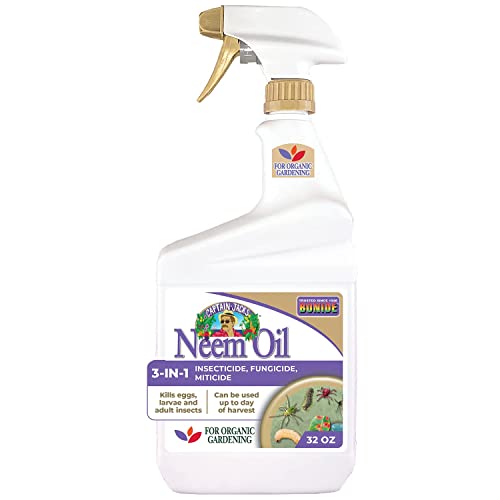
MULTI-PURPOSE BUG KILLER - Bonide Neem Oil is a perfect pest control solution for any garden dealing with mites, flies, mildew, and more. This product is a three-in-one fungicide, miticide, and insecticide.

PLANT DISEASE CONTROL: Natria Neem Oil acts as an insecticide and fungicide in one convenient spray; Ready-to-use trigger sprayer requires no mixing

Protect your oasis with 3 garden products in 1 from Captain Jack’s; Captain Jack’s Ready-to-Use Neem Oil spray for plants is a multi-purpose fungicide, insecticide and miticide for your lawn and garden
Pest Inspection Strategies for Potted Mango Trees
Maintaining the health of potted mango trees in San Jose requires vigilance against pests that can threaten their growth. Effective pest inspection strategies are essential for ensuring these tropical plants thrive in a non-native environment. By implementing targeted approaches, you can safeguard your mango trees and enjoy a fruitful harvest.
Inspection: Regular checks for pests
Treatment: Use insecticidal soap or neem oil
Prevention: Maintain healthy plants to deter pests
Seasonal Care for Potted Mango Trees
San Jose experiences seasonal changes that can impact mango trees. During winter, protect your potted trees from frost by moving them indoors or covering them with frost cloths. In summer, ensure they receive enough water to cope with the heat.
Winter Care for Potted Mango Trees
Caring for potted mango trees during the winter months in San Jose requires special attention to ensure their health and productivity. With the region’s mild climate, understanding the specific needs of these tropical plants can help you navigate the challenges of colder temperatures and limited sunlight. Here are essential tips to keep your mango trees thriving through the winter season.
Winter: Move indoors or cover
Summer: Increase watering frequency
Temperature Monitoring: Keep an eye on extremes
Mango Tree Care Problem Solutions
Caring for mango trees in pots can present unique challenges, especially in the climate of San Jose, CA. This section addresses common problems faced by gardeners in Silicon Valley, offering practical solutions to ensure healthy growth and fruitful harvests. From pest management to optimal watering techniques, these tips will help you nurture your mango trees successfully.
Understanding common issues can help maintain healthy mango trees. Yellowing leaves may indicate overwatering, while leaf drop can signal underwatering or pest problems. Regular monitoring and adjusting care practices can prevent these issues.
| Issue | Symptoms | Solution |
|---|---|---|
| Overwatering | Yellow leaves | Reduce watering frequency |
| Underwatering | Leaf drop | Increase watering frequency |
| Pest Infestation | Wilting, spots | Apply insecticidal soap |
By following these guidelines, you can successfully grow mango trees in pots in San Jose, CA.
