

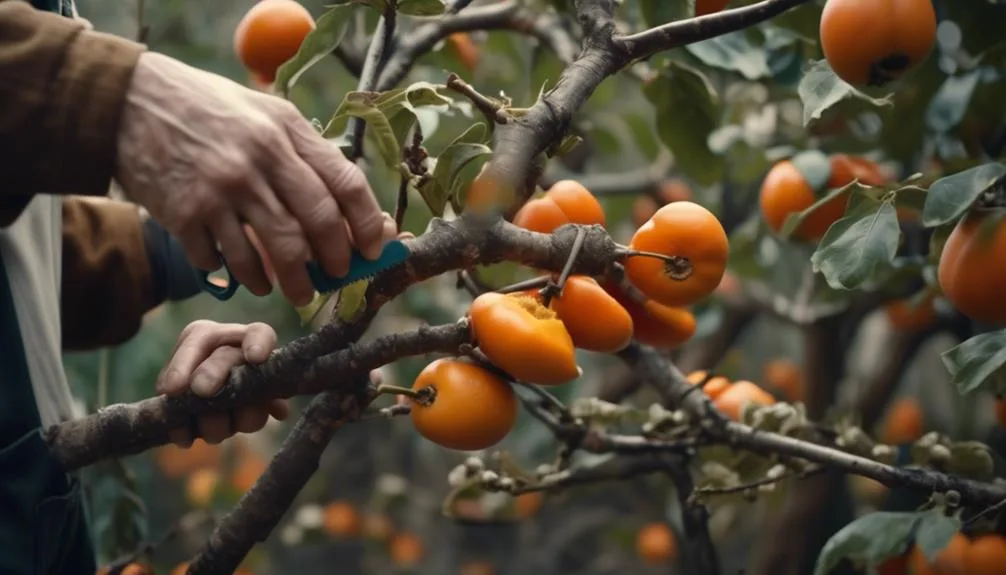
Caring for a persimmon tree may seem like a big task, but it's not as complicated as it sounds. There are a few things you need to keep in mind, like pruning, managing pests, and general upkeep.
It's not too difficult, but it does require some effort. Let's take a closer look at the different aspects of persimmon tree care to see just how much work it really involves.
Key Takeaways
- Pruning and training of persimmon trees is essential for optimal fruit production and maintaining a manageable tree size.
- Proper watering and fertilizing techniques, such as soil testing, drip irrigation, and mulching, help ensure efficient water usage and nutrient supply.
- Integrated pest management strategies, including sanitation, disease-resistant cultivars, and natural pest control methods, can effectively manage pests and diseases.
- Harvesting and thinning of persimmons should be done when fruits are small to improve size and quality, and to control the quantity of fruit produced.
Pruning and Training
To keep your persimmon tree healthy and productive, proper pruning and training are essential.
Pruning benefits your tree by promoting optimal fruit production, maintaining a manageable tree size, and removing diseased or dead branches. When pruning, focus on removing any crossing or crowded branches to allow for better airflow and sunlight penetration.
Training techniques such as shaping the tree when it's young can help establish a strong structure and prevent potential issues as the tree matures. Consider using the central leader or open center training method to encourage a balanced and sturdy tree shape.
Recommended Products

CLEAN CUTS FOR LIVE GROWTH: Bypass blade design is ideal for pruning delicate flower stems and green growth, helping reduce crushing and plant damage while cutting stems and small branches up to 5/8” in diameter

LONG-LASTING SHARPNESS: Japanese SK5 bypass blade with titanium coating is tested through 5,000 cuts to maintain a sharp edge and deliver clean, consistent cuts on live stems and branches

· ULTRA-SHARP SK5 STAINLESS STEEL - Engineered with premium SK5 stainless steel, these heavy duty pruning shears deliver razor-sharp precision and maximum hardness. The rust-resistant blades are designed to stay sharp longer, effortlessly resisting corrosion and sap buildup for smooth, friction-free garden shears performance year after year.
Watering and Fertilizing
Proper watering and fertilizing are crucial for maintaining the health and productivity of your persimmon tree, complementing the benefits of pruning and training. To ensure your tree receives the right care, consider the following:
- Soil Testing: Conduct regular soil testing to identify any nutrient deficiencies that may affect the tree's growth and fruit production.
- Nutrient Deficiencies: Address any nutrient deficiencies by using appropriate fertilizers to provide the necessary elements for the tree's health.
- Drip Irrigation: Implement drip irrigation systems to deliver water directly to the tree's roots, promoting efficient water usage and reducing the risk of diseases caused by overhead watering.
- Mulching Techniques: Utilize mulching techniques to retain soil moisture, regulate soil temperature, and suppress weed growth around the tree.
Pest and Disease Management
Addressing pest and disease management is essential for protecting the health and productivity of your persimmon tree. Integrated pest management (IPM) combines biological, cultural, physical, and chemical strategies to effectively manage pests while minimizing risks to humans and the environment. When it comes to disease prevention strategies, proper sanitation, choosing disease-resistant cultivars, and providing adequate air circulation can greatly reduce the risk of infections. Here's a table summarizing some common persimmon tree pests and diseases, along with corresponding management strategies:
| Pest/Disease | Management Strategies |
|---|---|
| Aphids | Insecticidal soap, ladybugs |
| Scale Insects | Pruning, horticultural oil |
| Leaf Spot Disease | Fungicide, proper watering |
| Root Rot | Well-draining soil, proper watering |
| Persimmon Psylla | Beneficial insects, neem oil |
Recommended Products
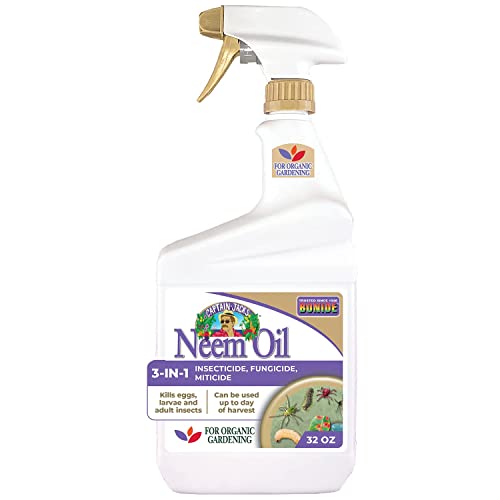
Protect your oasis with 3 garden products in 1 from Captain Jack’s; Bonide Captain Jack’s Ready-to-Use Neem Oil spray for plants is a multi-purpose fungicide, insecticide and miticide for your lawn & garden

FUNGAL DISEASE CONTROL: Prevents and controls black spot on roses, powdery mildew, rust, downy mildew, and other listed fungal diseases when applied on a 7–14 day schedule

Gentle Plant Wash Made with Neem Oil & Peppermint Oil
Harvesting and Thinning
When it's time to harvest your persimmons, it's important to ensure proper thinning of the fruit to promote healthy growth and development. Here's what you need to consider:
- Fruit Quality: Thinning helps improve the size and quality of the remaining fruit. By removing excess fruit, the tree can direct more energy into the remaining fruits, leading to better flavor and texture.
- Market Demand: Thinning also allows you to control the quantity of persimmons produced. This can be important if you're growing persimmons for commercial purposes and need to meet specific market demands for size and ripeness.
- Timing: Thinning should be done when the fruits are still small, usually in the early summer. This allows the tree to adjust and focus its resources on the remaining fruit.
- Technique: Gently twist or clip off excess fruit, leaving the strongest ones to mature. Avoid damaging the stems or causing unnecessary stress to the tree.
General Maintenance
To maintain the health and productivity of your persimmon tree, regular and attentive care is essential.
Start by conducting a soil test to determine the pH level and nutrient content. This will help you make necessary soil amendments to ensure optimal growth.
Persimmon trees thrive in full sun, so ensure they receive adequate sunlight. Additionally, consider sheltering young trees from strong winds to prevent damage to their delicate branches.
Regular pruning is vital to remove dead or diseased branches and shape the tree for better fruit production.
Keep an eye out for signs of pests and diseases, and take prompt action to mitigate any issues.
Conclusion
Caring for a persimmon tree requires some effort, but the rewards are worth it. By pruning, watering, and managing pests, you can ensure a healthy tree and a bountiful harvest.
Stay vigilant for pests and diseases, and adjust fruit production as needed.
With dedication, your persimmon tree will flourish, providing delicious fruit for years to come.
