

Ever wondered why your tree pruner just isn’t cutting it like it used to? Picture this: you’re out in the garden, ready to tackle those overgrown branches, but your pruner seems to be struggling. Frustrating, right?
You deserve a tree pruner that slices through branches like butter, making your gardening tasks a breeze. In this article, you’ll discover the secrets to sharpening your tree pruner like a pro.
Assessing the Blade Condition
To sharpen your tree pruner effectively, start by examining the blade condition.
- Inspect the Blade: Check for nicks or damage along the cutting edge.
- Rust Check: Look for any signs of rust that may affect the blade’s sharpness.
- Blade Alignment: Ensure the blades are properly aligned for an efficient cutting motion.
- Clean the Blade: Remove any resin or debris that could hinder the sharpening process.
Regular assessments will help maintain your tree pruner’s performance.
Recommended Products

VERSATILE – The most versatile sharpener in the market to sharpen and hone both single and double beveled blades including knife, mower blade, pruner, loppers, hedge shears, axe, machete, hatchet, scissors, edged tool, etc.

Durable tungsten carbide blade: This tungsten carbide sharpener is widely used for quickly sharpening or repairing damaged blades. It is particularly common in gardening, where it can be employed to hone nearly all types of garden tools.
Gathering the Necessary Tools
When sharpening your tree pruner, it’s essential to have the right tools on hand for a smooth process. Here are the tools you’ll need:
- Sharpening stone: Use a quality sharpening stone to sharpen the blade effectively.
- Lubricating oil: Keep the blades lubricated for smoother sharpening.
- Cleaning brush: Remove debris and sap from the blades before sharpening.
- Safety gloves: Protect your hands while handling the sharp blades.
- Cloth: Wipe the blades clean after sharpening for optimal performance.
Having these tools ready ensures a successful sharpening process for your tree pruner.
Recommended Products

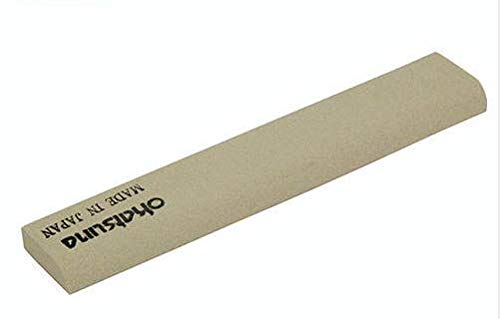
This combination knife sharpener stone has a dual side sharpening system, one side with 100 grit stone for repairing cutting edges and 280 grit stone for sharpening and maintaining razor sharp edges on knives and tools
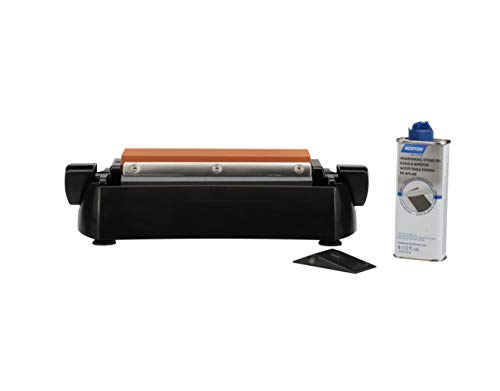
Protect your investment in quality knives with this IM200 Tool and Knife Sharpening Stone Set with 3 oil stones, including: 100 Grit Oil Stone made of Silicon Carbide for Repairing; 150 Grit Oil Stone made of Silicon Carbide for sharpening and maintaining edges and 320 Grit Oil Stone made of Aluminum Oxide for honing cutting edges

Made in United States
Cleaning the Pruner
When it comes to maintaining a tree pruner, cleaning it regularly is crucial. Here’s what you need to know:
- Why: Cleaning removes resin, sap, and debris, preventing blade dullness and ensuring efficient cuts.
- How:
- Step 1: Use a cleaning brush to remove any debris stuck on the pruner.
- Step 2: Dampen a cloth with water and mild soap to wipe down the blades.
- Step 3: Dry the pruner thoroughly to prevent rust.
After cleaning, store your pruner in a dry place to prolong its lifespan.
Sharpening the Blade
To sharpen the blade of your tree pruner, follow these steps:
- Step 1: Secure the pruner blade in a vise to keep it stable.
- Step 2: Use a flat file to sharpen the cutting edge at the same angle as the original bevel.
- Step 3: Push the file away from you along the blade’s edge in smooth strokes.
- Step 4: Maintain consistent pressure while filing to achieve a sharp edge.
- Step 5: Check the sharpness by lightly running your finger along the blade.
Remember, regular sharpening ensures clean cuts and extends the life of your tree pruner.
Recommended Products

Wide Sharpening Application: The mini blade sharpener stone fit for pocket knives, pruners, hedge shears, axe, hatchets, machetes, various of garden tools, Also ideal for home cooks and cooking enthusiasts and other small tools. Enhancing sharpening efficiency.

Pay Attention: Tool only, no battery! This pruning shears is only compatible with Milwaukee 18V batteries.
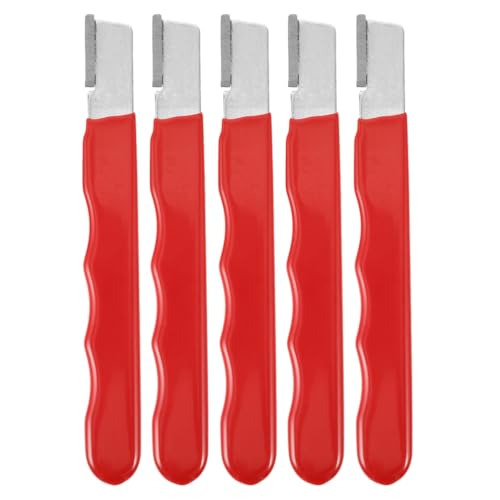
Quick Sharpening: Restores blade sharpness in seconds, ensuring your kitchen knives and garden tools like pruning shears are always ready for precise and efficient cutting tasks
Testing the Pruner
After sharpening your tree pruner blade, it’s time to test its effectiveness.
Here’s how you can do it:
- Make a few practice cuts on a sturdy branch, ensuring the blade goes through smoothly.
- Evaluate the cut results – a well-sharpened blade should make clean and effortless cuts.
- Check for any tearing or crushing of the branch fibers, which can indicate the blade needs further sharpening.
Test your pruner regularly to ensure it’s always in optimum cutting condition.
Conclusion
Now that you’ve learned the importance of maintaining a sharp tree pruner blade, you’re all set to keep your tool in top condition. By following the simple steps outlined in this guide, you can ensure that your pruner is always ready for clean and efficient cuts. Remember, regular sharpening is key to achieving the best results and prolonging the life of your tree pruner. Test your pruner after sharpening to guarantee smooth cutting and watch out for any signs that may indicate the need for further sharpening. With these tips in mind, you’ll be well-equipped to tackle your pruning tasks with ease and precision. Happy pruning!
Frequently Asked Questions
Why is it important to clean and sharpen a tree pruner regularly?
Regular cleaning and sharpening are crucial to maintain the pruner’s efficiency, achieve clean cuts, and extend its lifespan.
How can I sharpen a tree pruner blade effectively?
Secure the blade in a vise, use a flat file to sharpen the cutting edge, maintain consistent pressure while filing, and check sharpness by running a finger along the blade.
Why is regular sharpening necessary for a tree pruner?
Regular sharpening ensures clean cuts, smooth cutting, and prevents tearing or crushing of branch fibers, thereby extending the pruner’s life.
How can I test the pruner after sharpening?
Make practice cuts on a sturdy branch, evaluate cut results for cleanliness and ease, and check for any tearing or crushing of branch fibers that may indicate the need for further sharpening.
Why is regular testing important for a tree pruner?
Regular testing helps to keep the pruner in optimal cutting condition, ensuring efficient performance and prolonging its lifespan.
