

Have you ever planted a young fruit tree only to watch it struggle against strong winds or heavy rain? It can be frustrating to see your hard work at risk. Staking your tree properly can make all the difference in helping it grow strong and healthy.
Key Takeaways
- Importance of Staking: Staking provides essential stability and support for young fruit trees against harsh weather conditions and promotes healthy growth.
- Selection of Materials: Choose sturdy stakes (wooden, metal, or composite) and soft ties (cloth straps, rubber ties) to ensure proper support without damaging the tree.
- Step-by-Step Staking Guide: Properly position the stake, use appropriate tying methods, and ensure regular monitoring to support healthy trunk development.
- Maintenance is Key: Regularly check ties and stakes for tightness and alignment to maintain tree stability and health, making adjustments as needed.
- Signs for Unstaking: Look for a trunk diameter of at least 1 inch and visible root expansion to determine the right time to gradually remove staking support for sustainable growth.
Understanding The Importance Of Staking
Staking young fruit trees plays a crucial role in their development and stability. Proper support protects them from harsh weather while promoting healthy growth.
Benefits Of Staking Young Fruit Trees
- Stability: Staking provides essential support for young trees against strong winds and heavy rain.
- Root Development: Staking encourages robust root growth by reducing movement in the soil.
- Straight Growth: Staking keeps your tree upright, promoting a straight trunk and healthy canopy.
- Stress Reduction: It limits stress on the tree during its critical growth phase, enhancing overall vitality.
- Immediately After Planting: Stake young trees right after planting to ensure prompt support.
- During Adverse Weather: Assess weather conditions; stake if strong winds or heavy rain threaten stability.
- Until Established: Maintain support for at least one growing season, or until the tree establishes a strong root system.
Staking is a simple yet effective way to ensure your young fruit trees thrive under challenging conditions.
Choosing The Right Materials
Selecting the right materials for staking a young fruit tree is essential for providing adequate support and ensuring healthy growth. You’ll need to consider both the stakes and the tie materials to achieve the best results.
Recommended Products

Perfect Tree Staking Kit: Our tree stake straight kits set includes 3 PCS tree strap ties for staking, 3 PCS steel tree stakes, and a 31.2 feet length rope for anchoring. Detailed instructions are included in the product packaging. This is a complete kit that you don't need to buy any other related accessories.

MADE FROM 65% RECYCLED PLASTIC: Reusable so you can reduce waste; supports the move toward a sustainable future

14 PCS TREE STRAPS FOR STAKING — VALUE PACK — This tree staking kit includes 14 heavy duty tree ties, enough to stake 4–7 young trees at once (use 2–3 tree straps per tree). Each tree stake strap measures 15.8 inches long × 1.5 inches wide, the ideal size for saplings, fruit trees, newly planted ornamentals, and shrubs in your yard, orchard, or nursery.
Types Of Stakes To Use
- Wooden Stakes: Choose sturdy, untreated wooden stakes, around 6 to 8 feet tall. Cedar or oak works well, as they resist decay. Insert the stake 2 to 3 feet into the ground for stability.
- Metal Stakes: Use galvanized or stainless steel stakes for durability. These stakes often come in various lengths, so select one that is 5 to 7 feet tall for young trees.
- Composite Stakes: Opt for composite materials that combine strength and light weight. These stakes resist rot and can be cut to your desired height.
- Soft Cloth Straps: Soft cloth or cotton straps prevent damage to the tree bark. Wrap them around the tree and stake, leaving some slack for movement as the tree grows.
- Rubber Ties: Use rubber ties or bungee cords for flexibility. These materials provide gentle support while allowing the trunk to sway slightly, which strengthens it.
- Twine: Choose natural fiber twine, such as jute or hemp. Twine is biodegradable and will break down over time, reducing the need for removal once the tree stands independently.
- Garden Velcro: This adjustable option allows easy attachment and detachment. Use it to secure the tree without restricting its growth or damaging the bark.
Selecting the right stakes and ties ensures your young fruit tree receives the proper support for growth and development.
Step-By-Step Guide To Staking
Staking a young fruit tree requires careful planning and execution. Follow these steps for successful staking.
Recommended Products

Protect Young Trees from Bad Weather: Tree stake kits are typically used when planting young trees, particularly those with small or shallow root systems, in order to provide support and promote healthy growth. Young trees are more susceptible to wind damage than mature trees, FCENDS tree stake kit can help to support the tree and prevent it from leaning or tipping over in high winds.
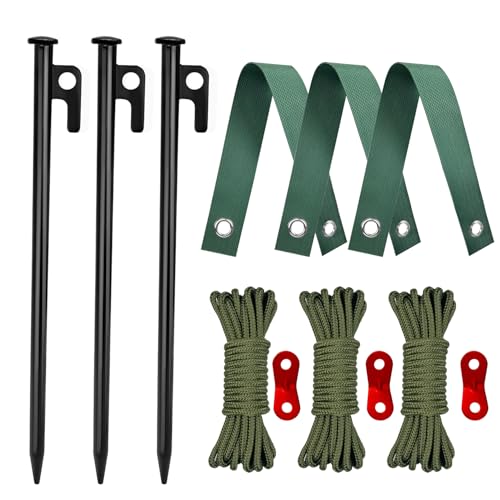
【Value Package】Package comes with 3pcs tree stakes,3pcs tree straps for staking and 3pcs ropes (each 13ft) with 3pcs aluminium tensioners. Complete tree stake kit enable your saplings to grow straight and healthy even in windy conditions

What You Get: Our tree stakes kits includes 3PCS 12-inch steel tree stakes,3PCS 15.8-inch tree strap and 1PCS 32.8-feet anchor ropes, the tree straightening kit are perfect for both large and young trees. There are no extra other related accessories to buy.
Preparing The Site
- Choose the right location. Select an area with good drainage and sufficient sunlight for your fruit tree.
- Clear debris. Remove rocks, weeds, and any other obstacles from the planting site to avoid interference with roots.
- Dig a hole. Create a hole for the tree that’s twice as wide as the root ball and deep enough to accommodate it without bending the roots.
Properly Positioning The Stake
- Select a stake. Use a sturdy untreated wooden stake, a durable metal stake, or a lightweight composite stake. Ensure it’s at least 6 to 8 feet tall for adequate support.
- Drive the stake into the ground. Position the stake 6 to 12 inches away from the trunk, ideally on the windward side to provide the most support against wind.
- Ensure stability. Drive the stake deep enough so it stands firm and doesn’t wobble under pressure.
- Use appropriate tie materials. Choose soft cloth straps, rubber ties, natural fiber twine, or adjustable garden Velcro to avoid damaging the tree’s bark.
- Create a figure-eight shape. Tie the tree to the stake in a figure-eight pattern, allowing some movement to promote strong trunk development.
- Adjust the tension. Ensure the tie is snug but not too tight. The tree needs to sway slightly for healthy growth without excessive stress.
- Monitor regularly. Check the ties every few weeks to adjust for growth and prevent girdling.
By following these steps, your young fruit tree gets the support it needs to thrive in its early years.
Maintaining Staked Trees
Maintaining staked trees is essential to promote healthy growth and ensure they thrive. Regular attention helps the young fruit tree develop properly and maintain stability.
Recommended Products

Everything You Need is Included - Steel tree stake kits includes 3 steel stakes (11.8 inch), 3 straps (15.75 inch), and 3 ropes (13.12 FT) for anchoring. The diameter 4mm ropes come with aluminium tensioners for quick set up. Strong metal stakes without the worry of breaking in half or bending like plastic stakes, enough to hold the tree firmly. The straps are wide enough to spread the load so there's little chance that it will damage the bark or constrict the tree in any way

【Premium & Soft Material】- Made of high-quality vinyl material, the outdoor 150ft 1/2" wide green ties are durable, sturdy, and soft enough. It will not harm plants fragile stems or branches and make them grow in the right direction.
Regular Checks And Adjustments
Regularly check the stakes, ties, and overall condition of the tree. Inspect every 2-4 weeks, especially during windy or stormy weather. Make adjustments as needed to avoid damage.
- Tightness: Ensure ties aren’t too tight, as they can cut into the bark.
- Alignment: Keep the tree straight by adjusting ties or repositioning stakes if necessary.
- Support: Replace damaged stakes to ensure ongoing stability.
Consistent monitoring fosters strong growth and establishes a sturdy base.
Signs That The Tree Is Ready To Be Unstaked
Unstaking too early can shock the tree, while leaving it staked for too long can hinder its natural growth. Look for these signs to determine when it’s time to remove the stakes:
- Trunk Thickness: A trunk diameter of at least 1 inch typically indicates strength.
- Root Development: Roots should expand into the surrounding soil rather than remaining tightly bound.
- Natural Growth: Observe the tree for vertical growth without leaning.
When you see these signs, gradually reduce staking support until the tree stands freely. This approach helps the tree adapt and strengthens its foundation for sustainable growth.
Conclusion
Staking your young fruit tree is a vital step in ensuring its healthy growth. By providing the right support you help it withstand harsh weather and develop a strong foundation. Remember to choose the appropriate materials and regularly check the stakes and ties to keep everything in good shape.
As your tree begins to thrive and shows signs of being ready to stand on its own, gradually reduce the support. This will help it adapt and strengthen its roots for a fruitful future. With a little care and attention your young fruit tree will grow into a robust and productive addition to your garden. Happy planting!
Frequently Asked Questions
Why is staking important for young fruit trees?
Staking is crucial for young fruit trees as it provides necessary support against strong winds and heavy rain. It helps establish a straight trunk, promotes healthy root growth, and reduces stress during their formative growth phase, enabling the tree to thrive.
When should I stake my young fruit tree?
Staking should occur immediately after planting, during unfavorable weather conditions, and maintained until the tree becomes established. Regular monitoring ensures that the tree receives adequate support through its critical growth period.
What materials are best for staking a young fruit tree?
The best materials for staking include sturdy untreated wooden stakes, durable metal stakes, or lightweight composite stakes. For ties, consider using soft cloth straps, rubber ties, natural fiber twine, or adjustable garden Velcro to avoid damaging the tree.
How do I properly stake a young fruit tree?
Prepare the site with good drainage and sunlight, then dig a hole for the tree. Position the stake on the windward side, use your chosen ties, create a figure-eight shape for flexibility, and check the tension frequently as the tree grows.
How often should I check my staked fruit trees?
Regular checks should be conducted every 2-4 weeks, particularly during windy or stormy weather. Inspect the stakes and ties to ensure the tree remains well-supported, and adjust or replace damaged materials as necessary.
How do I know when to unstake my fruit tree?
Signs to look for include a trunk diameter of at least 1 inch, visible root development, and vertical growth without leaning. Gradually reducing staking support when these signs are present helps the tree strengthen its foundation for sustainable growth.
