

Have you ever wondered how long it takes for olive trees to start producing fruit? If you’re thinking about planting these beautiful trees, you’re not alone. Many gardeners are eager to enjoy the delicious olives they’ve heard so much about, but the wait can be a bit confusing.
Understanding the timeline for olive trees to bear fruit can save you time and help manage your expectations. This article will guide you through the factors that influence fruiting, from the tree’s age to the growing conditions. You’ll gain insights that can help you nurture your olive trees effectively and enjoy a bountiful harvest sooner than you think.
Key Takeaways
- Fruiting Timeline: Olive trees typically begin to bear fruit between three to five years after planting, with some varieties taking up to ten years to produce significant yields.
- Influencing Factors: Key factors that impact fruit production include the tree’s age, variety, growing conditions (sunlight, soil quality), and proper watering practices.
- Optimal Conditions: Olive trees need full sun (six to eight hours daily), well-drained sandy loam soil, and consistent moisture during their early years to thrive and fruit effectively.
- Pollination Benefits: While many olive varieties self-pollinate, planting different varieties nearby can significantly enhance fruiting potential and yield.
- Ongoing Care: Regular annual pruning, appropriate fertilization, and pest monitoring are crucial practices to support healthy growth and increase fruit production.
Understanding Olive Trees
Olive trees, native to the Mediterranean region, thrive in warm climates. Understanding their biology is crucial for successful cultivation.
Key Factors Influencing Fruiting
- Age of the Tree: Olive trees typically start producing fruit between three and five years after planting. Some varieties may take longer, up to ten years, to reach maturity.
- Growing Conditions: Proper sunlight is essential. Olive trees require full sun, ideally six to eight hours daily. Good drainage is also crucial; they don’t tolerate standing water.
- Soil Quality: Well-drained, sandy loam soil promotes healthy growth. Testing soil pH is beneficial, as olive trees prefer slightly alkaline conditions (pH 7-8).
- Watering: After establishment, olive trees are drought-resistant. However, consistent moisture during the first few years supports fruit production. Aim for deep watering every two weeks, especially in dry spells.
Typical Fruiting Timeline
- Planting: Begin with nursery-bought, healthy saplings.
- Years 1-2: Focus on care and maintenance. Poor conditions can delay fruiting.
- Year 3: Expect your first flowers. Pollination is key for fruit development.
- Years 4-10: Regular pruning and fertilization optimize growth, leading to increased fruit yields.
Pollination
Most olive trees self-pollinate, but cross-pollination boosts fruiting potential. Planting different varieties nearby can enhance yield.
- Prune Annually: Maintain tree shape and remove dead or diseased wood to promote airflow.
- Fertilize Wisely: Use balanced fertilizers in early spring. Organic options like compost enrich soil without chemical buildup.
- Monitor Pests: Check for common olive pests, such as the olive fruit fly and scale insects. Early detection prevents larger issues.
By understanding olive trees and their needs, you set the stage for a fruitful harvest. Nurturing them through proper care ensures that you enjoy olives in your garden for years to come.
Factors Affecting Olive Tree Fruiting
Several factors influence how quickly olive trees bear fruit, ranging from the tree’s characteristics to its growing environment.
Age of the Tree
Olive trees typically begin to produce fruit between three to five years after planting. Young trees need time to establish strong roots and foliage. The initial fruit yield may be low, with gradual increases in production as the tree matures. Most trees achieve significant fruit production by the age of seven to ten years.
Variety of Olive Tree
Different olive tree varieties affect fruiting timelines. Some varieties, like ‘Mission,’ mature sooner, while others, such as ‘Manzanilla,’ may take longer. Research specific varieties to determine their typical fruiting age and characteristics. Choosing the right variety for your climate can enhance fruit yield and health.
Growing Conditions
Optimal growing conditions play a crucial role in fruiting. Ensure your olive trees receive full sunlight, ideally six to eight hours per day. Well-drained soil with good nutrients promotes healthy growth. Regular watering, especially during dry periods, encourages fruit development. Monitor temperature ranges; olive trees thrive in warm climates, generally between 60°F to 80°F. Poor conditions can delay or reduce fruiting, so nurturing your trees is essential.
Timeline for Olive Tree Fruiting
Understanding the timeline for olive trees to bear fruit helps you nurture them effectively. Here’s a breakdown of the key phases in fruiting.
Initial Growth Phase
During the initial growth phase, olive trees focus on establishing strong roots and healthy foliage. You can expect young trees to start producing flowers between three to five years after planting. Water them adequately and ensure they get at least six hours of sunlight each day. This foundation plays a crucial role in future fruit production.
Maturation Phase
In the maturation phase, olive trees transition from flowering to fruiting. By the four to ten-year mark, trees generally produce a meaningful yield. Varieties like ‘Mission’ may fruit earlier, while others like ‘Manzanilla’ take longer. Providing proper care through pruning and fertilization enhances this process, speeding up fruit development.
Expected Harvest Time
You can anticipate your first harvest around the four to five-year mark, depending on the variety and care provided. Full yields often arrive by years seven to ten. Regular monitoring of soil moisture and avoiding over-fertilization greatly impacts the health and productivity of your trees. Harvest olives when they change color, indicating ripeness.
Tips for Encouraging Fruiting
To increase the chances of your olive trees producing fruit, follow these practical tips:
Recommended Products

Made for Olive Trees - This olive tree fertilizer is formulated specifically to support healthy growth and long-term vitality in olive trees.
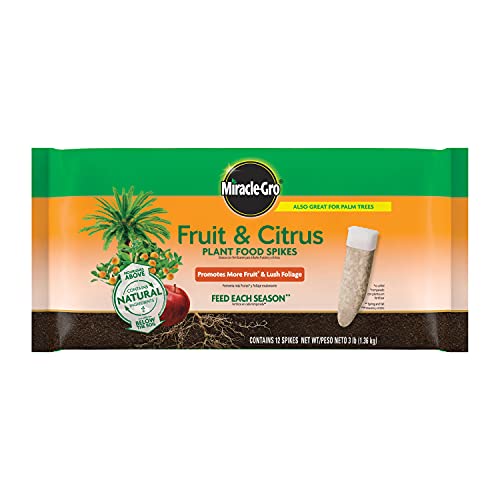
FORMULATED FOR CITRUS AND FRUIT TREES: Use these citrus fertilizer spikes on apple, orange, lemon, lime, and avocado trees; this formula is also great for feeding palm trees

Choose the Right Variety
- Select a variety suited for your climate. Varieties like ‘Arbequina’ thrive in warmer regions, while ‘Manzanilla’ suits milder climates.
Ensure Proper Planting
- Plant your trees in well-drained, nutrient-rich soil. Aim for a pH level between 6 and 8. Test the soil before planting to confirm these conditions.
Provide Adequate Sunlight
- Position your trees where they’ll receive full sunlight. Aim for at least six to eight hours of direct sunlight daily for optimal growth.
Monitor Watering Practices
- Water deeply but infrequently. During the growing season, apply water once a week, adjusting for rainfall. Allow the top 1-2 inches of soil to dry out between waterings.
Fertilize Wisely
- Use a balanced fertilizer during the growing season. Apply the fertilizer in spring, following package instructions. Avoid over-fertilizing, which can lead to excess foliage rather than fruit.
Conduct Annual Pruning
- Prune your olive trees annually to improve air circulation. Focus on removing dead or crossing branches. This promotes healthier growth and better fruit production.
Support Pollination
- If possible, plant multiple varieties nearby to enhance pollination. Even self-pollinating trees benefit from cross-pollination, leading to better fruit yields.
Monitor for Pests and Diseases
- Regularly inspect your trees for signs of pests or diseases. Use organic pesticides when necessary and ensure proper spacing to minimize disease spread.
- Be mindful of temperature changes. Olive trees thrive in temperatures between 60°F and 80°F. Protect them from frost, especially young trees.
Implementing these strategies helps ensure your olive trees flourish and produce fruit more effectively.
Conclusion
Growing olive trees can be a rewarding journey. With a bit of patience and care you’ll see your trees flourish and eventually bear fruit. Remember that every tree is unique and factors like variety and growing conditions play a big role in how soon you’ll enjoy those delicious olives.
By following the tips shared in this post and staying attentive to your trees’ needs you can create the perfect environment for them to thrive. Enjoy the process and look forward to the day when you can harvest your very own olives. Happy gardening!
Frequently Asked Questions
When do olive trees start producing fruit?
Olive trees typically start producing fruit between three to five years after planting. Most trees reach significant yields by seven to ten years.
What factors influence olive tree fruiting?
Key factors include the tree’s age, variety, growing conditions, pollination, and care. Adequate sunlight, well-drained soil, and regular maintenance are crucial for fruit production.
Do olive trees need cross-pollination to produce fruit?
Most olive trees are self-pollinating, but cross-pollination can enhance fruiting potential and increase the yield.
How can I encourage my olive tree to produce fruit?
To encourage fruiting, choose the right variety, plant in nutrient-rich soil, ensure full sunlight, and conduct annual pruning. Regularly water and monitor for pests.
What is the fruiting timeline for olive trees?
The typical fruiting timeline involves flowering by years three to five, the first harvest around four to five years, and full yields by years seven to ten.
How can I care for my olive tree to ensure healthy growth?
Provide adequate sunlight, water appropriately, use balanced fertilizers, and monitor soil moisture. Conduct annual pruning and protect against pests and diseases.
