

Ever wondered what to do with those cantaloupe seeds after enjoying the juicy fruit? Do you find yourself throwing them away, not realizing their potential? Picture this: a simple and often overlooked kitchen ingredient that can be transformed into a crunchy and flavorful snack. Yes, we’re talking about cantaloupe seeds!
In this article, you’ll discover a quick and easy way to roast cantaloupe seeds at home. Not only will you reduce food waste, but you’ll also create a delicious treat that’s perfect for snacking or adding to salads. Say goodbye to tossing out those nutritious seeds and hello to a new favorite snack! Get ready to elevate your culinary skills with this simple roasting technique.
Key Takeaways
- Roasting cantaloupe seeds is a great way to reduce food waste and create a delicious, nutritious snack.
- Cantaloupe seeds are rich in protein, healthy fats, fiber, and essential minerals like magnesium, potassium, and iron.
- Roasted cantaloupe seeds offer a unique flavor profile compared to other popular seeds like pumpkin or sunflower seeds.
- To prepare cantaloupe seeds for roasting, clean them thoroughly and dry them before adding seasonings for flavor.
- You can roast cantaloupe seeds in the oven by seasoning them and baking until golden brown or pan-roast them on the stovetop for a quick crunchy snack.
- Incorporate roasted cantaloupe seeds into salads or homemade trail mixes for added texture, flavor, and nutrients.
Health Benefits of Roasting Cantaloupe Seeds
Cantaloupe seeds offer more than just a crunchy snack; they are packed with essential nutrients that can benefit your health. Here’s why roasting cantaloupe seeds can be a nutritious addition to your diet:
Nutritional Value
Roasted cantaloupe seeds are rich in protein, healthy fats, and fiber. They also contain essential minerals like magnesium, potassium, and iron. These nutrients support various bodily functions such as muscle function, heart health, and energy production.
Comparison to Other Seeds
When compared to other popular seeds like pumpkin or sunflower seeds, roasted cantaloupe seeds stand out for their unique flavor profile and nutritional content. While all these seeds provide beneficial nutrients, cantaloupe seeds offer a distinct taste that adds variety to your snacking options.
By incorporating roasted cantaloupe seeds into your diet, you not only reduce food waste but also boost your nutrient intake with a flavorful twist. Try adding these nutritious seeds to your salads or enjoy them as a standalone snack for a healthy treat that benefits both your taste buds and well-being.
Preparing Cantaloupe Seeds for Roasting
When it comes to preparing cantaloupe seeds for roasting, there are a few key steps you should follow to ensure they turn out crispy and flavorful. Let’s dive into how you can clean and dry the seeds properly before adding delicious flavors to elevate their taste.
Cleaning and Drying
To begin the process of roasting cantaloupe seeds, start by scooping them out from the fruit using a spoon. Separate the seeds from the pulp and place them in a colander. Rinse the seeds under cold water, removing any remaining pulp or fruit residues. Once cleaned, spread the seeds in a single layer on a baking sheet or paper towel to air dry. Allow them to sit for a few hours until completely dry before moving on to the next step of roasting.
Flavoring Your Seeds
After cleaning and drying the cantaloupe seeds, it’s time to add some exciting flavors that will make your roasted seeds irresistible. You can experiment with various seasonings such as sea salt, garlic powder, chili flakes, or even a sprinkle of cinnamon sugar for a sweet twist. Drizzle some olive oil over the seeds and toss them gently to ensure an even coating of flavorings. Preheat your oven to 325°F (163°C) and spread the seasoned seeds on a baking sheet lined with parchment paper. Roast them for about 15-20 minutes until they turn golden brown and crunchy.
Roasting Techniques
When it comes to roasting cantaloupe seeds, you have a couple of techniques at your disposal. Let’s explore how you can roast these seeds to perfection using either the oven or a pan.
Recommended Products
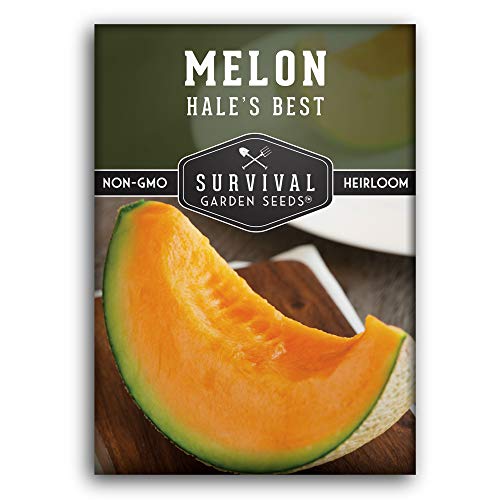
HEIRLOOM CANTALOUPE SEEDS – Enjoy classic homegrown flavor with sweet, juicy orange flesh and a small seed cavity for plenty of delicious fruit in every harvest from this beloved heirloom cantaloupe

Name: Hales Best Jumbo Melon | Type: Heirloom

Hale's Best Jumbo Heirloom Cantaloupe - Sweet, aromatic orange flesh; classic netted rind; open-pollinated California heirloom since the 1920s; Non-GMO; ideal for fresh slicing and seed saving. Cucumis melo var. reticulatus.
Oven Roasting
To oven roast cantaloupe seeds, start by preheating your oven to 325°F (163°C). Follow these simple steps:
- Cleaning and Drying: Rinse the seeds thoroughly under cold water to remove any fruit residue. Pat them dry with a clean kitchen towel.
- Seasoning: In a bowl, toss the cleaned and dried seeds with your choice of seasonings like sea salt, garlic powder, or cinnamon sugar. Ensure they are evenly coated for maximum flavor.
- Roasting: Spread the seasoned seeds in a single layer on a baking sheet lined with parchment paper. Place them in the preheated oven and roast for about 15-20 minutes until they turn golden brown, stirring occasionally for even roasting.
- Cooling: Once roasted, let the seeds cool completely before enjoying this crunchy snack.
Pan Roasting
Pan roasting cantaloupe seeds is another quick and easy method that yields delicious results. Here’s how you can do it:
- Preparation: Heat a non-stick skillet over medium heat on the stovetop.
- Seeding Roast: Add the cleaned and dried cantaloupe seeds directly into the hot skillet.
- Stirring & Monitoring: Continuously stir the seeds in the pan to prevent burning and ensure even roasting.
- Roast Completion: Roast the seeds for about 10-15 minutes until they develop a nice crunch and golden color.
- Serving: Once done, transfer the roasted cantaloupe seeds to a plate and let them cool before indulging in this nutritious treat.
Creative Recipes Using Roasted Cantaloupe Seeds
If you’re looking to add a unique twist to your dishes, consider incorporating roasted cantaloupe seeds. Here are some creative recipes that make the most of these crunchy treats:
Recommended Products
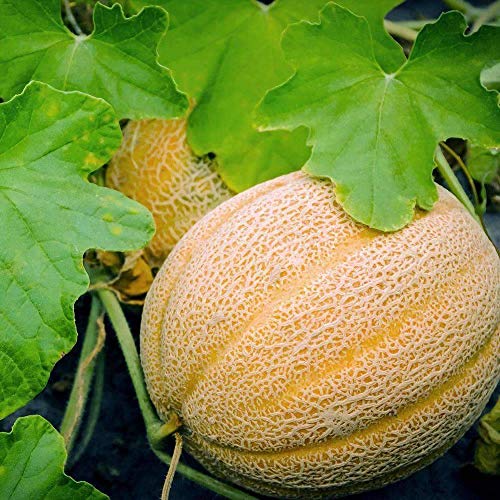

Beautiful - Large individual packets of Honey Rock, Hales Best and Honeydew Melon (Cucumis melo) seeds. Grow an abundant harvest of colorful cantaloupes. Enjoy these delectable musk melons picked straight from your garden.

Cantaloupe seeds garden seeds vegetable seeds bulk
Incorporating Into Salads
Enhance the texture and flavor of your salads by sprinkling roasted cantaloupe seeds on top. They add a delightful crunch and nuttiness that pairs well with fresh greens and other salad ingredients. Try them in a spinach and strawberry salad for an extra layer of taste and nutrition.
Homemade Trail Mixes
Create your own custom trail mix by combining roasted cantaloupe seeds with nuts, dried fruits, and whole grain cereals. The seeds’ protein-packed goodness will keep you energized during outdoor activities or as a satisfying snack at any time. Mix them with almonds, raisins, and granola for a delicious trail mix blend that’s both healthy and flavorful.
Conclusion
You’ve now unlocked a tasty and nutritious snack option by learning how to roast cantaloupe seeds. With their abundance of health benefits, including protein, healthy fats, and essential minerals, roasted cantaloupe seeds make for a satisfying treat that supports your well-being. By following the simple steps outlined in this article for preparing and roasting these seeds, you can easily elevate your snacking experience. Whether you prefer oven roasting or pan roasting techniques, the end result is a crispy and flavorful snack that can be enjoyed on its own or incorporated into various dishes like salads or trail mixes. Embrace the versatility of roasted cantaloupe seeds to add a delightful crunch to your meals while reaping their nutritional rewards. Happy snacking!
Frequently Asked Questions
Can cantaloupe seeds be eaten and are they nutritious?
Yes, cantaloupe seeds can be eaten, and they are highly nutritious. They are rich in protein, healthy fats, fiber, and essential minerals.
How do you prepare cantaloupe seeds for roasting?
To prepare cantaloupe seeds for roasting, clean them thoroughly to remove any fruit residue, dry them completely, and then season with your preferred flavors like sea salt or cinnamon sugar.
What are the benefits of roasting cantaloupe seeds?
Roasted cantaloupe seeds offer a unique flavor profile and provide benefits such as supporting muscle function, heart health, and energy production due to their nutrient-rich composition.
What is the recommended method for roasting cantaloupe seeds?
You can roast cantaloupe seeds using either oven roasting or pan roasting techniques. Both methods involve cleaning, seasoning, and carefully monitoring the roasting process to achieve a crispy texture.
