

Growing fig trees in Fresno, CA requires understanding the local climate and soil conditions. With proper care, these trees can thrive and produce abundant fruit. This guide outlines essential steps and considerations for successfully cultivating fig trees in the Central Valley.
Essential Supplies for Fig Tree Success
Growing fig trees in Fresno requires careful preparation and the right tools. To ensure healthy growth and abundant fruit, it’s crucial to gather essential supplies that cater to the unique climate and soil conditions of the Central Valley. This section outlines the key items you’ll need to set your fig trees up for success.
Before planting fig trees, ensure you have the right gear and supplies. Proper tools and materials will facilitate successful growth and maintenance.
Quality fig tree seedlings
Garden spade for digging
Mulch to retain moisture
Organic fertilizer for nutrient support
Watering can or drip irrigation system
Pruning shears for maintenance
Recommended Products

HELPS REGULATE SOIL MOISTURE: Miracle-Gro Organic Indoor Potting Soil Mix is an organic potting soil that protects indoor plants against over and under watering
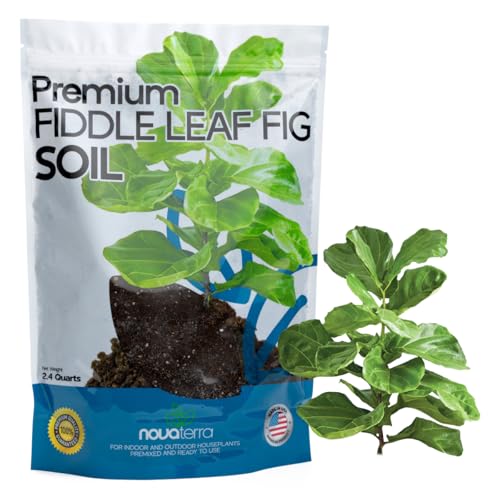
FIDDLE LEAF FIG SOIL: Premixed, ready-to-use blend formulated for Ficus lyrata. Supports healthy roots with balanced moisture retention and excellent drainage.

100% Natural: Custom blend for Fiddle Leaf Fig Tree (Lyre Leaf Fig Tree); no artificial ingredients
Soil Preparation for Fig Tree Success
Preparing the right soil is crucial for the successful growth of fig trees in Fresno’s unique climate. The Central Valley’s soil conditions can significantly impact the health and yield of your trees. Understanding how to enhance and maintain soil quality will set the foundation for thriving fig trees in your garden.
Soil preparation is crucial for healthy fig tree growth. Fig trees prefer well-drained soil with a pH of 6.0 to 6.8.
Select a sunny location
Fig trees thrive in full sun, requiring at least six hours of direct sunlight daily.Test soil quality
Use a soil test kit to determine pH and nutrient levels.Amend soil as needed
Incorporate organic compost to improve soil structure and fertility.Dig a hole
Create a hole twice the width of the root ball and the same depth.
Fig Tree Watering and Mulching Strategies
Proper watering and mulching are essential for the health and productivity of fig trees in Fresno’s unique climate. Understanding the specific needs of these trees will help you maintain optimal moisture levels and protect the soil. This section provides effective strategies tailored to the Central Valley’s conditions, ensuring your fig trees thrive year-round.
Proper watering and mulching are vital for fig tree health. Fig trees are drought-tolerant but need consistent moisture during the growing season.
Water deeply once a week during dry spells.
Apply mulch around the base to retain moisture and suppress weeds.
Monitor soil moisture using a moisture meter or by checking the top inch of soil.
| Watering Frequency | Season | Notes |
|---|---|---|
| Weekly | Spring/Summer | Increase frequency during heat waves |
| Bi-weekly | Fall | Reduce as temperatures drop |
| Monthly | Winter | Ensure minimal moisture |
Pruning Techniques for Fig Trees
Pruning is essential for maintaining healthy fig trees, especially in the unique climate of Fresno, CA. Proper techniques not only enhance fruit production but also improve air circulation and sunlight exposure. Understanding when and how to prune can significantly impact the vitality and yield of your fig trees in the Central Valley.
Pruning fig trees enhances air circulation and fruit production. Regular pruning is necessary to maintain shape and remove dead or diseased branches.
Prune during dormancy
Late winter is ideal for pruning fig trees before new growth begins.Remove suckers
Cut any shoots that grow from the base of the tree.Thin out branches
Focus on removing crowded branches to improve sunlight penetration.
Pest and Disease Control for Fig Trees
Maintaining healthy fig trees in Fresno requires vigilance against pests and diseases that can threaten their growth and fruit production. Understanding common issues and implementing effective control measures is essential for ensuring your trees thrive in the Central Valley’s unique climate. This section provides practical advice on identifying and managing these challenges to promote robust fig tree health.
Figs can be susceptible to pests and diseases. Regular monitoring and preventive measures are essential for maintaining tree health.
Inspect leaves regularly for signs of pests like aphids or spider mites.
Use insecticidal soap to manage pest infestations.
Watch for fungal diseases such as leaf blight and treat with appropriate fungicides.
Fig Harvest Timing and Storage Tips
Understanding the optimal timing for harvesting figs is crucial for maximizing flavor and quality in Fresno’s climate. This section provides essential tips on when to pick your figs and how to store them properly, ensuring you enjoy the best of your harvest while minimizing waste. Follow these guidelines to make the most of your fig-growing experience in the Central Valley.
Knowing when and how to harvest figs is crucial for enjoying their sweet flavor. Figs typically ripen in late summer to early fall.
Check for ripeness
Figs should feel soft and slightly droop on the branch.Harvest carefully
Use pruning shears to cut figs from the tree without damaging the branches.Store properly
Fresh figs can be kept in the refrigerator for up to a week.
Fig Tree Seasonal Care Strategies
Caring for fig trees in Fresno requires an understanding of their seasonal needs to ensure healthy growth and fruit production. Each season presents unique challenges and opportunities, from pruning in winter to managing water during the hot summer months. This section outlines effective strategies tailored specifically for the Central Valley climate to help you nurture your fig trees year-round.
Understanding seasonal care is essential for maintaining fig trees throughout the year. Adjusting care routines based on the season ensures optimal growth.
Spring: Fertilize with organic nutrients and monitor for pests.
Summer: Ensure adequate watering and mulch to retain moisture.
Fall: Prepare trees for winter by reducing watering and applying mulch.
Winter: Protect young trees from frost with burlap or frost cloth.
Fig Tree Care Tips for Fresno Success
Caring for fig trees in Fresno requires an understanding of the local climate and soil conditions. This section provides essential tips tailored to the unique challenges and opportunities of growing figs in the Central Valley, ensuring that your trees thrive and produce abundant fruit. Discover practical advice that will help you cultivate healthy and productive fig trees in your garden.
Growing fig trees in Fresno requires attention to detail and consistent care. Monitor the trees regularly for signs of stress or disease. Adjust your methods based on the specific needs of your trees and local conditions.
