

Have you ever reached for a container of fresh blackberries, only to find an unwelcome guest – mold? It’s a common issue that can leave you wondering if those juicy berries are salvageable. The good news is, with the right approach, you can easily wash mold off blackberries and still enjoy their delicious flavor.
Imagine preparing to indulge in a bowl of these plump berries, only to discover a fuzzy sight on some of them. Before you toss them out, let’s explore simple yet effective methods to rescue your blackberries from the clutches of mold. In this article, we’ll share practical tips on how to safely clean mold off blackberries so that you can savor every bite without any worries.
Key Takeaways
- Mold on blackberries is a common issue caused by factors like moisture and improper storage.
- Consuming moldy blackberries can pose health risks due to mycotoxins produced by molds.
- Washing techniques like rinsing, soaking in vinegar solution, and scrubbing can help remove surface mold from blackberries.
- Alternative methods such as using hydrogen peroxide soak or commercial produce wash can also be effective in removing mold.
- Prevent mold on blackberries by storing them properly in the refrigerator with ventilation and avoiding overcrowding.
- Discard blackberries showing visible mold, unpleasant odor, or texture changes to ensure food safety.
Understanding Mold on Blackberries
Mold on blackberries is a common issue that can occur due to various factors. Let’s delve into the reasons behind mold growth on these delicious berries and understand the risks associated with consuming moldy blackberries.
What Causes Mold on Blackberries?
Mold thrives in damp environments, making blackberries susceptible to mold growth if not stored properly. Factors such as moisture, temperature, and air circulation play a significant role in the development of mold on blackberries. When blackberries are exposed to excess moisture or stored in humid conditions, it creates an ideal environment for mold spores to germinate and spread.
The Risks of Eating Moldy Blackberries
Consuming moldy blackberries can pose health risks as molds produce mycotoxins that may cause allergic reactions or respiratory issues in some individuals. It’s essential to discard any blackberries showing signs of mold to avoid potential health complications. While cutting off the visible mold might seem like a solution, it’s crucial to remember that molds have roots that penetrate deep into the fruit, making it challenging to entirely remove them.
By understanding the causes of mold growth on blackberries and being aware of the risks associated with eating moldy berries, you can take necessary precautions to ensure your fruit remains fresh and safe for consumption.
Can You Wash Mold Off Blackberries?
When it comes to dealing with mold on blackberries, you might wonder if washing them is a viable solution. Let’s explore the effectiveness of washing techniques and alternative methods to remove mold from these delicate berries.
Recommended Products

REMOVES DIRT, WAX & RESIDUE: Washes away soil, wax coatings and surface residue from apples, berries, greens, peppers and everything in between, rinsing clean with no taste and no smell left behind.
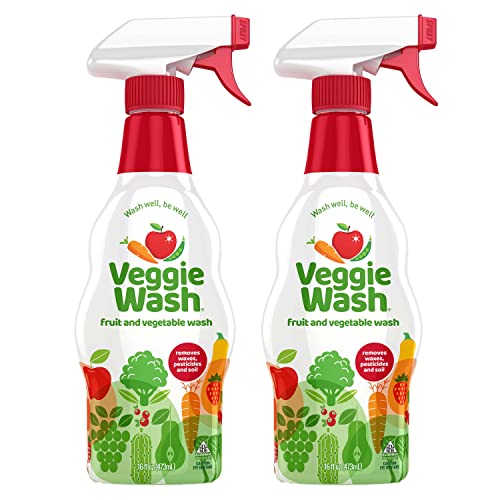
WASH WELL, BE WELL: safely removes wax, soil, agricultural chemicals, and handling residue found on both standard and organic fruits and veggies

VEGGIE WASH BLASTS AWAY IMPURITIES - Our unbeatable fruit cleaner and washer penetrates deep, removing every speck of grime and dirt. Revel in the purest, freshest fruits and veggies with every soak, your family deserves it!
Effectiveness of Washing Techniques
Washing blackberries can help remove surface mold and reduce the risk of consuming harmful contaminants. Follow these steps for an effective cleaning process:
- Rinsing: Start by gently rinsing the blackberries under cold, running water.
- Soaking: Consider soaking the berries in a solution of one part vinegar to three parts water for about five minutes to help kill any remaining mold spores.
- Scrubbing: Use a soft brush or cloth to gently scrub the berries while rinsing them.
Remember that while washing can eliminate visible mold, it may not completely rid the berries of all spores. It’s essential to discard any heavily molded or mushy berries.
Alternative Methods to Remove Mold
If you prefer alternatives to washing, here are some additional methods you can try:
- Vinegar Solution: Create a stronger solution using equal parts vinegar and water and soak the berries for about 10-15 minutes before rinsing thoroughly.
- Hydrogen Peroxide Soak: Submerge the berries in a mixture of one cup of water and one tablespoon of hydrogen peroxide for around five minutes, then rinse well.
- Commercial Produce Wash: Consider using a produce wash specifically designed to remove bacteria and mold from fruits like blackberries.
By employing these alternative methods along with proper washing techniques, you can effectively reduce mold contamination on your blackberries before enjoying them in your favorite dishes or snacks.
Preventing Mold on Blackberries
To ensure your blackberries stay mold-free and delicious, follow these simple steps to prevent mold growth.
Recommended Products

1-Eco-Friendly,Food Safety, Soft,Non Stick,Reusable,Easy To Clean Function:Making French Dessert Cake, Mousse Chocolate Pastry Decorating And So On

Two-Piece Raspberry Silicone Mold Set: Includes one solid raspberry mold with 5 cavities and one hollow raspberry mold with 6 cavities, perfect for making a wide variety of desserts

1 mold with 35 cavities shaped like a raspberry/blackberry
Proper Storage Techniques
Storing your blackberries correctly is essential in preventing mold formation. Here’s how you can do it:
- Refrigeration: Keep your blackberries in the refrigerator as soon as you bring them home. Place them in a container with a paper towel at the bottom to absorb excess moisture.
- Ventilation: Ensure proper air circulation by poking holes in the container or leaving it slightly open. This helps prevent moisture buildup that can lead to mold.
- Avoid Crowding: Don’t overcrowd your berries; give them space to breathe. Layering them too tightly can create pockets of humidity, promoting mold growth.
When to Discard Blackberries
Knowing when to discard blackberries is crucial for maintaining food safety. Here are signs that indicate it’s time to throw out your berries:
- Visible Mold: If you see any fuzzy spots or unusual discoloration on the surface of the blackberries, discard them immediately.
- Unpleasant Odor: Moldy fruit often emits a musty or off smell. If your blackberries smell strange, it’s best not to consume them.
- Texture Changes: Mold can alter the texture of blackberries, making them mushy or slimy. Any textural changes are a clear indication that the berries are no longer safe to eat.
Conclusion
Now that you know how to tackle mold on blackberries, you can confidently enjoy these delicious fruits without worries. By following the cleaning techniques and storage tips shared in this article, you can ensure your blackberries stay fresh and safe for consumption. Remember, a little extra care goes a long way in preserving the flavor and quality of your favorite berries. So next time you spot mold on your blackberries, you’ll know exactly what to do to salvage them and savor every bite. Happy berry eating!
Frequently Asked Questions
Q: Why do blackberries get moldy?
A: Blackberries are prone to mold growth due to factors like moisture and poor air circulation, creating an ideal environment for mold spores to develop.
Q: What are the risks of eating moldy blackberries?
A: Consuming moldy blackberries can pose health risks because molds can produce mycotoxins, harmful substances that may cause adverse effects on health.
Q: How can I clean mold off blackberries safely?
A: You can clean mold off blackberries by using effective washing techniques such as rinsing under water, soaking in a vinegar solution, or gently scrubbing the surface.
Q: How can I prevent mold on blackberries?
A: To prevent mold on blackberries, store them properly by refrigerating in a ventilated container, avoiding overcrowding, and promptly discarding any spoiled berries.
