

Have you ever wondered how easy it is to grow your own grapefruit tree from a seed right in your backyard? Picture this: enjoying the juicy, tangy fruit from a tree you nurtured from a tiny seed. Exciting, isn’t it?
In this article, you’ll discover the simple steps to kickstart your grapefruit tree journey. Imagine having fresh, homegrown grapefruits at your fingertips, free from pesticides and bursting with flavor.
Key Takeaways
- Selecting a Healthy Grapefruit Seed: Choose plump, fresh, and undamaged seeds from ripe organic fruits to ensure successful germination.
- Preparing the Seed for Planting: Prioritize seed quality, freshness, and variety selection when getting the seed ready for planting.
- Planting the Grapefruit Seed: Use well-draining soil, plant at the right depth, provide adequate water and sunlight, and be patient during the germination process.
- Providing Proper Care and Maintenance: Maintain regular watering schedules, ensure sufficient sunlight exposure, prune and shape the tree as needed, fertilize appropriately, and manage pests and diseases naturally.
- Troubleshooting Common Issues: Address slow germination with warmth and moisture, tackle yellowing leaves with proper nutrient supply, boost stunted growth with more sunlight, manage pest infestations carefully, and prevent premature fruit dropping by maintaining consistent care.
Selecting a Healthy Grapefruit Seed
When selecting a healthy grapefruit seed to start your own tree, it’s crucial to pick a high-quality seed that has the best chances of germination and producing a thriving tree. Here’s how you can choose the right seed for your grapefruit tree project:
Recommended Products

Advanced Terra Gel Technology: Our seedling germination trays utilize advanced plant tissue culture technology, which boasts a high success rate, boosts seed germination, shortens germination time, and is contamination free.

Complete Seed Starter Kit: The all-in-one starter package contains 10 sets of seed starter trays, 2 handy planting tools, and 10 plastic plant labels. Everything’s ready – add seeds and water to start your indoor garden right away
Check Seed Quality
Inspect the grapefruit seeds you have on hand for quality before starting the growing process. Make sure the seeds are plump, firm, and undamaged. Avoid seeds that are shriveled, soft, or discolored as they may not be viable for germination.
Freshness Matters
Opt for fresh grapefruit seeds as they are more likely to sprout successfully. When selecting a seed, look for those that are recently harvested to boost the likelihood of germination. Fresh seeds have higher moisture content, which is essential for the germination process.
Seed Source
If possible, obtain grapefruit seeds from fruits that are organic or grown without pesticides. Using seeds from organic grapefruits reduces the risk of any harmful chemicals interfering with the germination and growth of your tree. Check local markets or organic stores for suitable fruit options.
Choose Ripe Fruit
Select a ripe grapefruit to extract the seeds for planting. Ripe fruits have mature seeds that are more likely to germinate successfully. Choose a grapefruit that is fully ripe, as the seeds from such fruits have a higher chance of sprouting compared to seeds from unripe fruits.
Varietal Consideration
Consider the variety of grapefruit you wish to grow when selecting the seed. Different grapefruit varieties may have specific growth requirements or produce fruit with varying characteristics. Pick a seed from a grapefruit variety that aligns with your preferences in terms of taste, size, and other attributes.
By following these guidelines, you can ensure that you start your grapefruit tree project with a healthy and viable seed, setting the foundation for a successful and fulfilling growing experience.
Preparing the Seed for Planting
To start your grapefruit tree journey successfully, it’s crucial to prepare the seed correctly before planting. Here’s how to get your grapefruit seed ready for its new life in the soil:
- Choosing a Healthy Seed:
- Select a plump, healthy grapefruit seed to boost the chances of successful germination. A healthy seed is more likely to sprout and develop into a robust tree.
- Seed Quality Check:
- Examine the seed for any signs of damage or mold. A good quality seed will be firm, undamaged, and free of any mold or rot.
- Freshness Matters:
- Opt for fresh grapefruit seeds as they have a higher germination rate. The fresher the seed, the better the chances of it successfully sprouting into a seedling.
- Source Organic Seeds:
- Consider using seeds from organic grapefruits. Organic fruits are less likely to have been treated with growth inhibitors or chemicals that could affect seed viability.
- Choosing the Right Fruit for Seed Extraction:
- Pick a ripe grapefruit for seed extraction. Ripe fruits are more likely to contain viable seeds that are ready to germinate.
- Variety Selection:
- Understand the grapefruit variety from which the seed originates. Different grapefruit varieties may have specific growth requirements, so knowing the variety can help you provide the right care for your tree as it grows.
By following these steps and ensuring your grapefruit seed is in optimal condition, you set the stage for a successful germination and growth process for your future grapefruit tree. Next, you’ll be ready to plant the seed and watch your tree flourish.
Recommended Products

Pure Original Ingredients Grapefruit Seed Extract Capsules are filled with a single ingredient, providing a pure undiluted supplement
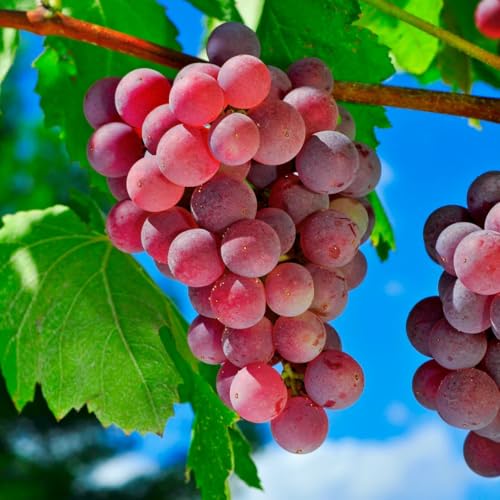
Generous Seed Count: Each package includes over 100 premium red grape seeds, providing plenty of starting material for your personal garden or small-scale backyard vineyard

COMPLETE FRUIT, VEGETABLE & HERB SEED VAULT – Grow a thriving, self-sufficient garden with 44 varieties of nutrient-rich fruits, vegetables, and herbs. Perfect for producing fresh ingredients for salads, meals, and everyday cooking right from your backyard. Packed with growing guide – Every seed variety is sealed in resealable, moisture-resistant packets for long-term storage and freshness. Includes an easy-to-follow guide with planting tips, harvest instructions, and seed-saving techniques.
Planting the Grapefruit Seed
To plant the grapefruit seed successfully, follow these straightforward steps:
Recommended Products

🍊 PROFESSIONALLY MIXED IN THE USA - Each bag is hand blended on our small family farm with premium horticultural grade ingredients: Canadian Peat Moss, Perlite, Worm Castings and Lime - 1 QUART BAG

Miracle-Gro Indoor Potting Mix for Cactus and Succulent is enriched with Miracle-Gro Plant Food and enhances desert plant vitality (vs unfed plants when used as directed)

Enhanced Growth Benefits: Supports optimal plant health with superior aeration, effective drainage, excellent nutrient retention, and a balanced pH – everything citrus plants need to thrive.
Get the Right Soil Mix
Use a well-draining potting mix to ensure proper water drainage.
Planting Depth
Plant the seed about 1 inch deep in the soil.
Watering Instructions
Keep the soil consistently moist but not waterlogged.
Finding the Right Spot
Place the pot in a warm, sunny location to encourage germination.
Patience is Key
Germination can take anywhere from 2 to 6 weeks, so be patient.
Transplanting
Once the seedling has several leaves, you can transplant it into a larger pot or your garden.
By following these steps, you’ll be on your way to growing a healthy grapefruit tree from a seed.
Providing Proper Care and Maintenance
After successfully germinating and growing your grapefruit seed into a healthy seedling, ensuring proper care and maintenance is essential for the continued growth and development of your grapefruit tree. Here are some key steps to help you nurture your grapefruit tree effectively:
Regular Watering
- Watering Schedule: Keep the soil consistently moist but not waterlogged. Water your grapefruit tree regularly, especially during dry periods.
- Avoid Water Stress: Ensure the soil drains well to prevent waterlogging, which can lead to root rot. Conversely, avoid letting the soil dry out completely.
Adequate Sunlight
- Sun Exposure: Place your grapefruit tree in a location where it can receive plenty of sunlight, ideally around 8 to 12 hours per day.
- Rotate if Necessary: If your tree leans towards the light source, rotate it regularly to promote even growth.
Pruning and Shaping
- Trimming Dead Branches: Regularly inspect your grapefruit tree for dead or damaged branches and trim them to encourage healthy growth.
- Shaping the Tree: Prune your tree to shape it appropriately, ensuring good airflow and sunlight penetration throughout the canopy.
Fertilization
- Balanced Fertilizer: Use a balanced fertilizer specifically formulated for citrus trees during the growing season to provide essential nutrients.
- Follow Instructions: Follow the manufacturer’s instructions for application rates and timing to avoid over-fertilization.
Pest and Disease Management
- Monitor regularly: Keep an eye out for common pests such as aphids, scale insects, and citrus leaf miners.
- Natural Remedies: Consider using natural pest control methods like neem oil or introducing beneficial insects to keep pests at bay.
- Covering Techniques: Protect your grapefruit tree from frost by covering it with a blanket or tarp on cold nights.
- Heat Source: Use a heat source such as a heat lamp to provide additional warmth during frosty periods.
By following these care and maintenance tips diligently, you can ensure the healthy growth and longevity of your grapefruit tree, ultimately leading to a bountiful harvest of delicious, homegrown grapefruits.
Troubleshooting Common Issues
Dealing with challenges while growing a grapefruit tree is common, but with the right approach, you can overcome them easily. Here are some common issues you might encounter and how to address them:
Slow or No Germination
If you notice that your grapefruit seed is taking longer than expected to sprout or hasn’t germinated at all, it could be due to factors like insufficient warmth or moisture. Ensure the seed receives adequate warmth and moisture for successful germination. Consider placing a heat mat under the seed tray to provide consistent warmth.
Yellowing Leaves
Yellowing leaves on your grapefruit tree can be a sign of nutrient deficiency, overwatering, or pests. Check the soil for drainage issues and adjust your watering schedule accordingly. Additionally, consider using a balanced fertilizer to provide essential nutrients to the tree.
Stunted Growth
If your grapefruit tree’s growth seems stunted or slow, it may need more sunlight. Ensure your tree is receiving at least 6-8 hours of direct sunlight daily. Consider moving it to a sunnier location if needed to promote healthy growth.
Pest Infestation
Pests like aphids, spider mites, or scale insects can harm your grapefruit tree. Regularly inspect the leaves and branches for any signs of pest infestation. Use organic pest control methods or insecticidal soap to manage the pest problem effectively without harming the tree.
Leaf Curling
Leaf curling on grapefruit trees can be caused by environmental stress, pests, or diseases. Ensure your tree is adequately watered and free from pests. If the issue persists, consult a local nursery or extension office for proper diagnosis and treatment options.
Dropping Fruit
If your grapefruit tree is dropping fruit prematurely, it could be due to fluctuations in watering, nutrient deficiencies, or improper pruning. Maintain a consistent watering schedule, fertilize as needed, and prune the tree to promote air circulation and sunlight exposure for healthy fruit development.
By addressing these common issues promptly and effectively, you can ensure the successful growth and vitality of your grapefruit tree. Remember to observe your tree regularly and make adjustments as needed to promote optimal health and fruit production.
Conclusion
You now have all the tools to successfully grow your own grapefruit tree from a seed. Remember to choose a healthy seed, follow the planting and germination steps, and troubleshoot any issues that may arise along the way. By adjusting warmth, moisture, sunlight exposure, and nutrient levels, you can ensure your tree thrives. With proper care and attention, you’ll soon be enjoying the fruits of your labor with delicious homegrown grapefruits. Happy planting!
Frequently Asked Questions
Q: How do I choose a healthy grapefruit seed for planting?
A: Select a plump, firm grapefruit seed without defects or mold for optimal germination success.
Q: What is the right soil mix for planting a grapefruit seed?
A: Use a well-draining, acidic soil mix to promote healthy root development and growth.
Q: How deep should I plant the grapefruit seed?
A: Plant the seed approximately 1 inch deep in the soil for ideal germination conditions.
Q: How often should I water the grapefruit seed?
A: Water the seed consistently, keeping the soil evenly moist but not waterlogged to support germination.
Q: When should I transplant the grapefruit seedling?
A: Transplant the seedling into a larger pot once it outgrows its current container and develops multiple leaves.
Q: How can I troubleshoot slow germination of the grapefruit seed?
A: Increase the warmth and moisture levels around the seed to encourage germination speed.
Q: What should I do if the grapefruit tree’s leaves start turning yellow?
A: Check for nutrient deficiencies, especially nitrogen, and adjust fertilization accordingly.
Q: How can I prevent pests from infesting my grapefruit tree?
A: Implement organic pest control methods like neem oil or insecticidal soap to manage pest infestation.
Q: Why are the grapefruit tree leaves curling?
A: Insufficient sunlight or high temperatures can cause leaf curling; ensure proper light exposure and ventilation.
Q: What should I do if the grapefruit tree drops its fruit prematurely?
A: Maintain consistent watering and pruning practices while ensuring proper nutrient supply to prevent premature fruit drop.
