

Are you dreaming of juicy grapefruits from your own backyard? Picture this: a sunny morning, plucking fresh grapefruits for breakfast. But when is the best time to plant those trees? Timing is key. In this article, you’ll discover the optimal planting season for grapefruit trees, ensuring a bountiful harvest in the future.
Have you ever planted a tree only to see it struggle to grow? By learning the ideal time to plant grapefruit trees, you’ll set yourself up for success. This article will guide you through the process, from choosing the right season to providing essential care tips. Get ready to cultivate your own slice of citrus paradise.
Key Takeaways
- Climate Suitability: Grapefruit trees thrive in subtropical to tropical climates with warm temperatures, typically in USDA hardiness zones 9-11 for optimal growth.
- Soil Quality: Ensure well-draining soil with a slightly acidic to neutral pH level for grapefruit trees to promote root health and overall vigor.
- Sunlight Exposure: Adequate sunlight of at least 6-8 hours daily is essential for grapefruit trees to flourish, support photosynthesis, and fruit development.
- Watering Needs: Establish a consistent watering schedule, especially for young trees, to maintain proper soil moisture and support root growth.
- Pruning Practices: Regular pruning is essential to maintain a desirable canopy structure, enhance airflow, and facilitate fruit production for grapefruit trees.
- Pest and Disease Management: Monitor regularly for pests and diseases, implementing appropriate treatments to protect grapefruit trees and ensure a bountiful harvest.
Factors to Consider for Planting Grapefruit Trees
Planting grapefruit trees requires careful consideration of various factors to ensure their successful growth and a bountiful harvest. Here are essential aspects to keep in mind when deciding to plant grapefruit trees:
Climate Suitability
Select a planting location that provides optimal conditions for grapefruit trees. They thrive in subtropical to tropical climates with warm temperatures, typically in USDA hardiness zones 9-11. Ensure your region’s climate is conducive to grapefruit tree growth to support healthy development.
Soil Quality
Grapefruit trees prefer well-draining soil with a slightly acidic to neutral pH level. Conduct a soil test to determine its composition and make necessary amendments, such as adding organic matter, to enhance fertility. Good soil quality promotes root health and overall tree vigor.
Sunlight Exposure
Grapefruit trees require ample sunlight to flourish and produce quality fruit. Choose a planting site with full sun exposure, ideally receiving at least 6-8 hours of sunlight daily. Adequate sunlight is essential for photosynthesis, fruit development, and overall tree vitality.
Watering Needs
Establish a consistent watering schedule to maintain proper soil moisture for grapefruit trees. While they are drought-tolerant once established, young trees require regular watering to support root growth. Deep watering sessions at longer intervals are preferable over frequent shallow watering.
Pruning Practices
Prune grapefruit trees to promote a desirable canopy structure, enhance airflow, and facilitate fruit production. Remove any dead, damaged, or crossing branches to maintain tree health. Pruning also helps control tree size and shape, leading to improved fruit quality.
Pest and Disease Management
Monitor grapefruit trees regularly for signs of pests or diseases, such as citrus leaf miner or citrus canker. Implement integrated pest management strategies to prevent infestations and use appropriate treatments if issues arise. Early detection and intervention are key to protecting your trees.
By considering these essential factors and providing proper care, you can set the foundation for healthy grapefruit trees that will reward you with delicious fruit over time. Ensure you address each aspect diligently to support the growth and productivity of your grapefruit orchard.
Best Time of Year to Plant Grapefruit Trees
To determine the best time for planting grapefruit trees, consider the following factors that can influence the success of your citrus orchard:
Recommended Products

Easy-to-read green, yellow, and red tick marks for easy monitoring
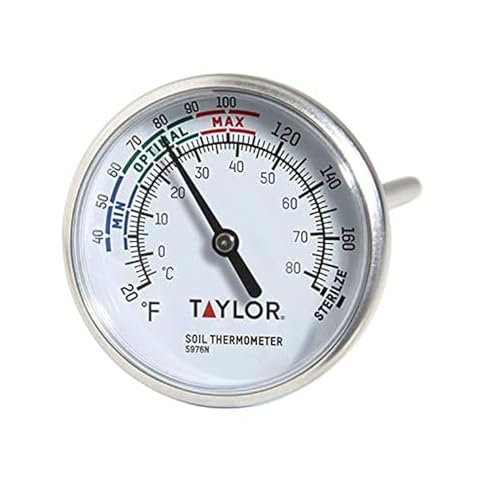
PRECISE SOIL TEMPERATURE READINGS: Measures soil temperatures from 20 degrees F to 180 degrees F (0 degrees C to 80 degrees C) with a large, easy-to-read analog dial face - no batteries or digital screens needed for reliable results every time

DURABLE CONSTRUCTION: Solid 20 inch (508 mm) 0.2 inch (5mm) diameter stem; reinforced welded bolt between dial and stem for long-lasting operation and conditions; high quality 304 stainless steel
Seasonal Considerations
Plant grapefruit trees in late winter to early spring.
- In regions with mild winters, late winter planting is ideal.
- For areas with harsh winters, wait until early spring to plant your trees to avoid frost damage.
- Avoid planting during the hottest months of summer when high temperatures can stress newly planted trees.
Weather Conditions
Choose a time when the soil is moist but not waterlogged.
- Planting after a period of light rain can help the tree establish its root system efficiently.
- Ensure the ground is not waterlogged to prevent root rot and other diseases.
Soil Temperature
Plant grapefruit trees when the soil temperature is above 60°F (15.6°C).
- Warmer soil temperatures promote root growth, allowing the tree to establish itself quickly.
- Use a soil thermometer to check the temperature before planting.
Frost Risk
Be cautious of late frosts that can damage young trees.
- Plant grapefruit trees early enough in the spring to avoid the threat of late frosts.
- Consider protecting young trees with frost cloth if frost is predicted shortly after planting.
Growth Cycle
Plant grapefruit trees during their dormant season.
- Planting during dormancy allows the tree to focus on root establishment before the active growing season.
- Dormant trees are less susceptible to transplant shock.
Final Considerations
Ensure adequate sunlight, well-draining soil, and proper watering post-planting.
- Select a location that receives at least 6-8 hours of sunlight daily for optimal growth.
- Plant grapefruit trees in well-draining soil to prevent waterlogged conditions.
- Water the tree regularly after planting, keeping the soil consistently moist but not waterlogged.
By following these guidelines and selecting the right time to plant your grapefruit trees, you’ll give them the best start for healthy growth and abundant fruit production in the future.
Steps for Planting Grapefruit Trees
To ensure a successful harvest with your grapefruit trees, follow these actionable steps meticulously:
1. Selecting the Right Location
Choose a planting location with full sun exposure. Grapefruit trees thrive in sunny conditions, needing at least 6-8 hours of sunlight daily for optimal growth.
2. Preparing the Soil
Ensure the soil is well-draining and rich in nutrients. Test the soil pH and make adjustments if necessary to create a favorable environment for the grapefruit tree to flourish.
3. Timing of Planting
Plant your grapefruit tree in late winter to early spring. This timing allows the tree to establish itself before the warm growing season, promoting healthy growth and fruit production.
4. Planting Process
Dig a hole twice as wide as the root ball and at the same depth. Place the tree gently in the hole, backfill with soil, and water thoroughly to settle the soil around the roots.
5. Mulching and Watering
Apply a layer of mulch around the base of the tree to retain moisture and suppress weed growth. Water the tree regularly, especially during dry spells, to maintain adequate moisture levels.
6. Protecting Against Frost
In regions prone to late frosts, protect your grapefruit tree by covering it with a frost cloth or blanket when needed. This safeguard ensures the tree’s tender growth is shielded from potential frost damage.
7. Pruning and Maintenance
Prune your grapefruit tree periodically to shape its growth and promote fruit production. Remove dead or damaged branches to encourage new growth and maintain the tree’s overall health.
By following these practical steps, you can lay a strong foundation for healthy grapefruit trees that will yield abundant fruits for years to come.
Conclusion
You now have all the essential tips to plant your grapefruit trees successfully. Remember, timing is key, so aim for late winter to early spring for planting. Ensure your tree gets plenty of sunlight and well-draining soil for optimal growth. Don’t forget to mulch, water, protect from frost, and prune regularly. By following these steps, you’re on your way to enjoying a bountiful harvest of delicious grapefruits in the future. Happy planting!
Frequently Asked Questions
When is the best time to plant grapefruit trees?
Plant grapefruit trees in late winter to early spring for optimal growth and successful harvest.
What type of soil is best for grapefruit trees?
Select well-draining soil to prevent root rot and promote healthy growth for grapefruit trees.
How much sunlight do grapefruit trees need?
Grapefruit trees require a sunny location with at least 6-8 hours of sunlight per day for optimal fruit production.
How should I protect grapefruit trees from frost?
Cover grapefruit trees with a frost cloth or blanket during cold weather to protect them from frost damage.
How often should I water my grapefruit trees?
Water grapefruit trees deeply and infrequently, allowing the soil to partially dry out between waterings for healthy root development.
Why is pruning important for grapefruit trees?
Pruning grapefruit trees helps maintain optimal shape, promotes air circulation, and increases fruit production.
