

Have you ever planted a plum tree only to find it stubbornly refusing to bear fruit? You’re not alone. Many gardeners face this frustrating challenge, wondering what went wrong and how to encourage their trees to produce delicious plums.
Key Takeaways
- Understand Plum Varieties: Choose between European and Japanese plum trees based on your climate for optimal fruit production. European varieties typically thrive in cooler areas, while Japanese ones favor warmer climates.
- Provide Ideal Growing Conditions: Ensure your plum trees receive 6-8 hours of sunlight daily, grow in well-drained loamy soil with a pH of 6.0-7.0, and maintain a consistent watering schedule to establish healthy roots.
- Facilitate Cross-Pollination: Plant compatible varieties together to enhance pollination and increase fruit yield. Creating a bee-friendly environment will also support this process.
- Implement Effective Pruning Techniques: Prune during late winter to early spring to shape the tree, remove dead wood, and promote healthy growth and air circulation, which are essential for fruiting.
- Manage Pests and Diseases: Stay vigilant against common pests such as aphids and Japanese beetles, and use natural methods like neem oil and beneficial insects to maintain tree health.
- Monitor Soil Quality: Regularly test your soil and amend it with organic matter and fertilizers as needed to ensure adequate nutrients for your plum trees, enhancing fruit development.
Understanding Plum Trees
Plum trees vary in type and requirements, making it crucial to understand their specific needs for fruitful growth.
Types of Plum Trees
Plum trees mainly fall into two categories: European and Japanese.
- European Plum Trees: These trees, like ‘Damson’ and ‘Stanley,’ thrive in cooler climates. They produce smaller, tart fruits and require less chill hours.
- Japanese Plum Trees: Varieties such as ‘Santa Rosa’ and ‘Shiro’ flourish in warmer areas. They yield larger, sweeter fruits and generally require more chill hours.
Selecting the right type based on your climate enhances the chances of fruit production.
Ideal Growing Conditions
Plum trees thrive in specific conditions that promote healthy growth and fruiting.
- Sunlight: Plums need at least 6-8 hours of direct sunlight daily to produce fruit effectively.
- Soil: They prefer well-drained, loamy soil with a pH of 6.0-7.0. Conduct a soil test to ensure optimal conditions.
- Watering: Regular watering during dry spells helps establish deep roots, but avoid waterlogging, which damages roots.
- Fertilizer: Use a balanced fertilizer in early spring. Follow label instructions for quantity and application timing.
By providing these ideal conditions, you can enhance your plum tree’s fruiting potential.
Factors Influencing Fruiting
Several key factors impact the fruiting of plum trees. Understanding these aspects can significantly enhance your chances of enjoying a successful harvest.
Pollination Requirements
Most plum trees require cross-pollination to produce fruit effectively. Planting at least two compatible varieties increases pollination success. For example, pairing European varieties like ‘Stanley’ with another European plum can enhance fruit set. Japanese varieties also benefit from cross-pollination; consider planting ‘Santa Rosa’ alongside ‘Shiro’. Bee activity plays a crucial role in this process, so create a bee-friendly environment by including flowering plants nearby.
Soil Quality and Nutrients
Soil quality directly affects your plum tree’s ability to bear fruit. Ensuring well-drained, loamy soil with a pH of 6.0-7.0 promotes healthy growth. Incorporate organic matter like compost to enhance soil fertility. Regularly test your soil for nutrient levels and amend it with balanced fertilizers in early spring. A nitrogen-rich fertilizer encourages leafy growth, while phosphorus and potassium support fruit development.
Watering Practices
Consistent watering is essential, especially during dry spells. Plum trees prefer deep watering over frequent, shallow watering. Aim for about 1 inch of water weekly, adjusting based on rainfall. Utilizing mulch around the base of the tree retains moisture and regulates temperature. Remember to observe your tree; signs of water stress such as drooping leaves suggest you should increase your watering efforts.
Pruning Techniques
Pruning plays a crucial role in encouraging plum trees to bear fruit. It promotes healthy growth and enhances air circulation, which supports fruit development.
Recommended Products

Various Bonsai Tools: This bonsai helper set including 3 bonsai pruning scissors, 1 folding scissors, 1 rake, 2 spades and 1 pair of tweezers. The combination of various tools allows you to take better care of plants.
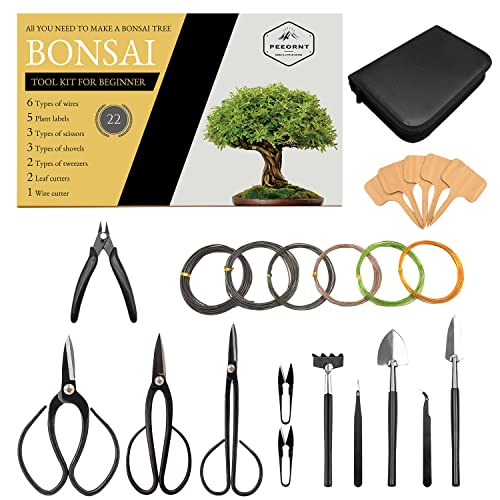
EVERYTHING YOU NEED TO START BONSAI - The bonsai tree kit includes 3 x bonsai scissor, 2 x leaf cutters, 2 x tweezers, 3 x soil shovels/rakes, 6 x bonsai training wires, 1 x wire cutter, 5 x bamboo plant markers. Start your bonsai journey with our bonsai kit.

VERSATILE PRUNING AND CUTTING SET: 2-tool combo helps tackle both live green growth and deadwood, making it easy to prune branches, trim plants, and cut through tougher material
When to Prune
Prune your plum tree during late winter to early spring. This timing allows you to shape the tree before new growth starts. Avoid pruning in fall, as this can stimulate growth that may not survive the winter.
- Gather Tools: Use clean, sharp pruning shears, loppers, and a pruning saw. Ensure your tools are sterile to prevent disease.
- Remove Dead or Diseased Wood: Cut away any branches that appear dead, damaged, or infected. This permits the tree to direct energy toward healthy growth.
- Thin Out Crowded Areas: Identify crowded branches and remove some to improve light penetration and air circulation. Space branches approximately 6-8 inches apart for optimal growth.
- Shape the Tree: Maintain a central leader for upright growth. Trim lateral branches to encourage fruiting spurs. Aim for an open center to enhance sunlight exposure.
- Make Clean Cuts: Cut at a 45-degree angle just above a bud or lateral branch. This technique helps prevent water from collecting atop the cut and promotes faster healing.
- Avoid Over-Pruning: Limit removal to about 20-30% of the total tree structure in a single year. Over-pruning can stress the tree and reduce fruit set.
With proper pruning techniques, you can significantly enhance your plum tree’s ability to produce delicious fruit.
Pest and Disease Management
Pest and disease management is crucial for encouraging plum trees to fruit. By staying vigilant and implementing effective strategies, you can protect your trees and maximize fruit production.
Recommended Products
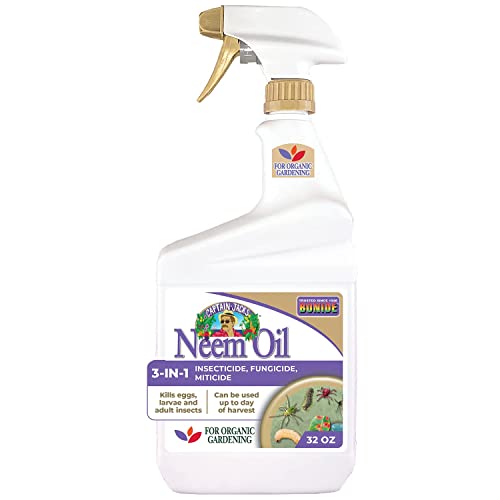
MULTI-PURPOSE BUG KILLER - Bonide Neem Oil is a perfect pest control solution for any garden dealing with mites, flies, mildew, and more. This product is a three-in-one fungicide, miticide, and insecticide.

FUNGAL DISEASE CONTROL: Prevents and controls black spot on roses, powdery mildew, rust, downy mildew, and other listed fungal diseases when applied on a 7–14 day schedule

Protect your oasis with Captain Jack’s Neem Max Ready-to-Use Spray; this multipurpose product acts as a 4-in-1 insecticide, fungicide, miticide and nematicide
Common Pests
Plum trees face several common pests that can hinder fruit production. Here are some of the most prevalent:
- Aphids: Small, sap-sucking insects that weaken the tree and can lead to stunted growth. They also produce honeydew, which attracts other pests.
- Japanese Beetles: These shiny, green beetles feed on leaves and fruit, causing significant damage. Look for them in early summer.
- ** plum curculio:** An oval-shaped weevil that lays eggs on developing fruit, leaving behind characteristic crescent-shaped scars.
- Spider Mites: Tiny, spider-like pests that thrive in hot, dry conditions. They cause yellowing of leaves and can create webs on branches.
Monitoring your trees regularly will help catch these pests early. Check under leaves, on branches, and around fruit for signs of infestations.
Preventative Measures
Implementing preventative measures is key to managing pests and diseases effectively. Here are practical tips to keep your plum trees healthy:
- Maintain Cleanliness: Remove fallen fruit, leaves, and debris to reduce pest habitats. Clean up regularly to deter them from nesting.
- Encourage Beneficial Insects: Attract ladybugs, lacewings, and predatory wasps to your garden. These beneficial insects feed on common pests, helping to maintain balance.
- Use Neem Oil: Apply neem oil as a natural pesticide. It disrupts pest life cycles and is safe for beneficial insects when used correctly.
- Regular Pruning: Prune trees to enhance air circulation and reduce humidity, which discourages disease. Focus on removing any dead or crossed branches.
- Crop Rotation: If you plant other fruits or vegetables, rotate them yearly to disrupt pest life cycles and prevent disease build-up in the soil.
By integrating these practices into your garden routine, you can effectively manage pests and diseases, setting the stage for a bountiful plum harvest.
Conclusion
Getting your plum tree to fruit can be a rewarding journey. By understanding its specific needs and providing the right conditions you’ll set the stage for a bountiful harvest. Remember to focus on proper pollination soil quality and effective pruning techniques. Keeping an eye on pests and diseases will also go a long way in ensuring your tree stays healthy.
With a little patience and care your plum tree can thrive and reward you with delicious fruits. Enjoy the process and look forward to those sweet plums in your garden!
Frequently Asked Questions
Why aren’t my plum trees producing fruit?
Plum trees may fail to produce fruit due to several factors, including lack of proper pollination, inadequate sunlight, poor soil quality, and incorrect watering practices. Ensure you have at least two compatible varieties planted nearby and provide 6-8 hours of direct sunlight, well-drained loamy soil, and consistent watering.
How can I improve pollination for my plum trees?
To enhance pollination, plant at least two compatible plum tree varieties nearby. This encourages cross-pollination, which is essential for fruit production. Additionally, creating a bee-friendly environment will help attract pollinators, ensuring your trees receive adequate support for fruit set.
What are the ideal growing conditions for plum trees?
Plum trees thrive in full sun, requiring 6-8 hours of direct sunlight each day. They prefer well-drained loamy soil with a pH of 6.0-7.0. Additionally, regular watering during dry spells and the application of balanced fertilizer in early spring are essential for growth and fruit production.
When should I prune my plum trees?
Pruning should be done during late winter to early spring. This timing encourages healthy growth and improves air circulation, which helps with fruit development. Use clean, sharp tools to remove dead or diseased wood and ensure light penetration for optimal fruiting.
How much should I prune my plum trees?
It’s best to avoid over-pruning your plum trees. Aim to remove no more than 20-30% of the tree’s structure in any single year. This approach helps maintain the tree’s health and encourages fruit production without stressing the tree.
What pests should I watch out for on my plum trees?
Common pests that can affect plum trees include aphids, Japanese beetles, plum curculio, and spider mites. Regular monitoring can help detect infestations early, allowing for timely action to protect your trees and enhance fruit production.
How can I manage pests and diseases in my plum trees?
Effective pest and disease management includes maintaining garden cleanliness, encouraging beneficial insects, using natural pesticides like neem oil, and practicing regular pruning for better air circulation. Incorporate crop rotation to minimize disease risks and protect your plum trees.
Do different types of plum trees require different care?
Yes, European and Japanese plum trees have different requirements. European varieties thrive in cooler climates and need specific pollination partners, while Japanese varieties do better in warmer areas. Understanding these differences helps ensure proper care for optimal fruit production.
