

Growing apricot trees in Arkansas can be successful if you choose the right varieties and follow proper care techniques. Selecting disease-resistant types and implementing effective watering and pruning practices will enhance growth and fruit production.
Best Apricot Varieties for Arkansas Climate
Selecting the right apricot variety is crucial for successful cultivation in Arkansas’s unique climate. Homeowners should consider factors such as temperature tolerance, disease resistance, and fruit quality to ensure a bountiful harvest. The following varieties have proven to thrive in the region, making them ideal choices for local gardeners.
Choosing the right apricot variety is crucial for success in Arkansas. The climate can be challenging, so opt for varieties that thrive in warmer regions. Look for cultivars that are known for their adaptability and disease resistance.
Katy: This variety is known for its sweet fruit and early harvest.
Tilton: A reliable choice with good flavor and can withstand heat.
Goldcot: Offers excellent disease resistance and produces large fruits.
| Variety | Flavor Profile | Disease Resistance | Harvest Time |
|---|---|---|---|
| Katy | Sweet | Moderate | Early June |
| Tilton | Rich | High | Late June |
| Goldcot | Sweet-Tart | Very High | Early July |
Recommended Products

**Due to Agricultural Laws, we Cannot Ship to CA, AZ, AK, or HI- YOUR ORDER WILL BE CANCELED**

🌇 live Chicago Hardy Fig tree 1 gallon is self-pollinating, comes with easy to use Fig food, and produces fresh Fig fruit every Year

🌇 live Chicago Hardy Fig tree 1 gallon is self-pollinating, comes with easy to use Fig food, and produces fresh Fig fruit every Year
Site Preparation for Healthy Apricot Trees
Preparing the right site is crucial for the successful growth of apricot trees in Arkansas. This section outlines essential steps homeowners should take to ensure optimal conditions, including soil quality, sunlight exposure, and drainage. By focusing on these factors, you can create an ideal environment for your apricot trees to thrive.
Proper site preparation is essential for healthy apricot trees. Choose a location with full sun exposure and well-drained soil. Soil pH should ideally be between 6.0 and 7.0.
Test Soil: Conduct a soil test to determine nutrient levels and pH.
Amend Soil: Add organic matter or fertilizers based on test results.
Space Trees: Ensure adequate spacing of at least 15 to 20 feet between trees for airflow.
Irrigation Strategies for Apricot Trees
Effective irrigation is crucial for the successful growth of apricot trees in Arkansas, where climate conditions can vary significantly. Homeowners must adopt tailored watering techniques to ensure their trees receive the right amount of moisture, promoting healthy development and fruit production. Understanding the specific needs of apricot trees will help optimize irrigation practices for a thriving garden.
Watering is vital for the establishment and growth of apricot trees. In Arkansas, the hot summers can stress young trees if not properly watered.
Deep Watering: Water deeply once a week during dry spells.
Mulching: Apply a layer of mulch around the base to retain moisture.
Irrigation System: Consider installing a drip irrigation system for consistent moisture.
Recommended Products
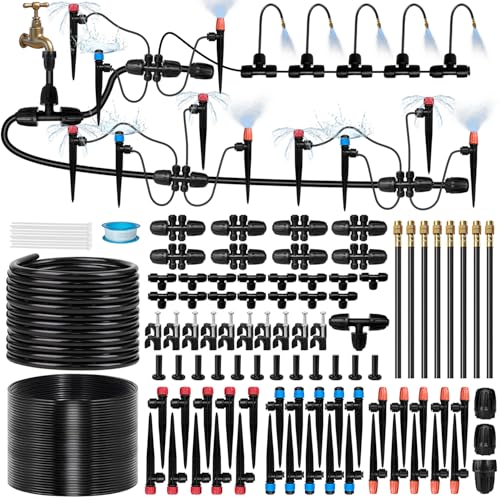
【Upgraded Tube Design & Water Saving】 Our garden watering system is upgraded to 1/2” diameter to support high water pressure. The 1/2” tee connector allows seamless splitting into 2 independent zones for customized watering schedules. By delivering moisture directly to root zones, this drip Irrigation system significantly reduces evaporation and runoff—saving more water compared to conventional sprinklers while eliminating the need for manual watering.

NO MORE HARD INSTALLATION - SET UP IN MINUTES. Tired of struggling with stiff barbed fittings? This drip irrigation system features quick-connect fittings that let you push, lock, and secure tubing effortlessly. No tools, no leaks, just a smooth setup experience. Enjoy a frustration-free installation and get your garden watering system running in minutes.
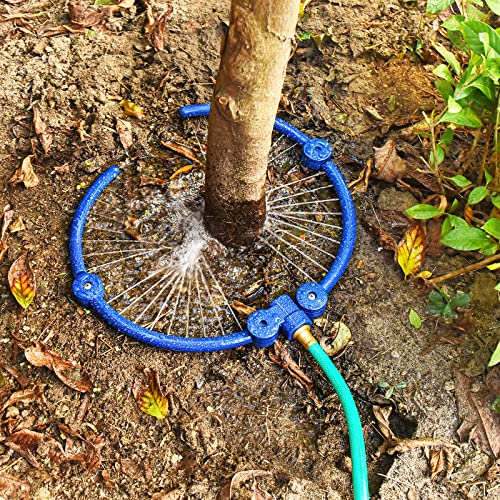
【Specially Designed for Trees and Shrubs】 The Watering Ring is a multi-purpose irrigation ring that attaches to a garden hose to efficiently water young trees shrubs vegetables or flower beds using drip or trickle irrigation.It directs water to the root perimeter of the plant to give them a good start during the first two growing seasons or through periods of drought.
Pruning Techniques for Healthy Apricot Trees
Pruning is a crucial practice for maintaining the health and productivity of apricot trees, especially in Arkansas’s unique climate. By employing the right techniques, homeowners can enhance fruit quality, promote better air circulation, and encourage robust growth. Understanding these methods will help ensure that your apricot trees thrive for years to come.
Regular pruning is necessary to maintain the shape and health of apricot trees. Proper pruning encourages better air circulation and sunlight penetration.
Timing: Prune in late winter or early spring before new growth.
Remove Dead Wood: Cut away any dead or diseased branches.
Thin Out Growth: Thin crowded branches to improve fruit quality.
| Pruning Task | Purpose | Timing |
|---|---|---|
| Remove Dead Wood | Prevent disease | Late winter |
| Thin Crowded Branches | Improve air circulation | Early spring |
| Shape Tree | Enhance sunlight exposure | Late winter |
Apricot Tree Fertilization Techniques
Proper fertilization is crucial for the successful growth of apricot trees in Arkansas. Understanding the specific nutrient needs and timing for fertilization can significantly enhance tree health and fruit production. This section outlines effective techniques to ensure your apricot trees thrive in the Arkansas climate.
Fertilizing apricot trees correctly supports vigorous growth and fruiting. Use a balanced fertilizer to provide essential nutrients.
Spring Fertilization: Apply a balanced fertilizer in early spring as new growth begins.
Soil Testing: Conduct regular soil tests to adjust nutrient levels.
Organic Options: Consider using compost or well-rotted manure as natural fertilizers.
Pest Control Strategies for Apricot Trees
Effective pest control is crucial for maintaining healthy apricot trees in Arkansas. Homeowners must be proactive in identifying and managing common pests that threaten their trees. This section outlines practical strategies to protect your apricot trees and ensure a bountiful harvest.
Managing pests and diseases is crucial for the health of apricot trees. Regular monitoring and proactive measures can prevent issues.
Common Pests: Watch for aphids, spider mites, and fruit borers.
Disease Prevention: Implement good sanitation practices and remove fallen fruit.
Organic Treatments: Use insecticidal soap or neem oil for pest control.
Recommended Products


Suitable for ALL Skin Types. Each Soap is 75 grams(2.65 Ounces). You will get 3 X 2.65 Ounces = 8 Ounces
Optimal Apricot Harvest Timing and Techniques
Timing is crucial for a successful apricot harvest in Arkansas, where the climate can influence fruit development. Understanding the optimal harvest period and employing effective techniques can significantly enhance fruit quality and yield. This section provides essential insights to help homeowners maximize their apricot production.
Harvesting apricots at the right time ensures optimal flavor and quality. Monitor fruit color and firmness for the best results.
Color Check: Look for a golden yellow color indicating ripeness.
Gentle Handling: Handle fruit carefully to avoid bruising.
Timing: Harvest in the morning when temperatures are cooler.
| Harvesting Tip | Description |
|---|---|
| Color Check | Look for golden yellow |
| Gentle Handling | Avoid bruising |
| Timing | Early morning harvest |
Essential Practices for Apricot Growth in Arkansas
Growing apricot trees in Arkansas requires specific practices tailored to the region’s climate and soil conditions. Homeowners can enhance their success by understanding the essential techniques for planting, caring for, and maintaining these trees. By following these guidelines, you can cultivate healthy apricot trees that thrive in Arkansas’s unique environment.
Growing apricot trees in Arkansas requires attention to detail and consistent care. Monitor environmental conditions and adjust practices as needed.
Planting the right variety and providing adequate water, nutrients, and care will lead to a fruitful harvest.
