

Do you dream of having a fruit tree in your backyard but worry about it taking over your space? You’re not alone! Many gardeners face the challenge of managing their trees while still enjoying the delicious fruits they produce.
Key Takeaways
- Understanding Pruning: Proper pruning techniques are essential for maintaining the health and size of fruit trees, promoting better air circulation and sunlight exposure.
- Benefits of Small Trees: Keeping trees small simplifies care and harvesting and enhances fruit quality while minimizing pest attraction.
- Essential Tools: Employ the right tools like hand pruners, loppers, and pruning saws, along with safety gear, to ensure effective and safe pruning.
- Effective Pruning Techniques: Utilize techniques such as thinning cuts, heading cuts, and sucker removal, and aim to prune in late winter or early spring for optimal results.
- Size Control Strategies: Choose dwarf varieties, regularly thin branches, and monitor tree health to maintain size and encourage manageable growth.
Understanding Fruit Tree Pruning
Pruning is essential for maintaining the health and size of your fruit trees. By learning the proper techniques, you can keep your trees productive while managing their growth effectively.
Importance of Pruning
Pruning enhances air circulation within the tree’s canopy, reducing disease risk. It promotes sunlight exposure for even ripening of fruit. Removing dead or overcrowded branches encourages healthy growth. Structured pruning shapes the tree, making it easier to manage. Regular pruning helps maintain the desired size while still producing fruit.
Benefits of Keeping Trees Small
Smaller trees are easier to care for and harvest. They require less space, making them ideal for smaller yards. Keeping trees small can improve fruit quality, as sunlight reaches more of the fruit. Smaller trees can reduce the chances of attracting pests. Many smaller varieties also produce fruit within a shorter timeframe, leading to faster yields.
Tools You Will Need
Pruning requires the right tools to achieve the best results. Below are essential items that help you maintain your fruit trees effectively.
Recommended Products

PROFESSIONAL GARDENING GRAFTING TOOLS: Including 2 in 1 grafting pruning tools, 3 replaceable blades, a grafting knife, a screwdriver, a wrench, 2 grafting films, 160 rubber bands, 40 wide rubber bands, and 50 colorful tag cards

✂Multifunctional -2 in 1 Garden Grafting Tools-Professional grafting set allows you to pruning and grafting at the same time, saving more time and effort than traditional grafting methods, easy to use and more efficient. It allows you to trim away excess leaves and twigs and prepare the plants to be grafted. At the same time, you can make a precise cut into the grafting stock with the special grafting blade.
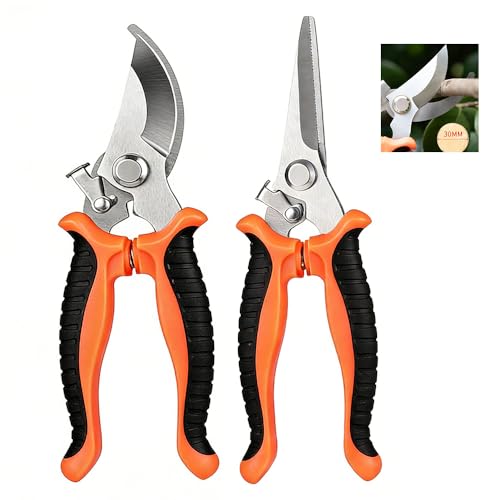
Essential Gardening Tool: This garden pruning shear is specially designed for light cutting tasks. Its blade body is treated with a special craft for smooth, consistently sharp cuts. Equipped with a high-elasticity spring, it opens and closes effortlessly for easy operation.
Essential Pruning Tools
- Hand Pruners: Use hand pruners for small branches up to ¾ inch thick. Their sharp blades make clean cuts, promoting quick healing.
- Loppers: Loppers tackle thicker branches, typically 1 to 2 inches in diameter. Their longer handles provide leverage, making cuts easier.
- Pruning Saw: A pruning saw is ideal for branches thicker than 2 inches. Choose a saw with a curved blade for smoother cutting.
- Pole Saw: A pole saw helps reach higher branches. Opt for a lightweight option to avoid fatigue during use.
- Garden Shears: Garden shears are great for shaping and trimming smaller plants surrounding your tree. They maintain a neat appearance in your garden.
- Safety Glasses: Protect your eyes from debris while pruning. Always wear safety glasses to prevent injuries.
- Gloves: Use durable gloves to guard your hands from cuts and scratches. Choose gloves that provide a good grip for handling tools.
- Long Sleeves: Wear long sleeves to minimize skin exposure, reducing the risk of scratches from branches and thorns.
- Sturdy Footwear: Firm footwear provides stability while working around trees. Avoid slippery shoes to prevent accidents.
Equipping yourself with the right tools and safety equipment makes pruning easier and safer.
Techniques for Pruning
Effective pruning techniques help keep fruit trees small and healthy. Here are some essential strategies to consider.
Timing Your Pruning
Timing plays a crucial role in successful pruning. Aim to prune fruit trees in late winter or early spring, just before new growth starts. This timing encourages healthy growth and helps minimize stress on the tree. If you notice any dead or diseased branches at any time, remove those immediately to prevent further issues.
Cuts and Trimming Methods
Using the right cuts and trimming methods ensures precise pruning. Consider these techniques:
- Thinning Cuts: Remove entire branches at their base. This promotes air circulation and sunlight exposure. Choose branches that crowd each other.
- Heading Cuts: Shorten branches to the desired length. This method encourages bushier growth. Make cuts just above a bud or lateral branch.
- Removal of Suckers: Suckers grow from the base of the tree or main branches. Remove them to redirect nutrients to the main structure.
- Clean Cuts: Always use sharp, clean tools to make smooth cuts. This practice reduces the risk of disease entering the tree.
When pruning, step back frequently to assess your progress. This practice helps maintain the desired shape and size. Remember, consistent pruning promotes overall tree health and improves fruit quality.
Pruning for Size Control
Pruning plays a vital role in maintaining the size of fruit trees. By employing proper techniques and regular maintenance practices, you’ll manage tree growth more effectively.
Recommended Products

Premium Material Construction: Crafted from premium carbon steel using exquisite techniques, these tools boast exceptional hardness, resilience to wear, and a robust construction, ensuring long-lasting performance

IDEAL BRANCH TRIMMER: 28" Steel blade garden bypass lopper that glides through up to 1.5" thick branches for easy cuts; Works well for trimming tree branches to maintain your yard and garden, and to encourage overall plant health and appearance

Package Includes: Come with 24 pieces of fruit branch forms stronger branches. which can be used to pull the branches flat, and fruit trees can absorb sunlight, ventilation and fruitfulness.
Approaches to Keep Trees Small
- Choose Dwarf Varieties: Opt for dwarf or semi-dwarf tree varieties. These types naturally grow smaller and are more suitable for limited spaces.
- Regular Thinning: Remove excess branches each year. Focus on crowded areas to improve air circulation and light access.
- Controlled Heading Cuts: Cut back branches to encourage denser growth. Aim to keep previous cuts within 6-12 inches of where you made the last cut for best results.
- Limit Vertical Growth: Trim the top branches to encourage lateral growth. Aim to create a flatter canopy that’s easier to manage.
- Remove Suckers: Identify and remove suckers originating from the base or lower trunk. This practice redirects energy to the main branches.
- Prune in Late Winter: Timing matters. Pruning during late winter or early spring stimulates new growth just before the growing season starts.
- Assess Tree Health: Inspect your trees for any signs of disease or damage. Addressing these conditions early helps maintain size and health.
- Clean Tools After Use: Sanitize your pruning tools with rubbing alcohol. This practice reduces the risk of transferring diseases between trees.
- Monitor Growth: Regularly check tree growth throughout the season. If branches start to overreach, consider pruning them back immediately.
- Mulch Around the Base: Apply mulch around the base of the tree. This practice retains moisture and limits excessive growth of competing weeds.
By following these strategies for size control, you can enjoy healthy, manageable fruit trees that enhance your garden space.
Conclusion
Pruning your fruit trees not only keeps them manageable but also boosts their health and productivity. By following the right techniques and timing you can enjoy a bountiful harvest without sacrificing your garden space. Remember to regularly assess your trees and make adjustments as needed.
With a little patience and care your small fruit trees can thrive and provide you with delicious fruits for years to come. So grab your tools and get started on your pruning journey. Happy gardening!
Frequently Asked Questions
How can I keep my fruit trees from taking over my garden space?
To manage space with fruit trees, regular pruning is essential. Pruning encourages controlled growth, promotes air circulation, and keeps trees smaller, ensuring they don’t dominate your garden.
What are the benefits of pruning fruit trees?
Pruning improves air circulation, enhances sunlight exposure, promotes healthy growth, and prevents overcrowding. It encourages better fruit quality and yields by allowing the tree to concentrate its energy on fewer, healthier branches.
What tools do I need for pruning fruit trees?
Essential pruning tools include hand pruners, loppers, pruning saws, and pole saws. Don’t forget safety equipment like safety glasses and gloves to protect yourself during the pruning process.
When is the best time to prune fruit trees?
The ideal time to prune fruit trees is late winter or early spring. This timing promotes healthy growth and allows trees to recover before the growing season begins.
What cutting techniques should I use when pruning?
Focus on thinning cuts to improve air circulation and heading cuts to encourage bushier growth. Regularly remove suckers to redirect nutrients back to the main branches for optimal growth.
How can I control the size of my fruit trees?
To control size, choose dwarf or semi-dwarf varieties, thin excess branches regularly, and limit vertical growth by trimming top branches. Consistent pruning will help maintain a manageable tree height.
How do I keep my pruning tools clean and safe?
Sanitize your pruning tools after each use to prevent disease transmission. Wipe them down with rubbing alcohol or a bleach solution, and always use clean, sharp tools to minimize damage to the trees.
Should I use mulch around my fruit trees?
Yes, applying mulch around the base of your fruit trees retains moisture, suppresses weeds, and contributes to overall tree health. Ensure the mulch is not piled against the trunk to prevent rot.
