

Do you ever wonder why some fruit trees flourish while others struggle to produce? If you’ve got a fruit tree in your yard, you might be facing the challenge of keeping it healthy and productive. Pruning could be the key to unlocking its full potential.
Key Takeaways
- Pruning Benefits: Pruning enhances growth, increases fruit production, prevents diseases, improves airflow, and simplifies maintenance of fruit trees.
- Myth-Busting: Common myths include the belief that young trees shouldn’t be pruned and that more pruning results in more fruit; in fact, selective pruning is key.
- Optimal Timing: The best time to prune most fruit trees is in late winter or early spring, while some, like stone fruit trees, benefit from summer pruning.
- Signs for Pruning: Look for dead branches, overcrowding, crossing branches, and poor growth as indicators that your tree needs pruning.
- Pruning Techniques: Employ various techniques such as thinning cuts, heading cuts, and cleaning cuts to promote tree health and productivity.
- Essential Tools: Use quality tools like pruning shears, loppers, and pruning saws, and ensure they’re sharp for effective and clean cuts.
The Importance of Pruning Fruit Trees
Pruning fruit trees plays a crucial role in their health and productivity. It encourages growth, improves fruit quality, and prevents disease.
Benefits of Pruning
- Enhanced Growth: Pruning encourages the growth of new branches and improves overall tree structure.
- Increased Fruit Production: Pruned trees often produce larger, healthier fruit. Focusing energy on fewer branches boosts yield.
- Disease Prevention: Removing dead or diseased branches reduces the risk of pests and diseases spreading throughout the tree.
- Improved Airflow: Pruning opens up the canopy, allowing better light penetration and air circulation, which is essential for fruit development.
- Easier Maintenance: A well-pruned tree is easier to manage, making tasks like spraying for pests and harvesting more straightforward.
- Myth: You Shouldn’t Prune Young Trees: Young trees benefit from early pruning, which shapes growth and strengthens their structure.
- Myth: More Pruning Gives More Fruit: Over-pruning can stress trees. It’s vital to prune selectively and not remove too much at once.
- Myth: Pruning in Fall Is Best: Pruning during dormancy, typically in late winter or early spring, is optimal as trees focus energy on growth afterward.
- Myth: Only Professionals Can Prune Trees: Homeowners can prune successfully with the right tools and knowledge. Learning proper techniques can lead to great results.
These insights help you understand the importance of pruning and dispel misconceptions that could hinder your fruit tree’s growth.
When to Prune Fruit Trees
Proper timing is crucial for effective fruit tree pruning. Pruning at the right time promotes healthy growth and maximizes fruit production.
Recommended Products
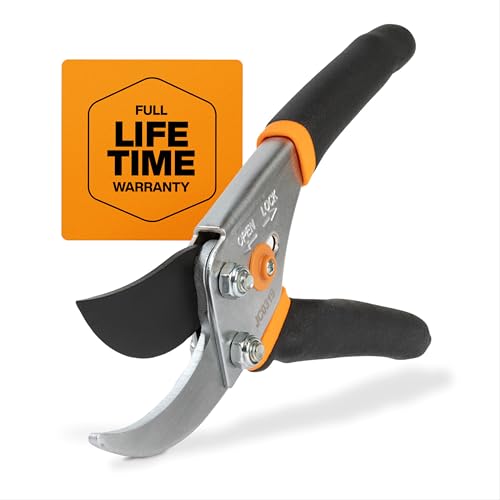
CLEAN CUTS FOR LIVE GROWTH: Bypass blade design is ideal for pruning delicate flower stems and green growth, helping reduce crushing and plant damage while cutting stems and small branches up to 5/8” in diameter

· ULTRA-SHARP SK5 STAINLESS STEEL - Engineered with premium SK5 stainless steel, these heavy duty pruning shears deliver razor-sharp precision and maximum hardness. The rust-resistant blades are designed to stay sharp longer, effortlessly resisting corrosion and sap buildup for smooth, friction-free garden shears performance year after year.

LONG-LASTING SHARPNESS: Japanese SK5 bypass blade with titanium coating is tested through 5,000 cuts to maintain a sharp edge and deliver clean, consistent cuts on live stems and branches
Seasonal Considerations
Pruning timing varies based on the season and the type of tree. Most fruit trees benefit from pruning during late winter or early spring, just before new growth begins. For example, apple and pear trees thrive when pruned in late winter. In contrast, stone fruit trees, like cherries and peaches, respond best to summer pruning. Summer pruning reduces tree size and encourages fruit development. Keep in mind that some trees, like certain varieties of citrus, may require different approaches, so it’s essential to research specific care for your trees.
Signs Your Tree Needs Pruning
Look for specific indicators that signal your tree needs attention. Some common signs include:
- Dead or Diseased Branches: Remove any branches showing clear signs of decay or damage to maintain tree health.
- Overcrowded Canopy: Thin crowded areas to improve sunlight penetration and airflow, which promotes better fruit production.
- Crossing Branches: Cut branches that rub against each other to prevent wounds that can lead to disease.
- Poor Growth: Address trees that show stunted growth or a lack of fruit by shaping them and removing weak branches.
By monitoring these signs regularly, you can ensure your fruit trees remain healthy and productive.
Techniques for Pruning Fruit Trees
Pruning fruit trees requires understanding specific techniques that promote health and productivity. Here are essential methods to consider.
Recommended Products

★ 1. What you get: Professional convenient grafting tool set including a dual-use grafting pruner tool contain 2 extra replaceable blades, a wrench and a screwdriver, along with 36pcs wide rubber bands, 150 thick rubber bands and 1 grafting tape, packed in a black wallet to meet all your needs


[Cut & Hold Pole Pruner for Tree Trimming] This long reach cut and hold pruner makes it easy to grip and remove branches, flowers, or fruit without dropping them. Perfect as a pole fruit picker for harvesting lemons, oranges, apples, or persimmons, and for trimming shrubs and bushes without climbing a ladder.
Basic Pruning Methods
- Thinning Cuts: Remove whole branches at their point of origin. Aim for crowded areas to improve light and airflow.
- Heading Cuts: Shorten branches to promote bushier growth. Make cuts just above a bud and encourage new growth from that point.
- Cleaning Cuts: Eliminate dead, damaged, or diseased wood. Focus on branches that show signs of rot or pests, removing them entirely.
- Suckering: Remove suckers, which are vigorous shoots that grow from the base. This practice redirects energy to more productive parts of the tree.
- Espalier: Train your tree along a trellis or wall. This method increases sunlight exposure and saves space.
- Crown Reduction: Reduce the height and spread of the tree without removing entire branches. This technique maintains a balanced shape while encouraging fruit production.
- Renewal Pruning: Gradually remove older wood to promote new growth. Alternate between branches each year to ensure the tree remains productive.
- Drop-Crotch Pruning: Focus on cutting back to a lateral branch rather than removing a branch entirely. This method helps maintain a natural shape while allowing for outward growth.
Use sharp, clean tools to minimize damage and prevent disease. Pruning at the right time with the right technique promotes a flourishing fruit tree.
Tips for Successful Pruning
Pruning fruit trees effectively involves utilizing the right tools and following best practices to promote healthy growth and fruit production.
Recommended Products

IDEAL BRANCH TRIMMER: 28" Steel blade garden bypass lopper that glides through up to 1.5" thick branches for easy cuts; Works well for trimming tree branches to maintain your yard and garden, and to encourage overall plant health and appearance

【Multi-purpose Tree Pruner】The telescopic pole pruner has a shearing function and can be used for picking fruit and trimming high branches. The sharp blade of the fruit picking rod can easily cut branches up to 1/2 inch in diameter, and the included serrated saw blade uses double-sided cutting technology, making it easy to cut through thicker tree trunks. Its versatile design makes it an indispensable tool for gardening.

IDEAL BRANCH TRIMMER: Tree pruner that extends from 7.9 to 12 feet; Lightweight aluminum pole weighing less than five pounds to help minimize fatigue; Ideal for cutting high branches, or making low cuts without bending or kneeling
Tools You’ll Need
- Pruning Shears: Use bypass or anvil shears for precise cuts on smaller branches.
- Loppers: Utilize loppers for thicker branches, offering more leverage and reach.
- Pruning Saw: Choose a pruning saw for large branches that shears can’t handle.
- Gloves: Wear gloves to protect your hands from cuts and scrapes.
- Safety Glasses: Protect your eyes while working, especially when cutting branches.
- Start with a Clean Workspace: Clear debris from around the tree to ensure safety and ease of movement.
- Inspect the Tree: Look for dead, diseased, or damaged branches before making cuts. Focus on improving airflow and light penetration.
- Make Clean Cuts: Cut branches at a 45-degree angle to promote swift healing. This prevents water accumulation and disease.
- Prune in Stages: Avoid removing too much at once. Gradually shape the tree, assessing changes with each cut.
- Follow the Right Timing: Prune most fruit trees in late winter or early spring while they’re dormant. For stone fruits, summer pruning might be more beneficial.
- Keep Tools Sharp: Use sharp tools for clean cuts, minimizing stress on the tree.
- Monitor Throughout the Year: Regularly check your tree for new growth and any additional pruning needs as the season progresses.
Implementing these tools and practices contributes to healthy, productive fruit trees, ensuring a bountiful harvest each season.
Conclusion
Taking the time to prune your fruit trees can make a world of difference in their health and productivity. By understanding the right techniques and timing you can help your trees thrive and produce a bountiful harvest.
Remember to keep an eye out for signs that your trees need attention and don’t hesitate to get started with the right tools in hand. Pruning might seem daunting at first but with practice you’ll gain confidence and see the benefits unfold.
Your efforts will not only enhance the beauty of your garden but also reward you with delicious fruit season after season. Happy pruning!
Frequently Asked Questions
What is the importance of pruning fruit trees?
Pruning fruit trees is essential for promoting healthy growth, increasing fruit production, preventing disease, and improving airflow. It also makes ongoing maintenance easier. Proper pruning techniques can help trees reach their full potential and ensure a bountiful harvest.
When is the best time to prune fruit trees?
Most fruit trees benefit from pruning in late winter or early spring. However, stone fruit trees respond better to summer pruning. Timing is crucial for promoting healthy growth and maximizing fruit production throughout the growing season.
What are signs that a fruit tree needs pruning?
Signs that a fruit tree requires pruning include dead or diseased branches, overcrowded canopies, crossing branches, and poor overall growth. Monitoring these indicators can help determine the best time for necessary pruning practices.
What are some effective pruning techniques?
Effective pruning techniques include thinning cuts, heading cuts, and cleaning cuts. Thinning cuts remove entire branches for better light and airflow, heading cuts encourage bushier growth, and cleaning cuts eliminate dead or diseased wood, fostering a healthier tree.
Do I need special tools for pruning fruit trees?
Yes, the right tools are crucial for effective pruning. Essential tools include pruning shears, loppers, and pruning saws. Safety equipment like gloves and safety glasses is also recommended to protect against injuries while pruning.
