

Are you wondering if those graceful deer in your yard have been snacking on your precious nectarine trees? Picture this: you wake up to find nibbled leaves and broken branches, leaving you frustrated and seeking answers. In this article, we’ll explore the age-old question: do deer have a taste for nectarine trees?
By diving into this topic, you’ll gain valuable insights into protecting your beloved nectarine trees from these curious creatures. Stay tuned to discover practical tips and proven strategies to safeguard your garden oasis. Let’s unravel the mystery behind deer behavior and learn how to keep your nectarine trees thriving.
Key Takeaways
- Deer are opportunistic feeders and may eat leaves, buds, and even fruits like nectarines, especially during certain times of the year.
- Implement protective measures like fencing, repellents, scare tactics, and planting deer-resistant vegetation to safeguard your nectarine trees.
- Regularly inspect your trees for signs of deer damage and adjust your protective strategies accordingly.
- Understanding factors that attract deer to nectarine trees, such as scent, nutritional value, availability of food, and shelter, can help in devising effective protection plans.
Understanding Deer Behavior Towards Nectarine Trees
When it comes to understanding deer behavior towards nectarine trees in your yard, it’s essential to be aware of their habits and preferences. Deer can significantly impact your nectarine trees, so it’s crucial to know how they interact with these fruit-bearing plants.
Deer Feeding Habits
Deer are known to be opportunistic feeders, and they can eat a variety of plants, including nectarine trees. In the wild, deer typically consume leaves, buds, and tender shoots. However, they are also known to nibble on fruits, including nectarines, especially when other food sources are scarce.
Nectarine Tree Vulnerability
Nectarine trees are at risk of damage from deer, particularly during certain times of the year. In the spring, when nectarine trees are blooming, deer may be attracted to the sweet scent of the flowers and the tender new growth. Additionally, during the fruiting season, deer may target ripe nectarines, causing harm to the tree and reducing your harvest.
Deer Behavior Patterns
Deer are most active during dusk and dawn, known as crepuscular behavior. This means that they are likely to visit your yard during these times to feed on your nectarine trees. Understanding their activity patterns can help you implement effective strategies to deter them from causing damage.
Protective Measures
To protect your nectarine trees from deer, consider implementing the following measures:
- Fencing: Install a sturdy fence around your yard to keep deer out.
- Repellents: Use deer repellents or deterrents to make your nectarine trees less appealing to deer.
- Scare Tactics: Employ scare tactics such as motion-activated devices or noise-makers to startle deer away from your trees.
- Alternative Food Sources: Plant deer-resistant vegetation nearby to distract deer from your nectarine trees.
Actionable Steps
To safeguard your nectarine trees from deer:
- Inspect Regularly: Check your nectarine trees for signs of deer damage.
- Implement Protective Measures: Apply fencing and repellents to deter deer.
- Monitor Activity: Keep an eye on deer activity around your yard to adjust your protective strategies as needed.
By understanding deer behavior towards nectarine trees and taking proactive steps to protect your plants, you can ensure the health and longevity of your garden oasis.
Factors That Attract Deer to Nectarine Trees
Understanding the factors that draw deer to your nectarine trees is crucial in devising effective protection strategies. By recognizing what entices deer to these trees, you can implement preventive measures to safeguard your precious fruit-bearing plants.
Recommended Products

REPELS DEER AND RABBITS: Deer and rabbits don’t have to eat vegetation for the repellent to be effective—they have a natural aversion to the scent

Over 100,000 Repeat Customers - For over 20 years Deer Out is the trusted brand for professional gardeners, landscapers and farmers alike. Works Great!

Over 100,000 Repeat Customers - For over 20 years Deer Out is the trusted brand for professional gardeners, landscapers and farmers alike. Works Great!
Scent of Nectarines
Deer are naturally attracted to strong scents, including the sweet aroma of nectarines. During the fruiting season, the fragrance of ripe nectarines can lure deer from afar, prompting them to feast on your trees.
Nutritional Value
Nectarines provide deer with a juicy and nutritionally rich snack. These fruits are high in water content and offer essential vitamins and minerals that appeal to deer’s dietary needs. The nutritional benefits of nectarines make them a desirable food source for these animals.
Availability of Food
When nectarines are in abundance on your trees, deer are more likely to visit regularly. The easy access to a convenient food source like nectarines encourages deer to frequent your garden, especially when other food options are scarce.
Attraction to Blooms
During the blooming season, deer are attracted to the delicate flowers of nectarine trees. The sight and scent of these blossoms can draw deer to your garden, where they may nibble on the tender blooms, posing a threat to the tree’s future fruit production.
Shelter and Security
Deer seek shelter and safety in areas where they feel secure. Nectarine trees with dense foliage and branching structures can offer deer a sense of cover and protection, making them comfortable enough to linger in your yard.
Water Source
Deer require access to water for hydration, especially during dry periods. If your nectarine trees are located near a water source or provide dew or rainwater collection points, they may attract deer seeking to quench their thirst.
Understanding these factors can help you devise a comprehensive plan to protect your nectarine trees from deer damage. By addressing the key attractants that draw deer to your garden, you can effectively mitigate the risk of these animals feasting on your precious trees.
Signs of Deer Damage on Nectarine Trees
Recognizing deer damage on your nectarine trees is crucial to taking timely action to protect your orchard. Here’s how to identify signs that deer have been snacking on your valuable fruit trees:
Nibbled Leaves
Check for leaves with jagged edges or partially missing foliage. Deer typically nip off leaves, leaving behind a distinct pattern that indicates their presence.
Bark Stripping
Inspect the bark of your nectarine trees for strips of bark that have been torn off. Deer often peel bark to reach the tender layer underneath, causing significant harm to the tree.
Broken Branches
Look for broken or damaged branches, especially those higher up in the tree. Deer may reach for leaves and fruits, inadvertently breaking branches as they feed.
Trampled Ground
Deer can leave clear signs of their presence on the ground around your nectarine trees. Look for hoof prints, droppings, or flattened vegetation, indicating recent deer activity.
Nectarine Fruit Damage
Check your nectarines for bite marks or missing fruits. Deer are known to enjoy the sweet taste of nectarines, and their feeding can lead to a loss of crop yield.
Rubbing Marks
Deer rub their antlers against tree trunks to mark their territory or remove velvet. Look for smooth, worn areas on tree trunks as a sign of deer rubbing.
Disturbed Surroundings
Keep an eye out for disturbed soil or mulch around the base of your nectarine trees. Deer searching for fallen fruits or digging for roots can disrupt the ground cover.
Fencing or Barrier Damage
Inspect any fencing or barriers you have in place. Damage to these structures, such as bent sections or broken wires, may indicate deer trying to access your nectarine trees.
By being vigilant and recognizing these signs of deer damage on your nectarine trees, you can promptly address the issue and protect your precious fruit harvest from further harm.
Prevention Methods to Protect Nectarine Trees from Deer
To safeguard your nectarine trees from deer damage, here are some effective prevention methods:
Recommended Products

Size: Deer netting size 7 feet x 100 feet; garden netting mesh size 3/4"; color: black; Easy to use accessories included: 10pcs installation nails & 50pcs cable ties

【Perfect size】(Garden Netting size 13ftX20ft, Mesh Size 0.8inchX0.8inch), Protect fruit tree plant blueberry strawberry from animals

Large Fruit Tree Netting Bags: The fruit tree netting measures 6 ft wide x 6 ft high, which is large enough to cover the entire plant, suitable for different sizes of plants, fruit trees, shrubs.
1. Use Physical Barriers and Fencing
- Install sturdy fencing around your nectarine trees to create a barrier that prevents deer from accessing them.
- Ensure the fencing is at least 8 feet tall to deter deer from jumping over it.
- Regularly inspect the fencing for any damages or potential entry points for deer.
2. Apply Deer Repellents
- Utilize commercial deer repellents that emit scents or tastes disliked by deer.
- Reapply repellents after rainfall to maintain their effectiveness.
- Consider using natural repellents like predator urine or soaps for a chemical-free alternative.
3. Plant Deer-Resistant Plants Nearby
- Surround your nectarine trees with plants that deer generally avoid, creating a natural deterrent.
- Choose plants like lavender, daffodils, or yarrow to help protect your nectarine trees.
- Research local deer-resistant plant species for the best results in your area.
4. Implement Scare Tactics
- Use scare tactics such as motion-activated lights, sprinklers, or sound devices to startle deer away from your nectarine trees.
- Rotate scare tactics periodically to prevent deer from becoming accustomed to them.
- Combine multiple scare tactics for increased effectiveness.
- Remove fallen fruit, debris, and other potential attractants from around your nectarine trees.
- Regularly prune lower branches to reduce deer browsing opportunities.
- Keep your garden well-maintained to make it less appealing to deer.
By implementing these practical prevention methods, you can protect your nectarine trees from deer damage and ensure a bountiful harvest. Stay vigilant and proactive in deterring deer to maintain the health and productivity of your fruit trees.
Effective Techniques for Repelling Deer from Nectarine Trees
To protect your nectarine trees from deer damage, employing effective techniques to deter these animals can be crucial. Deer can pose a significant threat to your trees, but with the right strategies, you can safeguard your orchard and ensure a fruitful harvest.
Recommended Products
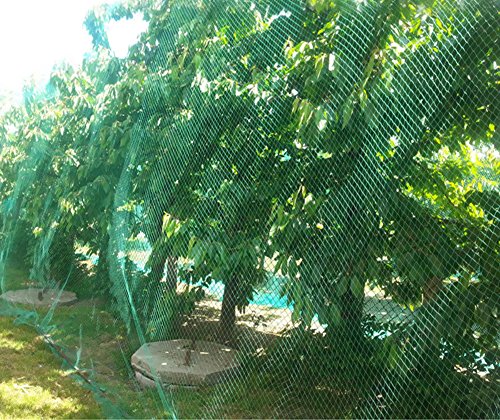
Excellent Material & Quality: Our bird netting is made of strong and durable PE with high stretch, light-weight but not tear easily; It is anti-UV and tough enough to withstand the effects of the sun and bad weather conditions, so you can use the garden netting repeatedly until the end of the season; The size of the poultry netting mesh refers to the measured length straightened from the far left to the far right

COMPLETE PROTECTION KIT - Professional-grade 7ft x 200ft deer netting with 3/4" fine mesh that effectively blocks deer, rabbits, birds, and small pests. Includes 20 metal landscape staples and 50 zip ties for immediate installation - everything you need in one package.

COMPLETE PROTECTION KIT - Professional-grade 7ft x 100ft deer netting with 3/4" fine mesh that effectively blocks deer, rabbits, birds, and small pests. Includes 10 metal landscape staples and 50 zip ties for immediate installation - everything you need in one package.
Choose the Right Fencing
Installing a sturdy fence around your nectarine trees is one of the most reliable ways to keep deer at bay. Opt for fences at least 8 feet tall to prevent deer from jumping over them. Ensure the fence is secure to withstand deer pressure and resist attempts to breach it.
Utilize Deer Repellents
Consider using deer repellents to discourage deer from approaching your nectarine trees. These products can emit odors or tastes that deer find unpleasant, deterring them from feeding on your trees. Apply repellents according to the manufacturer’s instructions for best results.
Employ Scare Tactics
Incorporating scare tactics can create a hostile environment for deer, dissuading them from entering your orchard. Devices such as motion-activated sprinklers, noise-makers, or visual deterrents like shiny objects can startle deer and keep them away from your nectarine trees.
Plant Deer-Resistant Plants Nearby
Strategically planting deer-resistant species near your nectarine trees can help mask the enticing scent of your fruit trees. Deer are less likely to target areas with plants they find less appealing, providing an added layer of protection for your orchard.
Maintain a Clean Garden Environment
Keep your garden clean and free of debris that may attract deer. Regularly remove fallen fruit, trim overgrown vegetation, and eliminate potential hiding spots for deer. By reducing attractants in your garden, you can minimize the chances of deer infestation.
Conclusion
By implementing these effective techniques, you can create a deterrent system that safeguards your nectarine trees from deer damage. Combining physical barriers, repellents, scare tactics, strategic planting, and garden maintenance will help protect your orchard and ensure a successful nectarine harvest.
Conclusion
Protecting your nectarine trees from deer damage is crucial for a successful harvest. By understanding deer behavior and implementing effective protective measures like proper fencing, deer repellents, scare tactics, and maintaining a clean garden environment, you can deter deer effectively. These strategies not only safeguard your nectarine trees but also contribute to a thriving garden environment. Stay proactive in keeping deer at bay to enjoy the fruits of your labor without worrying about deer intrusion. With the right approach, you can create a deer-resistant space that allows your nectarine trees to flourish undisturbed. Remember, a little effort in deer prevention goes a long way in preserving your harvest.
Frequently Asked Questions
How can deer damage nectarine trees?
Deer damage nectarine trees by rubbing their antlers on trunks, eating foliage, and nibbling on fruit, causing bark wounds and tree stress.
What attracts deer to nectarine trees?
Deer are attracted to nectarine trees due to the sweet fruit and tender foliage they offer, especially during fruit-bearing seasons.
What are signs of deer damage on nectarine trees?
Signs of deer damage on nectarine trees include stripped bark, broken branches, missing leaves, and half-eaten fruits.
How can I protect nectarine trees from deer?
You can protect nectarine trees from deer by installing tall, sturdy fencing, using deer repellents, employing scare tactics, planting deer-resistant plants nearby, and maintaining a clean garden environment.
