

Have you ever watched your fruit trees blossom only to see them wither in a late freeze? It’s a heartbreaking situation that many gardeners face. As the weather warms up, those delicate buds can be vulnerable to unexpected cold snaps, threatening your hard work and future harvest.
Key Takeaways
- Understanding Late Freezes: Late freezes can occur during spring, damaging fruit trees that have already bloomed, especially apple, peach, and cherry varieties.
- Prevention Strategies: Use frost cloths, blankets, and proper site selection with good air drainage to protect trees from unexpected cold snaps.
- Monitoring Weather Conditions: Stay updated on local weather forecasts for potential late freeze warnings and take proactive measures accordingly.
- Post-Freeze Care: Assess damage immediately after a freeze, prune affected parts, and maintain moisture levels to promote recovery.
- Fertilization and Pruning: Apply fertilizer cautiously and prune only after the risk of frost has passed to encourage healthy growth in recovering trees.
Understanding Late Freeze and Its Impact
Late freezes occur when temperatures drop unexpectedly during the spring months, often after trees have already begun to bloom. These sudden cold snaps can cause significant damage to fruit trees. When nighttime temperatures fall below 32°F (0°C), delicate flower buds and new leaves can suffer from frostbite. Affected trees may produce fewer fruits or none at all, impacting your harvest.
Late freezes pose a risk primarily during the bud break stage. For example, apple trees typically bloom in April. If a freeze occurs in mid-April, trees may lose their blossoms, leading to a reduced yield in the growing season. Other trees, like peaches and cherries, are even more vulnerable due to earlier blooming times. A late freeze can devastate your efforts over an entire growing season.
Preventive measures can significantly reduce the impact of late freezes. You might consider using frost cloths or blankets to cover your trees on cold nights. Such coverings trap heat and protect blossoms from freezing temperatures. Another strategy involves planting trees in locations with good air drainage, which helps avoid cold air pools.
Monitoring local weather forecasts for late freeze warnings is crucial. Keep an eye on temperatures as spring approaches, and be ready to act. Understanding the timing and potential for late freezes enables you to better protect your fruit trees and ensure a fruitful harvest.
Signs of Late Freeze
Recognizing the signs of a late freeze can save your fruit trees from significant damage. Catching these indicators early helps you act quickly to protect your plants.
Identifying At-Risk Fruit Trees
You can identify at-risk fruit trees by observing their blooming cycles. Apple trees, peach trees, and cherry trees are commonly vulnerable. Check for early blossoming, particularly when flowers open before the last frost date in your area. Watch for vulnerable growth stages, such as when blossoms remain in fragile bud forms or are just beginning to unfurl. If you see blooms in mid- to late-spring, it’s crucial to monitor weather conditions closely.
Weather Conditions to Watch For
Stay alert for specific weather conditions that signal a potential late freeze. You should monitor nighttime temperatures dropping below 32°F (0°C). Pay attention to sudden temperature drops following warm spells. Look out for frost forecasts in local weather reports, especially when your trees are in bloom. Sudden changes in wind patterns can also indicate a drop in temperature. Rain prior to a freeze can worsen conditions, as wet blooms freeze more easily than dry ones.
Implementing these observations allows you to take proactive measures against late freezes effectively.
Prevention Techniques
Preventing damage to fruit trees from late freezes involves several practical strategies. These techniques help ensure your trees thrive even when unexpected cold snaps occur.
Recommended Products

PACKAGE: The package includes 4Pcs plant covers,will meet your daily use or replacement. Measuring 31.5" x 47.3", the plant protector is waterproof, windproof.

The Large plant cover is perfect for Plant size 55''-70"high and 84''-94" round, Heavy-weight FRCs (1.77oz./sq. yard): usually used to extend the growing season in spring and fall, allow 40%-60% light transmittance, and recommend 3°-8°F of freeze protection

Revolutionary Anti-freeze Protection: Plant covers freeze protection is made of 100% Reliable non-woven thickened polypropylene fabric Because the frost cloth fabric Thickness is 3.2 oz/yd² thicker and warmer, tear resistant than less expensive 1.3 oz/yd² fabric. Provides up to 2° F(-17℃) frost protection. In winter, frost blankets for outdoor plants can form a insulation layer for plants to isolate cold air and retain the oxygen required for plant respiration
Choosing the Right Tree Varieties
Selecting tree varieties that are more resilient to late freezes makes a significant difference. Look for trees bred for hardiness in your climate. For instance, some apple varieties, such as ‘Honeycrisp’ or ‘Fuji’, bloom later than others. This delays flowering until after the last frost date. Additionally, consider local heirloom varieties, which often adapt well to regional weather patterns.
Site Selection and Preparation
Site selection plays a crucial role in protecting your fruit trees. Choose locations with good air drainage to reduce frost accumulation. Avoid planting in low-lying areas, as cold air settles there. Instead, opt for higher ground or slopes.
Prepare the soil by enriching it with organic matter. Well-drained soil promotes healthier root systems, making trees more resilient to temperature fluctuations. Use mulch around the base of trees to insulate roots and retain moisture.
Planting in a sunny spot also helps. The sun warms the soil and air, reducing the likelihood of frost forming. If possible, consider planting your trees near structures or large rocks. These features can provide additional warmth and shelter from cold winds.
Protective Measures During Late Freeze
Protecting your fruit trees during a late freeze involves several practical strategies. Implementing these methods can significantly reduce the risk of frost damage.
Recommended Products

Comprehensive Winter Protection for Your Garden: Our outdoor plant covers provide complete freeze protection for strawberries, vegetables, tomatoes, fruit trees, citrus plants, shrubs, and potted plants throughout the winter. This frost cloth plant freeze protection shields delicate plants from sudden temperature drops, frost, and strong winds, ensuring they survive harsh winter conditions. Ideal for those looking for frost blankets for outdoor plants and reliable plant freeze protection covers.
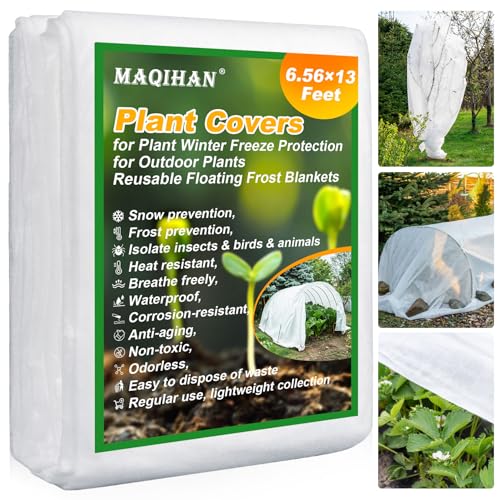
Product Features: Our plant covers are ideal for protecting all plant. Made from premium 1 oz/sq non-woven fabric, their durability and breathability ensuring both insulation against frost and facilitation of sunlight penetration for healthy plant growth

[1.5oz/yd² Frost Cloth for Plant Freeze Protection]Made with 1.5oz/yd² per sq yd garden fabric, this frost cloth helps protect plants from frost, cold wind, and sudden temperature drops while allowing sunlight, air, and moisture to pass through.
Covering Trees with Blankets or Tarp
Cover your trees with blankets or tarps when frost is forecasted. Wool or fleece blankets work well, as they provide insulation. A tarp can also shield moisture from reaching the tree while trapping heat below. Ensure you secure the covering with rocks or stakes to prevent it from blowing away. Remove the coverings in the morning when temperatures rise to avoid overheating.
Using Frost Cloths and Row Covers
Frost cloths and row covers offer an effective alternative to traditional coverings. These materials are lightweight and allow sunlight and moisture to reach the trees while protecting them from frost. Drape them over the trees, ensuring they touch the ground to trap warmth. Fastening the edges with ground staples or weights provides extra stability. Monitor the weather to ensure you cover your trees before a freeze and remove the cloths once temperatures warm up.
By employing these protective measures, you can safeguard your fruit trees against late freezes and ensure a healthier harvest.
Post-Freeze Care for Fruit Trees
Taking proper post-freeze care of your fruit trees maximizes recovery and helps ensure future productivity. After a late freeze, prompt actions can make a significant difference.
Recommended Products

1:EXTENDABLE REACH FOR LADDER-FREE SAFETY – Acting as both a reliable tree pruner and a fruit picker pole, this tool effortlessly extends from 3.28 to 5.25 FT to reach high branches up to 10 FT from the ground. The innovative rotating and locking head allows for precise angles without unstable ladders or risky stretching, ensuring maximum safety.


Package Includes: Contents 1 Manual gardening grafting cutter and 2 rolls of 2 sizes of grafting tape, meeting your needs.
Assessing Damage and Recovery Steps
Assessing the damage begins immediately after the freeze. Inspect your trees closely. Look for wilted, discolored, or blackened flower buds and leaves. These are indicators of frost damage.
- Examine Flower Buds: Check if they’re brown or mushy. Healthy buds remain firm and green.
- Inspect New Growth: Look for signs of frostbite on new leaves or shoots. Damaged foliage often appears limp or curling.
- Check Bark: Look for cracks or peeling bark; these may indicate stress.
Once assessed, recovery steps can begin:
- Water Thoroughly: Keep the soil moist but not soggy. This helps trees recover from stress.
- Remove Damaged Parts: Prune away any damaged buds or branches. This encourages healthy growth.
- Monitor Sprouting: New growth may be slow, but watch for healthy leaves appearing as signs of recovery.
Fertilization and Pruning Tips
Proper fertilization and pruning promote strong recovery and growth. Use targeted strategies to help your trees thrive post-freeze.
- Fertilization: Fertilize only if buds and leaves show promising signs of life. Use a balanced fertilizer, emphasizing slow-release types to reduce the risk of over-fertilization. Generally, apply fertilizer in spring, focusing on nitrogen content to encourage foliage growth.
- Pruning:
- Prune Timing: Wait until you’re certain the risk of further frost has passed. Early summer often offers better circumstances.
- Techniques: Use clean, sharp tools to make clean cuts. Remove significantly damaged branches back to healthy wood. Ensure cuts are angled to prevent water accumulation.
Incorporating these practices helps you support the health of your fruit trees after a late freeze. Your proactive approach leads to better recovery and improved future harvests.
Conclusion
Protecting your fruit trees from late freezes is all about being proactive and attentive. By understanding the risks and implementing the right strategies you can significantly reduce the chances of frost damage. Keep an eye on the weather and be ready to act when temperatures drop unexpectedly.
Remember to choose resilient varieties and plant in locations that offer good air drainage and warmth. When a freeze threatens your trees cover them with blankets or frost cloths to provide that extra layer of protection. After a freeze assess any damage and care for your trees to promote recovery. With a little effort you can ensure your fruit trees thrive and produce bountiful harvests year after year.
Frequently Asked Questions
What causes late freezes that affect fruit trees?
Late freezes occur when temperatures unexpectedly drop during spring, often after fruit trees have begun to bloom. This poses a risk to delicate flower buds and new leaves that are vulnerable to frostbite, especially when nighttime temperatures fall below 32°F (0°C).
How can I tell if my fruit trees are at risk of late freezes?
Look for signs like early blooming before the last frost date and monitor local weather forecasts for freeze warnings. Also, sudden temperature drops or changes in wind patterns can indicate an increased risk for your trees.
What preventive measures can I take to protect my fruit trees?
Use frost cloths, blankets, or tarps to cover trees during cold snaps. Opt for planting in sunny, well-drained areas and consider varieties that bloom later, like ‘Honeycrisp’ or ‘Fuji’ apples, to reduce the risk of frost damage.
How should I care for my trees after a late freeze?
Immediately assess any damage by inspecting buds and new growth. Provide thorough watering, remove any damaged parts, and closely monitor for new growth. Fertilize only if signs of life are observed, following proper pruning techniques to support recovery.
What tree varieties are more resistant to late freezes?
Choose varieties that bloom later in the spring, such as ‘Honeycrisp’ and ‘Fuji’ apples. These options have a reduced risk of encountering frost damage, making them a better choice for areas prone to late freezes.
