

Have you ever wondered why some fruit trees thrive while others struggle? The secret often lies beneath the surface—in the soil. Choosing the right type of soil can make all the difference in your fruit tree’s health and productivity.
Key Takeaways
- Soil Type Matters: Understanding the differences between sandy, clay, and loamy soils is crucial for choosing the best environment for fruit trees.
- Nutrient Supply: Key nutrients like nitrogen, phosphorus, potassium, calcium, magnesium, and trace elements must be present for optimal fruit tree health and productivity.
- Soil pH Importance: Most fruit trees thrive in soil with a pH of 6.0 to 6.8; regular testing and adjustments with lime or sulfur can maintain optimal conditions.
- Ideal Soil Mixtures: A balanced soil mix, combining loamy (40-60%), sandy (20-40%), and clay (10-20%) soils, along with organic additives like compost and peat moss, supports healthy growth.
- Climate & Tree Compatibility: Consider local climate factors and the specific soil preferences of different fruit tree species to maximize growth and yield.
Overview of Soil Types
Understanding soil types helps you choose the best environment for fruit trees. Each soil type has distinct characteristics influencing growth and yield.
Recommended Products
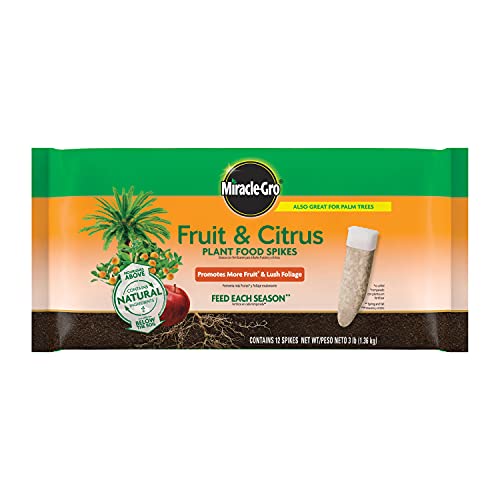
FORMULATED FOR CITRUS AND FRUIT TREES: Use these citrus fertilizer spikes on apple, orange, lemon, lime, and avocado trees; this formula is also great for feeding palm trees

Enriched with Organic Fertilizer – This lemon tree fertilizer provides nutrients for up to 6 months, so your citrus trees stay healthy and productive with minimal upkeep.

Feed the soil not the plants - stimulate microbial activity in your soil and boost probability of success with all types of plants… like composting but faster
Sandy Soil
Sandy soil has larger particles, allowing excellent drainage. It warms quickly in spring, promoting early growth. However, it retains low moisture and nutrients. If you opt for sandy soil, consider adding organic matter like compost. This improves moisture retention and nutrient availability.
Clay Soil
Clay soil consists of small particles that compact tightly. It retains moisture well but drains poorly, which can lead to waterlogged roots. If you use clay soil, incorporate organic matter and sand to improve drainage and aeration. Regular tilling can also break up compacted layers, enhancing root growth.
Loamy Soil
Loamy soil blends sand, silt, and clay, often regarded as the ideal choice for fruit trees. It retains moisture and drains well, offering essential nutrients. For optimal health, keep the loamy soil rich in organic matter. Regularly adding compost or mulch helps maintain its fertility and structure.
Nutrient Requirements for Fruit Trees
Fruit trees thrive with the right nutrients, making it essential to understand their specific needs. Key nutrients and soil pH levels play crucial roles in their growth and productivity.
Recommended Products

Accurate Soil pH Testing: Dewildetradingco Soil pH Test Strips offer measurements of soil pH levels (pH 3.5-9). As an essential tool for every gardener and grower, these test strips help determine the optimal pH for various plants, such as outdoor plants, indoor plants, gardens, grass lawns, fruit trees, flowers, vegetables, and forest shrubs.

Kindly NOTE: This soil tester can not be applied to test pH value of any other liquid. If the soil is too dry the indicator will not move, and water it before testing.

KNOW BEFORE YOU GROW | Grow the healthiest, sustainable lawn and garden with the most accurate and easy to use professional soil test kit on the market
Key Nutrients
- Nitrogen: Nitrogen supports leaf and branch growth. Apply a balanced fertilizer with nitrogen during the growing season to promote health.
- Phosphorus: This nutrient enhances root development and fruit formation. Use bone meal or a phosphorus-rich fertilizer to boost these aspects early in the season.
- Potassium: Potassium increases fruit quality and resistance to diseases. Ensure your soil contains this nutrient by incorporating potash or mineral fertilizers.
- Calcium: Calcium strengthens cell walls and prevents blossom end rot in tomatoes and peppers. Amend soil with lime or gypsum as needed.
- Magnesium: Vital for photosynthesis, magnesium can be added using Epsom salt or magnesium sulfate if deficiencies occur.
- Trace Elements: Micronutrients like iron, zinc, and manganese are necessary in smaller amounts. Test your soil and apply a micronutrient mix to address any deficiencies.
Soil pH Levels
Soil pH significantly affects nutrient availability to fruit trees. Most fruit trees prefer a pH range of 6.0 to 6.8.
- Testing pH: Conduct a soil test to determine the current pH levels. Kits are available at garden centers or through local extension services.
- Adjusting pH:
- If the soil is too acidic (below 6.0), add lime to raise the pH. Aim for a gradual increase, measuring regularly.
- If too alkaline (above 6.8), sulfur can lower the pH over time. Mix it into the soil for best results.
- Monitoring pH: Regularly test your soil every few years, especially after adding any amendments. This practice helps maintain optimal conditions for nutrient availability.
Best Soil Mixtures for Fruit Trees
Choosing the right soil mixture is vital for the health of your fruit trees. A balanced mix supports growth, drainage, and nutrient availability.
Recommended Ratios
Use a combination of the following soil types for the best results:
- Loamy Soil (40-60%): This provides a solid foundation due to its balanced characteristics.
- Sandy Soil (20-40%): Incorporates good drainage. This helps prevent root rot while allowing air circulation.
- Clay Soil (10-20%): Adds nutrient retention but should be limited to avoid drainage issues.
Mix these components thoroughly to create a blend that supports your trees’ needs.
Organic Additives
Enhance your soil with organic materials. Here are some effective additives:
- Compost: Use well-aged compost to enrich the soil with nutrients. Incorporate 2-4 inches into the top 12 inches of soil.
- Peat Moss: Adds moisture retention. Mix in a 1:1 ratio with your soil for improved structure.
- Aged Manure: Provides essential nutrients. Add 1-2 inches mixed into existing soil once a year.
- Wood Chips or Bark: These improve soil structure over time. Apply as a top layer to retain moisture.
Integrating these organic additives into your soil mixture supports healthy fruit tree growth and enhances flavor and yield.
Factors Influencing Soil Choice
Choosing the right soil for your fruit trees involves several critical factors that affect their growth and productivity. Understanding these elements helps ensure you create the optimal environment for your trees.
Climate Considerations
Climate significantly impacts soil choice. You need to consider local conditions, such as temperature, rainfall, and seasonal changes.
- Temperature: Warmer climates often favor sandy soils due to fast drainage. In contrast, cooler regions may benefit from clay soils that retain moisture.
- Rainfall: Areas with high rainfall require well-draining soils to prevent root rot. In drier climates, soil that retains moisture is essential for prolonged dry spells.
- Frost: If you live in a region prone to late frosts, select soils that warm quickly in spring to encourage early bud development, enhancing fruit production.
Tree Species Compatibility
Different fruit tree species thrive in various soil types. You must consider the specific needs of the trees you plan to plant.
- Apple Trees: These trees prefer well-drained loamy soils that are rich in organic matter for optimal growth.
- Peach Trees: They do well in sandy loam soils, which provide excellent drainage and warmth.
- Citrus Trees: These trees benefit from sandy to loamy soils, ensuring that excess water drains away to avoid root issues.
- Cherry Trees: They thrive in well-drained, loamy soils with a slightly acidic pH, around 6.0 to 6.8.
By aligning your soil choice with the specific requirements of your fruit tree species, you increase the chances of a healthy and bountiful harvest.
Conclusion
Choosing the right soil for your fruit trees is essential for their growth and productivity. By understanding the unique needs of different soil types and how they interact with your specific trees you can create an environment that promotes healthy development and delicious fruit.
Remember to regularly monitor soil quality and pH levels to ensure your trees get the nutrients they need. With a little effort in selecting the right mix and enriching your soil you’ll be well on your way to enjoying a fruitful harvest season after season. Happy gardening!
Frequently Asked Questions
What type of soil is best for fruit trees?
Loamy soil is considered the best for fruit trees due to its balanced moisture retention, drainage, and nutrient availability. It typically consists of a mix of sand, silt, and clay, providing ideal conditions for healthy growth. Regular additions of organic matter, like compost or mulch, can further enhance its fertility.
How does sandy soil affect fruit trees?
Sandy soil drains well and warms quickly in spring, making it beneficial for plant roots. However, it can dry out quickly, so it’s essential to add organic matter to improve moisture retention and nutrient availability for optimal fruit tree growth.
What are the challenges of clay soil for fruit trees?
Clay soil retains moisture effectively but drains poorly, leading to potential root rot and other issues. To improve drainage and aeration, incorporating organic matter and sand is recommended, which helps create a healthier environment for fruit trees.
How do different soil types influence fruit tree growth?
Each soil type affects fruit tree health differently. Loamy soil supports optimal growth, sandy soil provides excellent drainage, and clay soil retains moisture. Choosing the right type based on the specific needs of the tree species can significantly impact their success.
What nutrients do fruit trees need for healthy growth?
Fruit trees require essential nutrients like nitrogen, phosphorus, potassium, calcium, magnesium, and trace elements. Applying the right fertilizers during the growing season ensures these nutrients are available for the trees, promoting healthy growth and fruitful yields.
Why is soil pH important for fruit trees?
Soil pH affects nutrient availability, with most fruit trees thriving in a pH range of 6.0 to 6.8. Regular monitoring and adjusting of soil pH can help maintain optimal conditions for nutrient uptake, ensuring trees remain healthy and productive.
What is the ideal soil mixture for fruit trees?
The ideal soil mixture for fruit trees consists of 40-60% loamy soil, 20-40% sandy soil, and 10-20% clay soil. This combination supports healthy growth and nutrient availability while enhancing drainage.
How do climate conditions impact soil choice for fruit trees?
Local climate conditions, such as temperature and rainfall, influence soil selection. For example, sandy soils may be better suited for warmer climates, while clay soils can be more beneficial in cooler regions. Understanding these dynamics helps in choosing the right soil for specific fruit tree species.
What organic additives can improve soil quality for fruit trees?
Organic additives like well-aged compost, peat moss, aged manure, and wood chips can enhance soil quality. They improve moisture retention, provide essential nutrients, and support a richer ecosystem, all contributing to healthier fruit trees and better yields.
