

Have you ever looked at your fig tree and wondered why it’s not producing any fruit? You’re not alone. Many gardeners share this frustration, especially after putting in the effort to nurture their trees. Fig trees can be a delight, but when they refuse to bear fruit, it can leave you scratching your head.
Key Takeaways
- Sunlight Requirements: Fig trees require at least 8 hours of sunlight daily for optimal fruit production; ensure they are planted in a sunny location.
- Watering Practices: Aim for consistent moisture, watering deeply once a week during dry spells, but avoid overwatering to prevent root rot.
- Soil Quality: Ensure well-draining soil rich in organic matter with a pH level between 6.0 and 6.5; regular aeration is essential for root health.
- Fertilization Needs: Use balanced fertilizers that contain nitrogen, phosphorus, and potassium to address any nutritional deficiencies.
- Pest and Disease Management: Regularly monitor for symptoms of pests and diseases, employing appropriate treatments promptly to maintain tree health.
- Pruning Techniques: Prune fig trees in late winter or early spring to improve air circulation and light access, promoting better fruiting.
Reasons Why Fig Tree No Fruit
Understanding why a fig tree doesn’t produce fruit involves examining a few key factors. Here’s a closer look at environmental and soil conditions that might lead to this issue.
Recommended Products

Kindly NOTE: This soil tester can not be applied to test pH value of any other liquid. If the soil is too dry the indicator will not move, and water it before testing.

Accurate Soil pH Testing: Dewildetradingco Soil pH Test Strips offer measurements of soil pH levels (pH 3.5-9). As an essential tool for every gardener and grower, these test strips help determine the optimal pH for various plants, such as outdoor plants, indoor plants, gardens, grass lawns, fruit trees, flowers, vegetables, and forest shrubs.

✅ 1Dial & 1 LCD Screen - Replace/install all 3 batteries each time. Put button to %RH/°F to - Turn On, and put to LIGHT to - Turn Off. Read the LCD results in 3-5 mins. (Not Water Moisture Meter, so, please don't test liquid)
Environmental Factors
Fig trees thrive in specific climate conditions. Inadequate sunlight is a common issue, as these trees need at least 8 hours of sunlight daily. Insufficient sunlight can hinder fruit production. Additionally, excessive heat or cold can stress the tree, leading to poor fruit set. Protect your fig tree from extreme temperatures and ensure it receives proper sunlight exposure.
Watering practices also influence fruit production. Too much or too little water can cause problems. A fig tree needs regular watering, especially during dry spells, but the soil must drain well. Overwatering can result in root rot, limiting fruit growth.
Soil Conditions
Soil quality plays a vital role in fig tree health. Compacted soil can restrict root growth and nutrient uptake, so regular aeration is essential. The ideal soil for fig trees is well-draining, rich in organic matter, with a pH level between 6.0 and 6.5. Testing your soil can help you identify potential adjustments.
Nutritional deficiencies can further impede fruiting. Fig trees benefit from balanced fertilizers containing nitrogen, phosphorus, and potassium. A soil test can reveal what nutrients may be lacking. Use organic compost or recommended fertilizers tailored for fig trees to ensure optimal growth.
Addressing environmental factors and maintaining favorable soil conditions significantly improve the chances of your fig tree producing fruit.
Common Pests and Diseases
Fig trees can face various pests and diseases that hinder fruit production. Identifying these issues promptly helps you take necessary actions to restore your tree’s health.
Recommended Products

3-in-1 FORMULA: Aphid spray for outdoor plants for use on roses, flowers, shrubs and trees to control listed insects, disease and mites

3-IN-1 PLANT CARE: 3-In-1 Insect, Disease & Plant Mite Control provides insect control, disease control, and plant mite control all in one; Rainproof protection starts in 4 hours and lasts up to 14 days
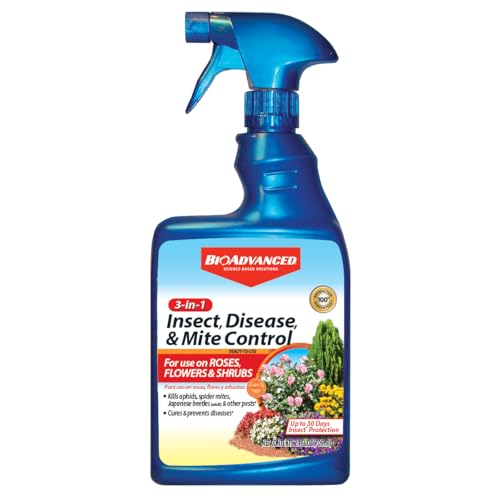
INSECT KILLER: Army worm killer. Also kills insects such as Aphids, Spider Mites, Japanese Beetles, Caterpillars, and other listed insects
Identifying Symptoms
- Leaf Spots: Watch for dark spots on leaves, indicating fungal infections like leaf blight.
- Wilting: Notice if branches droop or leaves curl. This could signal root rot from overwatering or pests attacking roots.
- Sticky Exudates: Observe a sticky residue on leaves or fruits, which can mean scale insect infestations or aphids.
- Discoloration: Detect yellowing leaves that suggest nutrient deficiencies or disease.
- Webbing: Look for fine webs among leaves, indicating spider mites.
- Fungicide Application: Use fungicides for fungal infections. Apply them according to package directions to treat leaf spots effectively.
- Pest Control: Employ insecticidal soap or neem oil for pests like aphids and spider mites. Spray during cooler parts of the day to reduce harm to beneficial insects.
- Soil Management: Improve drainage to prevent root rot. Amending soil with organic matter enhances aeration and nutrition.
- Pruning Affected Areas: Cut off affected leaves and branches. Dispose of them to reduce disease spread.
- Regular Monitoring: Inspect your fig tree weekly for any changes or symptoms. Early detection leads to more effective treatment.
By addressing pests and diseases through careful observation and treatment, you can encourage your fig tree to thrive and produce fruit efficiently.
Care and Maintenance Tips
Taking proper care of your fig tree helps promote fruiting. Implement these strategies to enhance growth and maximize fruit production.
Recommended Products

4-Hole Side Design: This high-performance tree watering spike makes it easy to deliver water and fertilizer directly to the root zone. The upgraded side-hole design helps improve watering efficiency, while the sharp tip makes it easy to push into hard or compact soil. The 4 side outlets help reduce clogging and distribute water more evenly for deep root watering and feeding.

Deep Root Irrigation with 4-Hole Design – Sharp stainless steel tip helps enter most garden soils, while the 4 side-hole outlet helps reduce clogging and delivers water or liquid fertilizer deeper into the root zone for backyard trees, fruit trees, and garden plants.

【Unique Design Deep Root Tree Watering Tool】 Our root watering tool have four exit hole for the water,won't got clogged easily,It made of stainless steel,not rusting from the inside out.It can leave in the soil and is strong enough to drive through gravel,help your plants build a strong root system .
Pruning Techniques
Pruning fig trees boosts air circulation and light exposure to branches. Aim to prune in late winter or early spring before new growth begins. Remove dead, diseased, or overlapping branches to encourage stronger ones to flourish. For young fig trees, focus on shaping the tree’s structure to support future growth.
- Cut back excess branches to train the tree’s shape.
- Trim around 20-30% of the tree’s canopy, especially the older wood.
- Focus on thinning crowded areas for improved light access.
Watering Guidelines
Proper watering directly influences fruit production. Fig trees thrive in well-drained soil but need consistent moisture, especially during fruit development.
- Water deeply once a week during dry spells, ensuring soil moisture reaches 12 inches deep.
- Check the soil’s moisture level one to two inches below the surface before watering again.
- Adjust watering frequency during rainfall or humid seasons.
By following these care and maintenance tips, you enhance the health and productivity of your fig tree, increasing the chances of rewarding fruit harvests.
Conclusion
Fig trees can be a bit tricky when it comes to fruiting but don’t lose hope. By paying attention to their specific needs and addressing any environmental or health issues, you can help your tree thrive. Regular monitoring and care can make a world of difference.
Remember that patience is key. Sometimes it takes a little time for your fig tree to adjust and start producing fruit. With the right conditions and a bit of love, you might just be rewarded with a bountiful harvest in the seasons to come. Keep nurturing your tree and enjoy the journey.
Frequently Asked Questions
Why isn’t my fig tree producing fruit?
Many factors can cause a fig tree not to bear fruit, including inadequate sunlight, poor soil conditions, extreme temperatures, and improper watering. Fig trees need at least 8 hours of sunlight daily and well-draining, nutrient-rich soil to thrive.
What are the signs of pests on my fig tree?
Signs of pest infestation include sticky residues from sap-sucking insects, webbing from spider mites, yellowing leaves, and wilting branches. Regular monitoring for these symptoms can help catch issues early.
How can I improve soil conditions for my fig tree?
To improve soil conditions, ensure it drains well and is rich in organic matter. Conduct soil tests to check for nutritional deficiencies and amend accordingly to support root growth.
When should I prune my fig tree?
Prune fig trees in late winter or early spring to promote better air circulation and light exposure. Aim to remove dead or overlapping branches and trim back about 20-30% of the canopy.
How often should I water my fig tree?
Water your fig tree deeply once a week during dry spells. Always check the soil moisture before watering again to avoid overwatering, which can lead to root rot.
What should I do if my fig tree has leaf spots?
Leaf spots may indicate fungal infections. Use fungicides to treat these issues promptly and prune any affected leaves to help prevent the disease from spreading.
Can extreme weather affect fig production?
Yes, extreme weather conditions, such as prolonged cold or heat, can impact fig production. Ensure your fig tree is planted in a suitable climate and provide adequate protection during severe weather events.
