

Have you ever watched in frustration as birds swoop down to feast on your precious fruit? You’re not alone. Many gardeners face the same challenge, and it can feel disheartening to see your hard work threatened by these feathered intruders.
Key Takeaways
- Understand Bird Attraction: Recognizing why birds are drawn to fruit trees—such as the availability of ripe fruits and safe perching spots—helps in tailoring effective protection strategies.
- Identify Common Culprits: Familiarize yourself with bird species like robins, blue jays, and sparrows that commonly target fruit trees to better prepare your defenses against them.
- Employ Physical Barriers: Utilize methods like bird netting, row covers, and fences to create protective layers that deter birds from accessing your fruit.
- Utilize Scare Tactics: Integrate visual and auditory scare tactics, such as reflective objects, sound devices, and predator decoys, to create a less inviting environment for birds.
- Implement Specialized Netting Solutions: Consider tree wraps and fruit bags that allow sunlight and air to reach fruits while providing targeted protection against birds.
- Combine and Maintain Techniques: Layer multiple strategies for optimal results and ensure regular maintenance of protective methods to adapt to changing conditions and bird activity.
Understanding The Problem
Birds can cause significant damage to fruit trees, often resulting in lost harvests. Understanding why birds are drawn to your trees helps in developing effective protection strategies.
Why Birds Target Fruit Trees
Birds seek out fruit trees for several reasons. Ripe fruits provide essential nutrients, and many birds enjoy the sweet taste. The availability of fruits combined with a safe perching site makes fruit trees attractive. Additionally, birds, such as robins and sparrows, are aware of the seasonal cycle of ripening fruits and actively search for ripe options.
Common Bird Species That Affect Fruit Trees
Several bird species commonly raid fruit trees. Here’s a list of some of the most frequent offenders:
- Robins: Known for their bright red chests, robins often feast on strawberries and cherries.
- Blue Jays: These large, colorful birds are drawn to almost any fruit, particularly berries.
- Sparrows: Small and plentiful, sparrows can quickly strip smaller fruits from trees busily.
- Starlings: These birds target grapes and tree fruits, often arriving in flocks, causing substantial damage.
- Finches: Goldfinches specifically enjoy seeds and berries, impacting your harvest as well.
Awareness of these species can help you prepare and implement protective measures against them.
Methods To Protect Fruit Trees
Protecting fruit trees from birds requires a combination of methods. These techniques help safeguard your harvest so you can enjoy the fruits of your labor.
Recommended Products

【Garden Netting Kit】7.5ft x 100ft bird netting, 3/4" fine square netting mesh to keep any small birds out. Accessories included: 10 pcs metal U shaped staples, 50 pcs zip ties

HDPE Material for Outdoor Garden Use: Made from high-density polyethylene (HDPE), RIFNY garden bird netting is designed for outdoor plant protection and repeated seasonal use. The flexible mesh is suitable for backyard gardeners, vegetable gardens, raised beds, fruit trees, blueberry bushes, flower gardens, and orchards. The black netting provides a practical barrier for protecting plants while maintaining airflow and sunlight
Physical Barriers
Using physical barriers provides one of the simplest ways to deter birds. Here are some effective options:
- Bird Netting: This lightweight mesh creates a protective layer over your fruit trees. Secure it tightly to prevent birds from getting underneath. Make sure the netting is taut to avoid trapping birds inside.
- Row Covers: Row covers not only protect from birds but also from pests and harsh weather. Ensure the covers allow sunlight and moisture to reach the trees while blocking birds.
- Fences: Installing fences can discourage some birds from entering your garden. Choose fences of sufficient height since agile birds can easily hop over low barriers.
Scare Tactics
Employing scare tactics can effectively keep birds at bay. Use these strategies:
- Reflective Objects: Hang shiny objects like aluminum foil strips, reflective tape, or old CDs around your fruit trees. The sunlight reflects off these items, causing distractions that can scare birds away.
- Sound Devices: Noisemakers or wind chimes produce sounds that can deter birds. Ensure they’re unpredictable, as birds can become accustomed to repeated sounds over time.
- Predator Decoys: Place decoys of natural predators, such as plastic owls or hawks, among your fruit trees. Move these decoys regularly to enhance their effectiveness and keep birds on alert.
Netting Solutions
Implementing specialized netting solutions addresses specific challenges with birds:
- Tree Wraps: These are a kind of netting designed to wrap around individual branches or tree trunks. They are effective for protecting ripening fruits while allowing tree growth.
- Fruit Bags: For smaller harvests, use breathable bags designed to protect individual fruits. These bags allow sunlight and air to reach the fruit while preventing birds from pecking.
By integrating these strategies, you can effectively shield your fruit trees from bird invasions.
Best Practices For Bird Protection
Protecting your fruit trees from birds requires strategic planning and consistent effort. Implementing a combination of techniques enhances effectiveness.
Recommended Products

Size: Deer netting size 7 feet x 100 feet; garden netting mesh size 3/4"; color: black; Easy to use accessories included: 10pcs installation nails & 50pcs cable ties
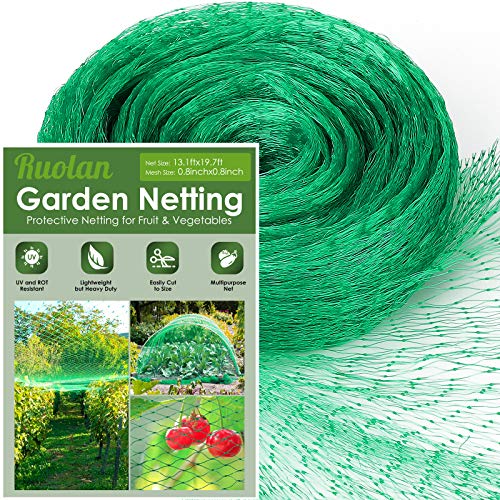
【Perfect size】(Garden Netting size 13ftX20ft, Mesh Size 0.8inchX0.8inch), Protect fruit tree plant blueberry strawberry from animals

【Garden Netting Kit】7.5ft x 25ft bird netting, 3/4" square netting mesh to keep any small birds out. Accessories included: 10 pcs metal U shaped staples, 50 pcs zip ties
Seasonal Timing
Timing plays a crucial role in bird protection. Implement strategies in early spring, just before buds begin to develop. Cover trees as fruits ripen to minimize bird access. Monitoring fruit readiness ensures timely intervention. Adjust tactics based on local bird migration patterns to maximize defenses.
Maintenance Tips
Regular maintenance keeps your protection methods effective. Inspect bird netting for holes or tears before each season. Replace worn-out scare devices promptly to maintain their effectiveness. Ensure the area around trees remains clean, as fallen fruits can attract birds. Stay vigilant for new bird species that might appear, and adapt your strategies accordingly.
Combining Techniques
Combining various protection methods often yields the best results. Use bird netting alongside reflective objects for added deterrence. Implement sound devices, such as recordings of predator calls, alongside physical barriers. Layering techniques creates a multi-faceted defense, reducing the likelihood of birds raiding your trees. Regularly assess which combinations work best in your specific environment.
Conclusion
Protecting your fruit trees from birds doesn’t have to be a daunting task. With a bit of planning and creativity you can create a protective environment that keeps those pesky birds away while still allowing your trees to thrive.
By combining different strategies like netting scare tactics and seasonal monitoring you’ll not only safeguard your harvest but also enjoy the satisfaction of seeing your hard work pay off. Remember it’s all about finding the right balance that works for your garden.
Stay proactive keep experimenting and soon you’ll be reaping the rewards of your fruit trees without the worry of bird invasions. Happy gardening!
Frequently Asked Questions
Recommended Products

Convenient Zipper and Drawstring Design---Our Fruit Tree Netting for Cicadas has a user - friendly, durable zipper. It makes accessing fruit trees & blueberry bushes easy during trimming, watering, or harvesting. No more struggling with complex closures or removing the whole net. This is especially useful for cicada protection. The attached drawstring enhances functionality, allowing you to secure the net tightly around plants. This combo ensures easy handling & a snug fit, even in windy conditions, making plant maintenance stress - free.

Extra Large Coverage: 15ft x 15ft bird netting offers full protection for large fruit trees and plants.

All-Season Netting for Garden Protection: This bird netting for garden offers year-round protection for your plants, fruits, vegetables and flowers from animals such as birds, deer, squirrels, rabbits, raccoons, poultry and other animals. The tight woven mesh design creates a strong barrier without disrupting plant growth, making it perfect for safeguarding vegetable gardens, fruit trees, flower beds, shrubs, and ponds. Ideal for protecting delicate crops such as blueberries, strawberries, and cherries, this garden netting effectively keeps unwanted critters out while supporting healthy, natural growth
Why do birds invade my garden?
Birds are attracted to gardens because ripe fruits provide essential nutrients and serve as safe perching sites. Their natural instinct is to forage for food, especially during the growing season when fruits are abundant.
What bird species commonly raid fruit trees?
Common bird species that raid fruit trees include robins, blue jays, sparrows, starlings, and finches. Knowing these species can help you prepare and implement effective protection strategies.
How can I protect my fruit trees from birds?
You can protect your fruit trees using physical barriers like bird netting, row covers, and fences. Additionally, use scare tactics such as reflective objects, sound devices, and predator decoys to deter birds.
When should I start protecting my fruit trees?
It’s best to start protecting your fruit trees in early spring. Monitor the readiness of your fruit and implement protection measures before birds have access to them.
How can I maintain my bird protection methods?
Regular maintenance involves inspecting netting for damages and replacing worn scare devices. Consistently check your protection methods to ensure they remain effective throughout the growing season.
