

Ever wondered why your citrus trees aren’t producing as much fruit as you’d hoped? You’re not alone. Many gardeners face this issue, often without realizing that proper pruning can make all the difference.
Key Takeaways
- Proper Pruning Enhances Yield: Regular pruning significantly boosts citrus fruit production and improves fruit quality by ensuring adequate sunlight and airflow.
- Timing is Key: The best times to prune citrus trees are late winter or right after harvest to prepare for new growth and shape the tree effectively.
- Essential Pruning Techniques: Utilize methods like thinning, heading back, and removing suckers to foster a healthier tree structure and optimize fruit yield.
- Right Tools Matter: Equip yourself with sharp pruning shears, loppers, and saws to make clean cuts, reducing the risk of injury and disease.
- Avoid Common Mistakes: Be mindful of pruning too early, over-pruning, and using dull tools. Ignoring tree health can lead to complications that hinder growth and productivity.
Overview Of Pruning Citrus Trees
Pruning citrus trees enhances fruit production and maintains tree health. Understanding the basics of proper pruning techniques makes a significant difference.
Benefits Of Pruning
- Increased Fruit Quality: Pruning promotes better air circulation and sunlight exposure, leading to sweeter and larger fruits.
- Improved Tree Health: Removing dead or diseased branches helps prevent pests and diseases.
- Shape Control: Pruning maintains a manageable size and shape, making harvesting easier.
When To Prune Citrus Trees
- Late Winter: Ideal for pruning just before new growth begins.
- After Harvest: Prune to shape the tree and remove any unwanted growth after you’ve collected the fruit.
Pruning Techniques
- Thin Out: Remove crowded branches to allow sunlight to penetrate.
- Heading Back: Cut back a branch to a bud for new growth; this encourages branching.
- Remove Suckers: Eliminate water sprouts or suckers emerging from the base or trunk. They steal nutrients from the tree.
Tools Needed
- Pruning Shears: Ideal for small branches.
- Loppers: Use for larger branches.
- Saw: Necessary for very thick branches.
Tips For Effective Pruning
- Always Make Clean Cuts: Use sharp tools for clean cuts to prevent injury to the tree.
- Follow Natural Shape: Prune to enhance the tree’s natural shape rather than altering it drastically.
- Step Back Often: Continuously assess your work to avoid over-pruning.
- How Much Should I Prune?: Remove no more than 20% of the tree’s total growth in a single season.
- Can I Prune Young Trees?: Yes, pruning young trees helps establish a strong structure for growth.
Applying these techniques helps you achieve healthy citrus trees with bountiful fruit production.
Benefits Of Pruning Citrus Trees
Pruning citrus trees offers multiple benefits, from improving fruit quality to enhancing tree health. Understanding these advantages helps you make informed decisions about tree care.
Improved Fruit Quality
Pruning promotes better air circulation and sunlight exposure, crucial for fruit development. When you remove overcrowded branches, remaining limbs receive more nutrients and energy. Higher-quality fruit results from this process. For instance, citrus trees can produce larger, sweeter oranges when trimmed properly. Aim to prune during late winter or after harvest for the best effects.
Enhanced Tree Health
Regular pruning improves your citrus tree’s overall health. By cutting away diseased or damaged limbs, you prevent the spread of infections. This action also encourages vigorous new growth, enhancing the tree’s structure and longevity. For example, removing suckers allows the tree to allocate more resources to fruit-bearing branches. A well-pruned tree can resist pests and diseases, ensuring a thriving garden.
Tools And Equipment Needed
Proper pruning requires the right tools to ensure effective and safe cuts. Using the correct equipment simplifies the process and contributes to healthier trees.
Recommended Products

【Multi-purpose Tree Pruner】The telescopic pole pruner has a shearing function and can be used for picking fruit and trimming high branches. The sharp blade of the fruit picking rod can easily cut branches up to 1/2 inch in diameter, and the included serrated saw blade uses double-sided cutting technology, making it easy to cut through thicker tree trunks. Its versatile design makes it an indispensable tool for gardening.
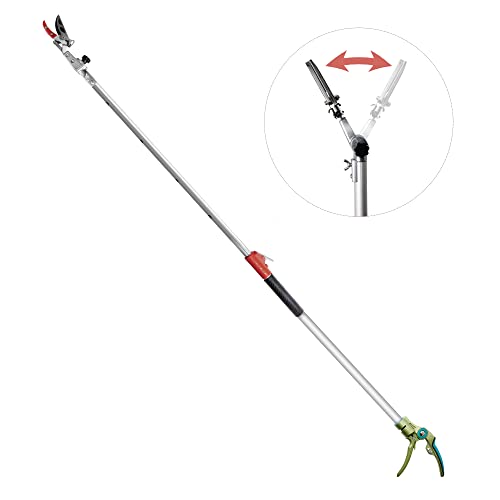
[Helpful Garden Tool] GARTOL brings to you a lightweight and extendable pruning tool to reach out to the least approachable arenas of your garden. You can conveniently get across other plants to remove the fastgrowing brambles and sting nettles without getting scratched or hurt. For gardening lovers, the telescopic pruner cutter head can can be rotated which resolves mobility issues and gives you the pleasure of trimming your garden without bending down or using a ladder to climb and cut them.
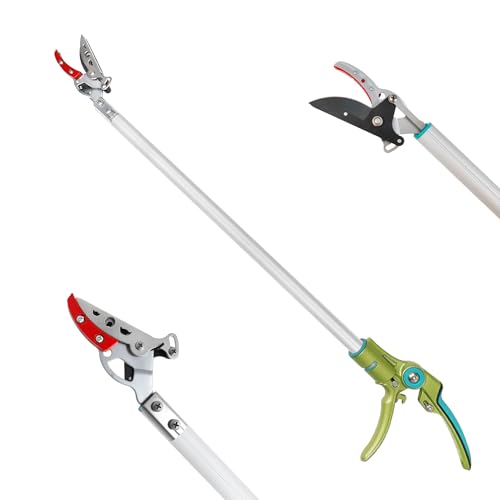
[REACH HIGH & STAY SAFE](No Ladder Required) Say goodbye to wobbly ladders! This 32inch long reach pole pruner offers an extra 30 inches of safe reach, allowing you to prune high branches or tall fruit trees while standing firmly on the ground. It’s the perfect extension tool for maintaining your backyard without the risk of falling.
Essential Pruning Tools
- Hand Pruners: Ideal for small branches up to ¾ inch thick. Choose a sharp, high-quality pair for clean cuts.
- Loppers: These help with branches up to 2 inches thick. Opt for loppers with long handles for added leverage and reach.
- Pruning Saw: Use for larger branches. A folding saw works well for accessibility and storage.
- Pole Pruner: Essential for reaching high branches. Look for adjustable lengths to suit various tree heights.
- Garden Trowel: Helpful for clearing debris and making space for better access.
- Cleaning Cloth: Keep tools clean to prevent disease spread. Wipe blades with a cloth after each cut.
- Gloves: Protect your hands from thorns and cuts. Choose durable, yet flexible gloves for comfort.
- Safety Goggles: Shield your eyes from debris while pruning. Opt for impact-resistant goggles for better protection.
- Hard Hat: Use for extra safety, especially when working under trees with potential falling branches.
- Long Sleeves: Wear long-sleeved shirts to protect skin from cuts and scrapes.
- Sturdy Footwear: Choose closed-toe shoes with good grip. This helps maintain stability while working on uneven ground.
Having the right tools and safety gear makes pruning effective and enjoyable, setting the stage for vibrant, fruitful citrus trees.
Steps To Prune Citrus Fruit Trees
Pruning citrus trees requires careful timing and techniques to ensure healthy growth and bountiful fruit. Here’s how to do it effectively.
Recommended Products

1️⃣ Extreme 2-Inch Cutting Capacity Cuts branches up to 2 inches thick with confidence. Ideal for mature hardwood, dry limbs, and heavy pruning jobs.

Powerful Compound Action Cutting – Compound leverage multiplies cutting force, making it easier to cut through thick, tough branches with less effort compared to standard loppers.

IDEAL FOR PRUNING GREEN GROWTH: Bypass blade design perfect for cutting tree branches up to 1-1/2 inches
Timing Your Pruning
Pruning citrus trees in late winter or after harvest yields the best results. Late winter pruning prepares trees for vigorous spring growth. After harvest, you can safely remove excess growth without affecting fruit production. Monitor your regional climate to adjust for any unique seasonal conditions.
- Thinning Crowded Branches: Remove overlapping or crowded branches to improve air circulation. Aim for a balanced shape while ensuring sunlight reaches all parts of the tree.
- Heading Back: Cut branches back to a healthy bud to encourage new growth. This method strengthens limbs and promotes bushier growth, benefiting overall fruit yield.
- Removing Suckers: Eliminate suckers growing from the base or trunk. These unproductive shoots divert energy from fruit-bearing branches.
- Cutting Cleanly: Use sharp tools like hand pruners or loppers to make clean cuts. Avoid tearing the bark, which can harm the tree.
- Assessing Progress: Step back frequently to evaluate your work. Ensure the tree maintains a desirable shape and that you haven’t over-pruned any areas.
- Pruning Young Trees: For young trees, focus on shaping rather than heavy pruning. Establishing a strong framework early sets the stage for future growth.
By following these steps, you’ll promote healthier citrus trees, leading to better fruit quality and quantity. Pruning effectively helps maintain the overall vitality of your garden.
Common Mistakes To Avoid
Avoiding common mistakes helps ensure successful pruning of citrus fruit trees. Here are several pitfalls to watch out for:
- Pruning at the Wrong Time: Pruning too early in the season removes necessary buds for fruit production. Focus on late winter or post-harvest pruning to promote healthy growth.
- Over-Pruning: Removing too much foliage weakens the tree. Limit cuts to about 20% of the tree’s overall canopy at any one time to maintain balance and energy for growth.
- Ignoring Tree Health: Neglecting to assess the tree’s condition leads to leaving diseased or damaged branches. Always inspect for signs of illness before beginning the pruning process.
- Using Dull Tools: Dull tools create ragged cuts that can harm the tree and attract pests. Ensure all pruning tools are sharp to make clean cuts.
- Neglecting Cleanliness: Failing to sterilize pruning tools risks spreading disease. Use a solution of one part bleach to nine parts water to clean tools between cuts, especially when working on multiple trees.
- Improper Angle Cuts: Cutting branches at steep angles leads to water buildup, increasing the risk of rot. Make cuts at a slight angle, ensuring not to cut into the branch collar to promote healthy healing.
- Forgetting to Mulch: Skipping mulch application after pruning limits moisture retention. Apply a layer of organic mulch around the base of the tree to conserve water and suppress weeds.
- Not Shaping the Tree: Leaving the tree’s shape unaddressed results in poor air circulation and sunlight exposure, which hinders fruit quality. Regularly assess and shape the tree while pruning to enhance its overall structure.
By keeping these common mistakes in mind, you enhance the health and productivity of your citrus fruit trees. Adhering to best practices makes for a fruitful gardening experience.
Recommended Products

All ingredients are registered organic

Bleach-Alcohol free

Bleach-Alcohol free
Conclusion
Pruning your citrus trees isn’t just about aesthetics; it’s a vital step toward ensuring a fruitful harvest. By following the right techniques and timing, you’ll set your trees up for success. Remember to use sharp tools and make clean cuts to promote healthy growth and prevent disease.
As you prune, keep an eye on the overall shape and health of your trees. Avoid common mistakes and give your citrus the attention it deserves. With a little care and effort, you’ll enjoy the rewards of vibrant trees and delicious fruit for years to come. Happy gardening!
Frequently Asked Questions
What is the impact of pruning on citrus trees’ fruit production?
Pruning significantly enhances the fruit yield of citrus trees. It improves air circulation and sunlight exposure, which are vital for fruit development. By removing overcrowded branches, healthy limbs receive more nutrients, resulting in larger, sweeter fruit.
When is the best time to prune citrus trees?
The optimal times for pruning citrus trees are late winter and after the harvest. These periods allow the trees to recover quickly and promote vigorous growth, setting the stage for a fruitful season.
What are the essential pruning techniques for citrus trees?
Effective pruning techniques include thinning out crowded branches for better air circulation, heading back limbs to encourage new growth, and removing suckers that divert energy. Each technique helps maintain tree health and improve fruit quality.
What tools are needed for pruning citrus trees?
Essential pruning tools include hand pruners, loppers, pruning saws, pole pruners, and garden trowels. It’s also important to have safety gear like gloves, safety goggles, and sturdy footwear to ensure a safe pruning experience.
How can I improve my citrus trees’ health through pruning?
Regular pruning improves citrus trees’ health by removing diseased or damaged limbs, which prevents the spread of infections. Healthy trees are more vigorous and better equipped to resist pests and diseases.
What mistakes should I avoid when pruning citrus trees?
Common mistakes to avoid include pruning at the wrong time, over-pruning, neglecting tree health, and using dull or dirty tools. Additionally, improper angle cuts and forgetting to shape the tree can hinder fruit quality and health.
Can young citrus trees benefit from pruning?
Yes, young citrus trees benefit from pruning. Focus should be on shaping rather than heavy pruning to establish a strong framework for future growth. This sets them up for healthier and more productive years ahead.
