

Have you ever picked a ripe fruit from your tree only to find it crawling with maggots? It’s frustrating and can ruin your harvest. You’re not alone in this battle against these pesky pests, and taking proactive steps can save your fruit from becoming their next meal.
Key Takeaways
- Understanding Maggots: Familiarize yourself with common maggot types like the Apple Maggot, Cherry Fruit Fly, and Peach Fruit Fly to better manage infestations.
- Life Cycle Awareness: Recognize the four stages of a maggot’s life cycle (egg, larva, pupation, adult) to target preventive measures effectively.
- Preventive Importance: Implementing prevention strategies protects the health of fruit trees and ensures quality produce, preventing significant economic losses.
- Effective Prevention Strategies: Utilize cultural practices, physical barriers, and organic treatments—like neem oil or sticky traps—to deter maggots from fruit trees.
- Regular Monitoring: Conduct frequent inspections for signs of infestation such as soft or decaying fruit and entry holes to catch problems early.
- Timely Intervention: Employ effective inspection techniques (visual inspections, fruit sampling, sticky traps) for early detection, enabling prompt action against maggot infestations.
Understanding Maggots in Fruit Trees
Maggots in fruit trees can quickly ruin your harvest. Knowing their types and life cycle helps you take preventative measures.
Common Types of Maggots
- Apple Maggot: This pest affects apples and pears. You’ll spot them as small, brownish flies that lay eggs directly on ripe fruit.
- Cherry Fruit Fly: This maggot targets cherries. Look for small, dark fruit with entry holes, indicating the presence of larvae inside.
- Peach Fruit Fly: This insect primarily impacts peaches. Infested fruit may appear soft or have a decayed appearance.
Life Cycle and Behavior
Maggots go through distinct stages in their life cycle. Adult flies lay eggs on or near fruit. Eggs hatch into larvae, commonly known as maggots, which penetrate the fruit and feed on it.
- Egg Stage: Female flies lay eggs on fruit during warm months.
- Larva Stage: After hatching, maggots feed for several days, damaging the fruit.
- Pupation Stage: Maggots eventually drop from the fruit to pupate in the soil. This can occur in late summer.
- Adult Stage: Once matured, adult flies emerge, starting the cycle anew.
Understanding these stages allows you to target specific moments for control measures.
Importance of Prevention
Preventing maggots in fruit trees is crucial for maintaining the health and productivity of your crops. Taking proactive measures protects your harvest and enhances your overall gardening experience.
Impact on Fruit Quality
Maggots feed on fruit, leading to significant quality deterioration. Infested fruit may develop soft spots, become discolored, or display signs of decay. For example, apples with apple maggot infestations show brown trails beneath the skin, ruining their appearance and taste. Preventing maggots ensures your fruit remains fresh, appealing, and safe for consumption.
Economic Consequences
The presence of maggots can result in financial losses. Reduced fruit quality often leads to lower market prices, as consumers prefer undamaged produce. Additionally, the increased cost of pest control and potential crop loss can strain your budget. For instance, a single infested tree can yield less than 50% of its potential harvest. Implementing prevention strategies safeguards your investment, maximizing both yield and profits.
Effective Prevention Strategies
Preventing maggots in fruit trees requires a combination of cultural practices, physical barriers, and organic treatments. Implementing these strategies keeps your harvest healthy and fruitful.
Recommended Products

Yellow Sticky Traps -- Bright yellow color attract flying insects, and high quality glue keeps them from escaping. Specially designed for flying plant pests. Great for outdoor or indoor plant, especially potted plants.

20pcs of yellow sticky traps specially designed to catch flying plant insects effectively. Ideal for outdoor plants and houseplants.
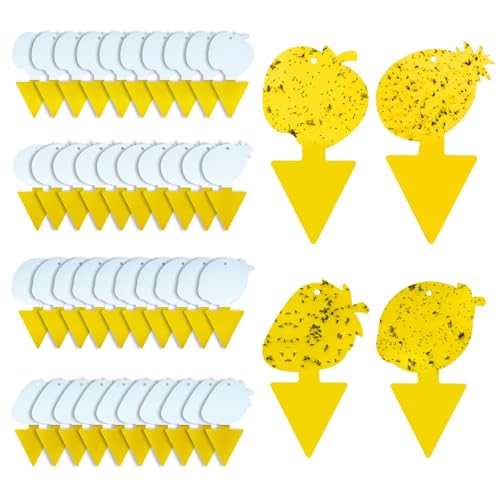
Powerful Insect Control: Captures fruit flies, gnats, whiteflies, aphids, midges, and other small flying pests using bright yellow color and extra-sticky glue
Cultural Practices
Utilize proper sanitation techniques, such as picking up fallen fruit promptly. Dispose of infested fruit away from your trees to reduce maggot populations. Ensure proper orchard maintenance by spacing trees adequately for good air circulation. Rotate crops periodically to prevent maggot buildup in the soil. Regularly monitor trees for signs of fruit flies and promptly take action.
Physical Barriers
Install tree wraps or sticky traps around the trunks of your fruit trees. This traps adult flies and prevents them from laying eggs on your fruits. Construct cloth or mesh covers over individual fruits or whole branches to create a barrier against pests. Ensure these materials allow sunlight and moisture to reach the fruits but keep maggots out.
Organic Treatments
Apply organic insecticides, such as neem oil or insecticidal soap, to your trees. These treatments target maggots and their adult forms without harming beneficial insects. Use beneficial nematodes in the soil to parasitize maggot larvae. This natural method helps control pest populations effectively. Maintain a diverse garden ecosystem to encourage natural predators, like birds and beneficial insects, which help keep maggot numbers at bay.
Monitoring and Early Detection
Monitoring your fruit trees regularly helps catch potential maggot problems early. It’s essential to observe both the trees and the surrounding environment.
Recommended Products
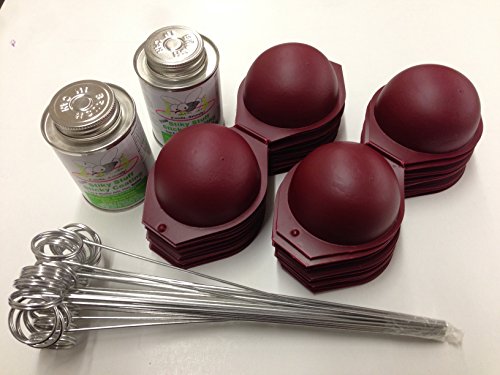
Effective way to capture damaging insects.

[Catches Fungus Gnats & Flying Pests On First Contact]: Super-sticky, double-sided adhesive intercepts gnats, fruit flies, whiteflies, aphids, thrips, and midges the instant they land - on both sides at once, with no bait or batteries. Reviewers across kitchens, bathrooms, and plant rooms report catches beginning within hours of first placement.

[Catches Gnats, Fruit Flies, Whiteflies And More] Yellow sticky traps with top-grade adhesive grab fungus gnats, aphids, fruit flies, thrips, and whiteflies on contact from both faces. Place each card at soil level near drainage holes for fastest results. Works for indoor plants and outdoor gardens.
Signs of Infestation
Look for visible signs of maggot activity. Common indicators include:
- Soft or Decaying Fruit: Ripe fruits develop soft spots, discoloration, or a shriveled appearance.
- Exit Holes: Small holes on the surface suggest that maggots have burrowed into the fruit.
- Fruit Droppage: Fallen fruit under the tree may harbor maggots or larvae.
These signs often appear before significant damage occurs. Check your trees frequently to assess fruit quality and the potential presence of maggots.
Inspection Techniques
Effective inspection techniques enhance early detection. Use the following methods:
- Visual Inspection: Examine fruits closely, looking for soft spots, blemishes, or exit holes.
- Fruit Sampling: Gently squeeze fruits to feel for abnormalities. Discard any that seem infested.
- Sticky Traps: Place yellow sticky traps nearby to catch adult flies, which helps gauge the pest population.
Regularly inspecting your trees and employing these techniques keeps you informed. Early detection leads to timely intervention, minimizing potential infestations.
Conclusion
Keeping maggots at bay in your fruit trees is all about being proactive and attentive. By adopting good practices like regular inspections and proper sanitation you can significantly reduce the risk of infestations.
Using physical barriers and organic treatments not only protects your fruit but also nurtures a healthy garden ecosystem. Remember that early detection is key so stay vigilant and check your trees often.
With these strategies in place you can enjoy a bountiful harvest free from the frustration of maggots. Happy gardening and may your fruit trees thrive!
Frequently Asked Questions
What are maggots and why are they found in fruit?
Maggots are the larval stage of certain flies, including the Apple Maggot, Cherry Fruit Fly, and Peach Fruit Fly. They are commonly found in ripe fruit because female flies lay eggs on or inside the fruit. Once the eggs hatch, the larvae feed on the fruit, causing damage and decay.
How can I prevent maggots in my fruit trees?
To prevent maggots, practice good sanitation by promptly removing fallen fruit and disposing of infested ones. Use physical barriers like tree wraps, sticky traps, and mesh covers. Implement organic treatments, such as neem oil, and maintain a diverse garden ecosystem to promote natural predators.
What are the signs of maggot infestation in fruit?
Signs of maggot infestation include soft, decaying fruit, exit holes on the fruit’s surface, and fallen fruit beneath the tree. Regular inspections can help identify these issues early, allowing for prompt action to prevent further damage.
How do maggots affect fruit quality?
Maggots can significantly decrease fruit quality by causing soft spots, discoloration, and decay. Infested fruit may look unappealing and taste bad, leading to economic losses due to lower market prices and increased pest control costs.
What is the life cycle of fruit maggots?
The life cycle of fruit maggots consists of four stages: egg, larva, pupation, and adult. Understanding this cycle can help growers implement targeted control measures at critical times, enhancing their ability to protect their fruit harvest effectively.
