

Banana trees can thrive in Sacramento, CA, provided specific conditions are met. The region’s climate, characterized by hot summers and mild winters, can support banana tree growth if proper care and techniques are applied.
Sacramento Climate Insights for Banana Growth
Sacramento experiences a Mediterranean climate, which is generally favorable for growing banana trees. The summer months can reach high temperatures, while winters are mild but can occasionally dip below freezing. Understanding these climate patterns is crucial for successful banana cultivation.
Banana trees prefer temperatures between 75 and 95 degrees Fahrenheit. During winter, protecting them from frost is essential. Here are key climate considerations:
Frost Protection: Use frost cloths or move pots indoors during cold snaps.
Sunlight Requirements: Ensure at least 6-8 hours of direct sunlight daily.
Soil Type: Well-draining, loamy soil is ideal.
Choosing Banana Tree Varieties for Sacramento
Selecting the right banana tree varieties is crucial for successful growth in Sacramento’s unique climate. With its warm summers and mild winters, the region offers opportunities for specific types of bananas that thrive in these conditions. Understanding which varieties are best suited can help ensure a fruitful harvest and vibrant foliage in your garden.
Choosing the appropriate variety of banana tree is vital for successful growth in Sacramento. Some varieties are more resilient to cooler temperatures and can adapt better to local conditions.
Consider these popular banana varieties:
| Variety | Height | Cold Tolerance | Flavor Profile |
|---|---|---|---|
| Cavendish | 6-10 ft | Moderate | Sweet |
| Dwarf Brazilian | 4-6 ft | High | Sweet |
| Red Dacca | 6-10 ft | Low | Sweet, Berry-like |
| Ice Cream | 6-8 ft | Moderate | Creamy, Sweet |
Recommended Products
![Greenwood Nursery: Live Perennial Plants - Musa Basjoo Cold Hardy Banana - [Qty: 2X Pint Pots] - (Click for Other Available Plants/Quantities)](https://m.media-amazon.com/images/I/51cl7jVVE3L._SL500_.jpg)
🌿 [INFO1] - Gives a tropical look to your garden. Grows from the Southern U.S. all the way to the southern part of Canada. A hardy Flowering Banana plant provides a tropical plant or jungle garden feel for pool landscapes, zen gardens and also makes an excellent container plant for porches, decks, patios & sunny areas of the house. The yellow orange flowers will produce small ornamental fruits that are not edible.

Beautiful and exotic banana: Ethiopian banana, Abyssinian banana, pseudo-banana, fake banana and wild banana, is a herbaceous flowering plant species of the Musaceae banana family
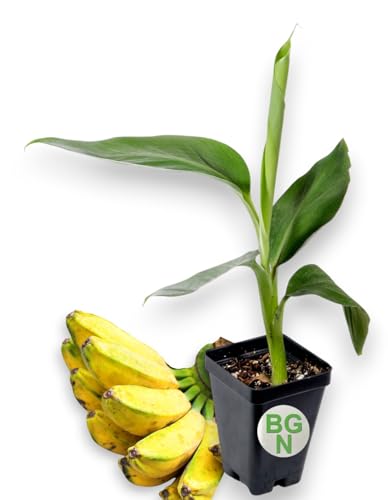
Size and Growth: The California Gold Banana plant is compact yet striking, reaching a mature height of about 5 to 7 feet. This manageable size makes it perfect for smaller spaces, urban gardens, or even as a potted plant on patios and balconies. Despite its smaller stature compared to other banana varieties, it delivers lush, wide leaves that lend a distinctly tropical feel to any setting.
Optimal Soil Mix for Banana Trees
Growing banana trees in Sacramento requires attention to the right soil conditions to ensure healthy growth and fruit production. An optimal soil mix can significantly impact the tree’s ability to thrive in the region’s climate. Understanding the ideal composition will help gardeners create a supportive environment for their banana plants.
Soil preparation is a crucial step in ensuring the health of banana trees. The right soil mix can enhance drainage and provide essential nutrients.
Follow these steps to prepare your soil:
Test Soil pH: Aim for a pH between 5.5 and 7.0.
Amend Soil: Incorporate organic matter like compost or well-rotted manure.
Ensure Drainage: Mix in sand or perlite to improve drainage.
Banana trees thrive in nutrient-rich, well-drained soil. Regular testing and amendments can lead to better growth.
Recommended Products

100% Natural: Custom blend for your indoor potted banana trees

100% Natural: Custom blend for your indoor potted banana trees

INDOOR GROWING: Growing indoors is easy under the right conditions; Miracle-Gro Houseplant Potting Mix is an indoor plant potting soil that combines key elements container plants need to thrive
Irrigation Strategies for Sacramento Banana Trees
Irrigation is crucial for the successful growth of banana trees in Sacramento’s unique climate. Understanding the specific water needs and effective irrigation techniques can make a significant difference in achieving healthy, productive plants. This section explores tailored strategies to ensure your banana trees thrive in the Sacramento environment.
Proper watering is essential for banana trees, especially in Sacramento’s hot climate. Overwatering can lead to root rot, while underwatering can stress the plant.
Implement these watering techniques:
Frequency: Water deeply once a week, adjusting based on rainfall.
Method: Use drip irrigation or soaker hoses to deliver water directly to the roots.
Mulching: Apply a layer of mulch to retain moisture and regulate soil temperature.
Monitoring soil moisture levels will help maintain optimal hydration for your banana trees.
Recommended Products
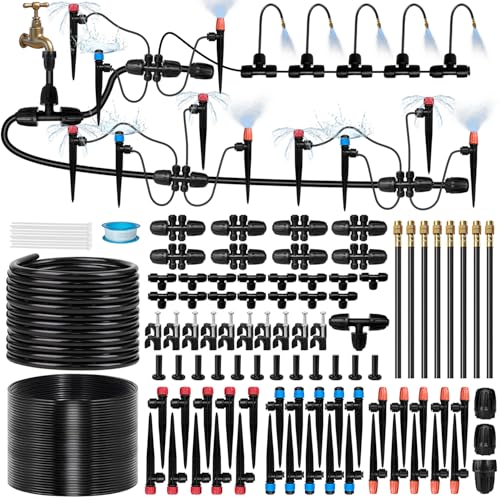
【Upgraded Tube Design & Water Saving】 Our garden watering system is upgraded to 1/2” diameter to support high water pressure. The 1/2” tee connector allows seamless splitting into 2 independent zones for customized watering schedules. By delivering moisture directly to root zones, this drip Irrigation system significantly reduces evaporation and runoff—saving more water compared to conventional sprinklers while eliminating the need for manual watering.
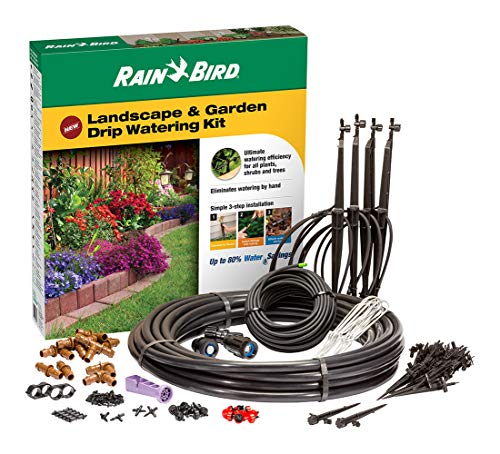
Comprehensive 108-piece kit for flower beds, gardens and landscaped areas; eliminates hand watering, saves time and money

NO MORE HARD INSTALLATION - SET UP IN MINUTES. Tired of struggling with stiff barbed fittings? This drip irrigation system features quick-connect fittings that let you push, lock, and secure tubing effortlessly. No tools, no leaks, just a smooth setup experience. Enjoy a frustration-free installation and get your garden watering system running in minutes.
Banana Tree Fertilization Techniques for Sacramento
Fertilizing banana trees in Sacramento requires a tailored approach to meet the local climate and soil conditions. Understanding the specific nutrient needs of these tropical plants can significantly enhance their growth and fruit production. This section explores effective fertilization techniques that can help ensure healthy banana trees thrive in the Sacramento area.
Fertilization is key to promoting healthy banana tree growth. A balanced approach will ensure the trees receive the nutrients they need.
Use the following fertilization strategies:
Type of Fertilizer: Choose a balanced fertilizer with equal parts nitrogen, phosphorus, and potassium.
Application Frequency: Fertilize every 6-8 weeks during the growing season.
Organic Options: Consider using fish emulsion or seaweed extract for added nutrients.
Regular fertilization will support robust growth and fruit production.
Pest Control Strategies for Banana Trees
Effective pest control is essential for the successful cultivation of banana trees in Sacramento, CA. Given the region’s unique climate and potential pest challenges, understanding targeted strategies can help protect these plants from common threats. This section explores practical methods to ensure your banana trees thrive while minimizing pest-related issues.
Banana trees can be susceptible to various pests and diseases. Being proactive in management can prevent significant damage.
Common issues include:
Pests: Aphids and spider mites can affect banana trees. Use insecticidal soap for control.
Diseases: Fungal infections like Panama disease require immediate action. Remove affected plants to prevent spread.
Regularly inspect your banana trees for signs of trouble. Early intervention is crucial for maintaining plant health.
Banana Harvest Timing for Optimal Flavor
Understanding the timing of banana harvest is crucial for achieving optimal flavor, especially in a climate like Sacramento’s. The right moment to pick bananas can significantly enhance their sweetness and texture, making the difference between a mediocre fruit and a delicious treat. This section delves into the best practices for harvesting bananas to ensure the finest taste.
Once your banana trees mature, harvesting can begin. Timing is essential for optimal flavor and texture.
Follow these guidelines for harvesting:
Ripeness Indicators: Bananas turn from green to yellow and develop a slight sheen.
Cutting Technique: Use a sharp knife to cut the bunch, leaving a small portion of the stem attached.
Post-Harvest Care: Store bananas at room temperature to ripen further.
Enjoying your homegrown bananas is rewarding and adds a fresh taste to your meals.
Ongoing Care for Banana Tree Success
To ensure banana trees thrive in Sacramento’s climate, ongoing care is essential. This includes proper watering, fertilization, and protection from pests. Understanding the specific needs of these tropical plants will help you cultivate a healthy and productive banana tree garden.
Regular monitoring of your banana trees is essential for long-term success. Adapting care practices based on observations will enhance growth.
Key actions include:
Regular Inspections: Check for pests, diseases, and nutrient deficiencies.
Adjusting Care: Modify watering and fertilization based on seasonal changes.
Record Keeping: Maintain a log of growth patterns and care practices for future reference.
Staying attentive to your banana trees will lead to fruitful outcomes.
