

Have you ever wished for a fruit that could turn sour into sweet? The miracle fruit tree might just be your answer. This unique plant produces berries that can transform your taste buds, making everything from lemons to vinegar taste sugary sweet. Imagine hosting a fun tasting party where your friends are amazed by this magical experience.
Key Takeaways
- Miracle Fruit Benefits: The miracle fruit tree produces berries that make sour foods taste sweet, providing a fun and unique flavor experience ideal for gatherings and tastings.
- Ideal Growing Conditions: Choose a sunny location with well-draining, acidic soil (pH 5.5 – 6.5) for successful planting and growth of miracle fruit trees.
- Planting Steps: Follow a systematic planting process, including selecting a healthy sapling, preparing a proper planting hole, and ensuring adequate watering and soil drainage.
- Consistent Care: Maintain regular watering (1-2 times a week) and fertilization, utilizing slow-release or organic fertilizers to promote healthy growth.
- Pruning and Pest Management: Prune annually to encourage growth and manage pests by inspecting regularly and using organic methods for control.
- Harvesting Tips: Harvest berries when they are bright red and soft, typically 2-3 months after flowering, ensuring gentle handling to prevent damage.
Understanding Miracle Fruit Trees
Miracle fruit trees are intriguing plants known for their unique ability to transform taste perceptions. The berries from these trees induce a sweet flavor in sour foods, making them a delightful addition to a garden.
Types of Miracle Fruit Trees
- Synsepalum dulcificum: This is the most common type, native to West Africa. It produces small, red berries that contain a glycoprotein called miraculin, responsible for altering taste.
- Hybrid Varieties: Some growers hybridize the miracle fruit tree with other fruit trees to create unique flavor profiles and enhance growth conditions. These hybrids may combine characteristics from different plants, yielding diverse fruit options.
- Unique Flavor Experience: You can enjoy the novelty of sour foods tasting sweet. It’s a fun way to enhance food experiences during tastings or parties.
- Ornamental Appeal: The tree features lush foliage and attractive berries, providing aesthetic value in your garden or landscape.
- Nutritional Value: Berries are low in calories and packed with vitamins. They offer health benefits while being a unique addition to your diet.
- Home Gardening Opportunity: Growing miracle fruit trees can be a rewarding project, whether in a backyard or pots on a patio. They thrive in warm climates or indoor gardens with sufficient light.
Preparing to Plant
Preparing to plant your miracle fruit tree involves choosing the ideal location and ensuring the right soil conditions. Follow these steps for successful growth.
Recommended Products

Enriched with Organic Fertilizer – This lemon tree fertilizer provides nutrients for up to 6 months, so your citrus trees stay healthy and productive with minimal upkeep.


🌱 High-Quality Ingredients: Our Banana Tree Potting Mix is carefully crafted using premium ingredients such as Canadian Peat Moss, New Zealand Bark, Worm Castings, Perlite, Sand, and Lime, ensuring optimal nutrition and growth for your banana trees.
Choosing the Right Location
Choose a sunny spot with at least 6 to 8 hours of direct sunlight daily. Miracle fruit trees thrive in warm conditions. Look for areas with partial shade during the hottest part of the day to protect the tree from heat stress. Ensure good air circulation to prevent fungal diseases. Avoid low-lying areas where cold air settles. Select a location away from strong winds to prevent damage to the delicate branches.
Soil Requirements
Use well-draining, acidic soil with a pH level between 5.5 and 6.5. Mix equal parts of peat moss, pine bark, and perlite to create the ideal soil mix. This combination offers good drainage, aeration, and moisture retention. Test the soil pH before planting; if necessary, amend with sulfur to lower pH or lime to raise it. Ensure the planting area is free of weeds and debris to give your miracle fruit tree the best start for healthy growth.
Planting Process
Planting a miracle fruit tree involves a few straightforward steps. Following a methodical approach helps ensure successful growth.
Recommended Products

Fragrant Flowers: Bloom blossoms that provide precious nectar for pollinators like bees, creating your own romantic orchard with heavy fruit and rich flavor
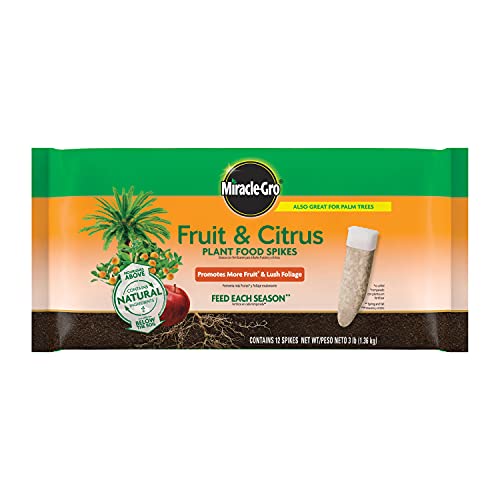
FORMULATED FOR CITRUS AND FRUIT TREES: Use these citrus fertilizer spikes on apple, orange, lemon, lime, and avocado trees; this formula is also great for feeding palm trees
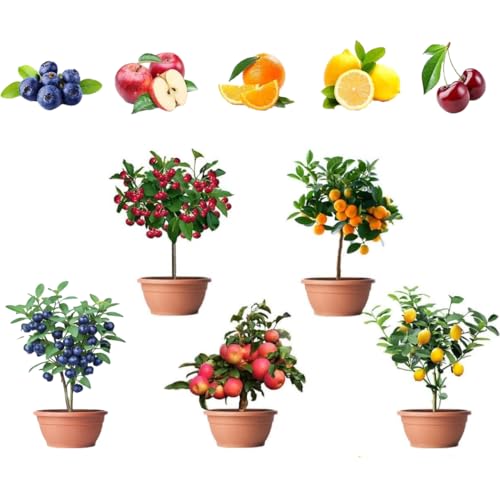
Variety Pack of 5 Fruits: Includes 40 Lemon seeds, 40 Orange seeds, 40 Apple seeds, 20 Cherry seeds, and 20 Blueberry seeds for a colorful and diverse home garden
Step-by-Step Planting Guide
- Select a Young Plant: Choose a healthy miracle fruit sapling from a reputable nursery. Look for a plant between 1 to 2 years old for the best results.
- Prepare the Planting Hole: Dig a hole that’s about twice as wide and as deep as the root ball. This encourages root expansion and development.
- Check Drainage: Ensure that the hole allows for proper drainage. You can add sand or perlite to the native soil to enhance drainage, particularly in heavier soils.
- Position the Plant: Place the sapling in the hole, ensuring the root ball is level with the surrounding ground. Avoid burying the crown of the plant, as this can cause rot.
- Backfill with Soil: Fill the hole with the prepared soil mix. Gently press the soil around the roots to eliminate air pockets without compacting it too much.
- Water Thoroughly: After planting, provide a deep watering to establish the plant. Ensure the water soaks into the soil, but avoid waterlogging.
- Add Mulch: Apply a layer of organic mulch, like pine bark or wood chips, around the base to help retain moisture and suppress weeds.
- Provide Support: If necessary, stake the young tree to prevent it from leaning in strong winds during its initial growth.
Watering and Fertilization
Watering must be consistent yet moderate. Keep the soil moist but not saturated. Here’s how to manage it effectively:
- Watering Schedule: Water the tree 1 to 2 times a week, adjusting frequency based on rainfall and temperature. Monitor the soil moisture; it should feel damp but not soggy.
- Fertilization: Use a balanced, slow-release fertilizer designed for acid-loving plants. Apply it in early spring and mid-summer. Follow the recommended dosage based on the product instructions.
- Organic Fertilizers: Consider using fish emulsion or compost as organic alternatives. These options enrich the soil and promote healthy growth.
With these steps, you can ensure your miracle fruit tree thrives and begins to produce its unique, taste-changing berries.
Caring for Your Miracle Fruit Tree
Caring for your miracle fruit tree involves regular maintenance to ensure optimal growth and fruit production. Focus on proper pruning and effective pest management to keep your tree healthy.
Recommended Products

· ULTRA-SHARP SK5 STAINLESS STEEL - Engineered with premium SK5 stainless steel, these heavy duty pruning shears deliver razor-sharp precision and maximum hardness. The rust-resistant blades are designed to stay sharp longer, effortlessly resisting corrosion and sap buildup for smooth, friction-free garden shears performance year after year.

DUAL CUTTING POWER: VERSATILE PRUNING COMBO --- With both Pruning Shears and Pruning Snip, this combo delivers unmatched versatility. Whether you're delicately trimming flowers and shrubs, tackling thicker tree branches, or tending to your vegetable and fruit garden, our combo pack excels in all areas. They're also perfect for landscaping projects and maintaining the health and appearance of indoor plants. With this pack, you have a versatile tool that simplifies your gardening tasks.

ULTRA SHARP - Much less effort to cut branches with our pruning shears. Crafted from premium SK5 steel with titanium coating, our garden scissors and garden clippers boast exceptional durability and sharpness. A perfect pruning shears for gardening and a must-have garden tool, hedge clippers pruners for gardening
Pruning Techniques
Pruning encourages healthy growth and improves air circulation. Follow these techniques for effective pruning:
- Cut Back Dead Branches: Remove any dead or damaged branches to promote new growth.
- Thin Out Dense Foliage: Trim excess leaves to allow sunlight to reach inner branches, which helps with fruit development.
- Maintain Shape: Shape the tree to encourage a balanced structure and prevent overcrowding.
- Use Clean, Sharp Tools: Always use sanitized pruning shears to avoid transmitting diseases. Ensure your tools are sharp to make clean cuts.
Aim to prune your tree once a year during the dormant season, usually in late winter or early spring.
Pest and Disease Management
Pest and disease management protects the health of your miracle fruit tree. Implement these strategies to manage potential issues:
- Inspect Regularly: Examine the leaves and stems for signs of pests like aphids or spider mites. Early detection is key.
- Introduce Beneficial Insects: Release ladybugs or predatory mites to control harmful pest populations naturally.
- Use Organic Pesticides: When necessary, apply organic options like neem oil or insecticidal soap. Be cautious and follow the instructions on labels for safety.
- Practice Good Hygiene: Clean up fallen leaves and debris around the tree to reduce disease risks.
Monitor your tree closely, as timely interventions can prevent larger infestations or disease outbreaks. By maintaining care in both pruning and pest management, you’ll foster a thriving miracle fruit tree.
Harvesting the Fruits
Harvesting your miracle fruit berries is a rewarding part of growing this unique tree. Time your harvest for the best flavor and texture of the berries.
When to Harvest
Harvest berries when they turn bright red and are slightly soft to the touch. Usually, this occurs about 2 to 3 months after the flowers bloom. Monitor your tree regularly, as berries ripen at different rates. Look for signs like color change and softness as cues for readiness.
How to Properly Harvest
To harvest, gently twist or pull the berries from the branch. Avoid yanking, as this can damage the plant. Use pruning shears if necessary for harder-to-reach spots. Collect berries in a container to avoid bruising them. Store harvested berries in a cool, dry place. Enjoy them fresh or share their unique taste-transforming properties at a tasting event.
Conclusion
Growing a miracle fruit tree can be an exciting addition to your gardening journey. With its unique berries that transform flavors and its beautiful appearance, it’s sure to be a conversation starter.
By following the planting and care tips provided, you’ll create the perfect environment for your tree to thrive. Remember to enjoy the process and celebrate each step along the way.
Before you know it, you’ll be harvesting those vibrant red berries and sharing the joy of their taste-altering magic with friends and family. Happy gardening!
Frequently Asked Questions
What is a miracle fruit tree?
Miracle fruit trees, particularly the Synsepalum dulcificum species, produce red berries that contain miraculin, a glycoprotein that alters taste perceptions, making sour foods taste sweet. This unique property makes them a fascinating addition to culinary experiences and tasting parties.
How do you grow a miracle fruit tree?
To grow a miracle fruit tree, choose a sunny location with good air circulation and well-draining, acidic soil. Plant a healthy sapling, ensuring proper drainage and positioning. Water consistently but moderately, and use fertilizers suitable for acid-loving plants.
What are the nutritional benefits of miracle fruit berries?
Miracle fruit berries are low in calories and rich in vitamins, making them a nutritious option. Their unique properties can enhance culinary enjoyment during tastings while offering health benefits.
How do you care for a miracle fruit tree?
Caring for a miracle fruit tree involves regular watering, balanced fertilization, and annual pruning. Inspect the tree for pests and diseases, maintaining good hygiene and introducing beneficial insects as needed to ensure optimal health and growth.
When should you harvest miracle fruit berries?
Harvest miracle fruit berries when they turn bright red and feel slightly soft, usually 2 to 3 months after flowering. For picking, gently twist or pull the berries to avoid damaging the plant, using pruning shears for those hard-to-reach spots.
How can you host a tasting party with miracle fruit?
To host a tasting party, prepare a variety of sour foods to experience the taste-transforming effects of miracle fruit berries. Provide each guest with a berry and encourage them to taste the sour foods afterward for a delightful, shared experience.
