

Have you ever wanted to grow fruit trees but felt limited by space? Espalier might be the perfect solution for you. This technique not only saves room but also creates a stunning visual display in your garden.
Key Takeaways
- Understanding Espalier: This technique allows fruit trees to grow flat against structures, optimizing space for small gardens and urban settings.
- Benefits of Espalier: Key advantages include maximized space use, enhanced sunlight exposure, improved air circulation, and an aesthetically pleasing garden display.
- Ideal Fruit Trees: The best options for espalier include apple (like ‘Cox’s Orange Pippin’), pear (‘Bartlett’), cherry (‘Stella’), and plum (‘Santa Rosa’) varieties.
- Training Techniques: Proper training involves selecting young trees, establishing a support system, regular pruning, tying branches, and monitoring tree health.
- Climate Compatibility: Choose trees that thrive in your local climate for the best growth results when practicing espalier gardening.
Understanding Espalier
Espalier is a gardening technique that trains trees to grow flat against a structure, such as a wall or fence. This method allows for efficient use of space, making it perfect for small gardens or urban areas. You can create beautiful, functional displays while still growing fruit.
Benefits of Espalier
- Maximized Space: Espalier takes advantage of vertical areas. This technique allows you to grow fruit trees in tight spots.
- Enhanced Sunlight Exposure: Flat growth spreads foliage evenly, ensuring all parts of the tree receive adequate sunlight.
- Improved Air Circulation: Proper spacing between branches reduces disease risk by increasing airflow.
- Aesthetic Appeal: Detailed shapes can add elegance and charm to your garden.
Suitable Fruit Trees for Espalier
Choosing the right fruit trees is crucial for successful espalier. Here are some ideal options:
- Apple: Varieties like ‘Cox’s Orange Pippin’ or ‘Granny Smith’ adapt well to espalier. They’re hardy and produce abundant fruit.
- Pear: ‘Bartlett’ and ‘Bosc’ pears thrive in this format, offering sweet, juicy fruits.
- Cherry: ‘Stella’ and ‘Lapins’ cherries can be effectively trained into espalier forms with support.
- Plum: ‘Santa Rosa’ and ‘Methley’ plums grow well in constrained spaces and prove fruitful.
Training Techniques
Training your trees requires patience and consistent care. Follow these simple steps:
- Select Your Trees: Choose young trees with strong central leaders.
- Establish a Support System: Use trellis, wires, or sturdy fencing to guide growth.
- Prune Regularly: Trim branches to maintain shape and encourage lateral growth. Focus on vertical branches as you train them to grow horizontally.
- Tie Branches: Use soft ties to secure branches to the trellis without damaging them.
- Monitor Health: Regularly check for pests or disease to ensure robust growth. Act quickly if issues arise.
- How Long Until I See Results? It often takes three to five years for trees to mature and produce fruit.
- Can I Espalier Trees in Containers? Yes, many people successfully espalier fruit trees in containers, allowing flexibility in placement.
Mastering espalier opens up new possibilities for your garden. With the right trees and techniques, you’ll enjoy both functionality and beauty in your outdoor space.
Benefits Of Espalier Fruit Trees
Espalier fruit trees offer several advantages that make them a smart addition to your garden. Below are key benefits to consider.
Space Efficiency
Espalier makes the most of limited garden space. By training trees to grow flat against walls or fences, you create vertical gardens that occupy minimal ground area. You can grow multiple trees in a small footprint, enabling more fruit production without crowding. This method enhances access to sunlight and works in urban settings, where yard space is often at a premium.
Aesthetic Appeal
Espalier trees create a visually stunning garden feature. The neat, trained shapes provide structure and elegance to your landscape. As trees grow and produce fruit, they deliver beauty and functional value. Whether you’re framing a pathway or accentuating a fence, espalier offers a charming way to showcase your fruit trees while enhancing the overall design of your outdoor space.
Ideal Fruit Trees For Espalier
Espalier is a fantastic way to grow fruit trees, maximizing space while adding a unique charm to your garden. Here are some of the best fruit trees suited for this technique.
Recommended Products

Product Quantity: 180+ premium bonsai fruit seeds across 5 varieties; Individual packs contain 40+ apple, 40+ lemon, 40+ orange, 20+ blueberry, and 40+ cherry seeds; Perfect for starting a diverse miniature orchard

4 kinds of the most popular fruits, individually packaged, 50pcs Lemon seeds 50pcs Cherry seeds 50pcs Orange seeds 50pcs Apple seeds Fresh seeds, all fruit seeds are packed in tear and moisture resistant zipper sealed bags for your long term storage.
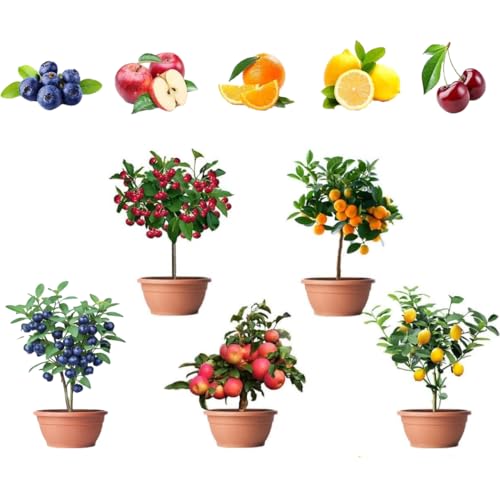
Variety Pack of 5 Fruits: Includes 40 Lemon seeds, 40 Orange seeds, 40 Apple seeds, 20 Cherry seeds, and 20 Blueberry seeds for a colorful and diverse home garden
Apples
Apples are well-suited for espalier due to their manageable growth and diverse varieties. Choose dwarf or semi-dwarf apple trees for easier maintenance. Common varieties include:
- Honeycrisp: Known for its crisp texture and sweet flavor.
- Fuji: Offers a sweet flavor and excellent storage capacity.
Regular pruning will encourage branching and fruit production. Aim for a strong central leader to guide the tree’s growth.
Pears
Pears also perform well in espalier forms. Their natural growth habits allow for easy training along a structure. Select varieties such as:
- Bartlett: Juicy with a sweet taste, perfect for fresh eating.
- Anjou: Known for its smooth skin and excellent flavor.
Train the branches horizontally for optimal light exposure, which promotes healthy fruit development. Prune during the dormant season to maintain shape and support growth.
Stone Fruits
Stone fruits, like cherries, plums, and peaches, thrive in espalier setups. These trees offer beautiful blossoms in spring and delicious fruit in summer. Consider these varieties:
- Stella Cherry: Self-pollinating, produces large, sweet cherries.
- Santa Rosa Plum: Known for its juicy, tangy flavor.
Utilize a fan shape to maximize sun exposure and air circulation. Prune regularly to maintain the shape and remove any dead or crossing branches. Ensure consistent watering and fertilization to support healthy growth.
Factors To Consider When Choosing Trees
Choosing the right trees for espalier involves several key factors to ensure success. Consider the following aspects for optimal results.
Climate Compatibility
Select trees that thrive in your specific climate. Look for varieties suited to the temperature range, humidity levels, and seasonal changes in your area. For example, apples and pears perform well in temperate zones, while citrus trees prefer warmer climates. Check local agricultural extensions or gardening centers for recommendations based on your region.
Growth Habit
Evaluate the growth habit of the trees you’re considering. Trees with a naturally upright growth pattern, such as columnar apples or narrow pears, adapt well to espalier techniques. Choose varieties that produce flexible branches, making them easier to train. For instance, Cherry trees often exhibit vigorous growth but may require more pruning to achieve the desired shape. Research tree shapes and sizes to find options that align with your space and maintenance capabilities.
Conclusion
Espalier is a fantastic way to enjoy the beauty and bounty of fruit trees even in the smallest of spaces. By choosing the right varieties and mastering the training techniques, you can create a stunning visual display that also produces delicious fruit.
Whether you’re an experienced gardener or just starting out, the satisfaction of cultivating your own espalier trees is truly rewarding. With a bit of patience and care, your garden can flourish with charm and productivity, making it a delightful retreat for you and your loved ones. Happy gardening!
Frequently Asked Questions
What is espalier?
Espalier is a gardening technique used to train fruit trees to grow flat against walls or fences. This method maximizes space and enhances the visual appeal of a garden, making it ideal for small or urban areas.
What fruit trees are suitable for espalier?
Suitable fruit trees for espalier include apples, pears, cherries, and plums. These trees can be trained effectively to grow in a flat, decorative shape while producing delicious fruit.
What are the benefits of espalier?
Espalier allows for efficient space use, maximizes sunlight exposure, improves air circulation, and adds aesthetic charm to gardens. This technique enables multiple trees to thrive in limited areas.
How do you train trees for espalier?
To train trees for espalier, select suitable varieties, establish a support system, prune regularly to encourage branching, and monitor tree health. Proper care ensures successful growth in a flat formation.
How long does it take to see results with espalier?
The time to see results with espalier varies by tree type and care. Typically, it can take a few years for the tree to fully develop its shape and start bearing fruit.
Can I espalier trees in containers?
Yes, you can espalier trees in containers. Choose smaller varieties that adapt well to limited root space. Ensure proper watering and nutrients for healthy growth.
What climate is best for espalier fruit trees?
While many fruit trees can be espaliered, choose varieties compatible with your climate. Apples and pears thrive in temperate zones, while citrus fruits are best for warmer areas.
How often should I prune espalier trees?
Regular pruning is essential for espalier trees. Aim to prune at least once a year during the dormant season to encourage healthy growth and maintain their shape.
