

Have you ever dreamed of stepping into your backyard and picking fresh fruit right from the tree? Planting fruit trees can turn that dream into a reality, providing you with delicious snacks and a beautiful landscape. But where do you start?
Key Takeaways
- Select Appropriate Trees: Choose fruit trees based on your climate and available space to ensure successful growth and fruit production.
- Prepare the Soil: Conduct a soil test and amend it as needed to maintain a pH level between 6.0 and 7.0 for optimal tree health.
- Plant at the Right Time: The best planting times are early spring for cooler climates and late fall for warmer regions, avoiding frost damage.
- Use Proper Planting Techniques: Dig a wide hole, ensure the graft union is above soil level, water thoroughly, and apply mulch to retain moisture.
- Regular Care and Maintenance: Water deeply and consistently, prune annually, and maintain a clean area around trees to promote healthy growth.
- Be Aware of Challenges: Monitor for pests and diseases, protect against environmental stress, and consider barriers for wildlife to safeguard your fruit trees.
Choosing The Right Fruit Trees
Selecting the right fruit trees for your backyard is crucial for a successful garden. Consider both climate and space before making your choices.
Recommended Products

Product Quantity: 180+ premium bonsai fruit seeds across 5 varieties; Individual packs contain 40+ apple, 40+ lemon, 40+ orange, 20+ blueberry, and 40+ cherry seeds; Perfect for starting a diverse miniature orchard

4 kinds of the most popular fruits, individually packaged, 50pcs Lemon seeds 50pcs Cherry seeds 50pcs Orange seeds 50pcs Apple seeds Fresh seeds, all fruit seeds are packed in tear and moisture resistant zipper sealed bags for your long term storage.
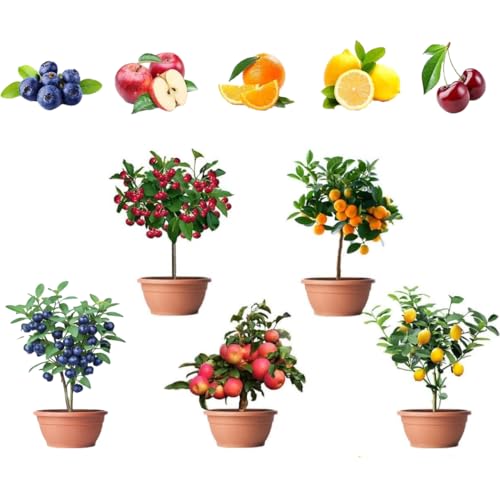
Variety Pack of 5 Fruits: Includes 40 Lemon seeds, 40 Orange seeds, 40 Apple seeds, 20 Cherry seeds, and 20 Blueberry seeds for a colorful and diverse home garden
Consider Your Climate
Fruit trees thrive in specific climates. Assess your USDA Plant Hardiness Zone to determine which trees grow well in your area. For example, apple and pear trees prefer cooler climates, while citrus trees do best in warmer, subtropical zones. Researching local weather patterns helps you choose trees that flourish without stress.
Space Requirements
Consider the space available in your backyard. Fruit trees vary in size, from dwarf varieties needing only 8-10 feet to standard trees requiring 20-30 feet between them. Ensure ample room for growth and air circulation to prevent disease. When planning, also think about the tree’s spread and root depth, as these affect nearby plants. Choose appropriately sized trees based on your available area to maximize sunlight and resources.
Preparing Your Backyard
Preparing your backyard for fruit trees involves several key steps that enhance the chances of successful growth. Start with assessing your space and its conditions.
Soil Test and Preparation
Testing your soil is essential for understanding its pH and nutrient levels. Use a soil test kit to check for key elements like nitrogen, phosphorus, and potassium. Aim for a pH between 6.0 and 7.0 for most fruit trees.
After testing, amend the soil as needed. Incorporate organic matter like compost or aged manure to improve soil structure and fertility. Tilling the soil to a depth of 12 inches helps to aerate it and promotes healthy root growth.
Selecting The Ideal Location
Choosing the right spot for planting fruit trees significantly impacts their growth. Look for areas that receive at least six to eight hours of sunlight daily. Avoid shaded spots from buildings or existing trees.
Ensure good drainage to prevent root rot. Avoid low areas where water might pool after rain. If space allows, plant trees at least 15-20 feet apart to provide ample room for growth and air circulation. This space helps reduce disease and promotes fruit production.
Planting Fruit Trees
Planting fruit trees requires careful attention to timing and technique for optimal growth. Follow these guidelines to ensure success.
Recommended Products

PROFESSIONAL GARDENING GRAFTING TOOLS: Including 2 in 1 grafting pruning tools, 3 replaceable blades, a grafting knife, a screwdriver, a wrench, 2 grafting films, 160 rubber bands, 40 wide rubber bands, and 50 colorful tag cards

★ 1. What you get: Professional convenient grafting tool set including a dual-use grafting pruner tool contain 2 extra replaceable blades, a wrench and a screwdriver, along with 36pcs wide rubber bands, 150 thick rubber bands and 1 grafting tape, packed in a black wallet to meet all your needs

✂Multifunctional -2 in 1 Garden Grafting Tools-Professional grafting set allows you to pruning and grafting at the same time, saving more time and effort than traditional grafting methods, easy to use and more efficient. It allows you to trim away excess leaves and twigs and prepare the plants to be grafted. At the same time, you can make a precise cut into the grafting stock with the special grafting blade.
Best Time To Plant
The ideal time to plant fruit trees depends on your local climate. Generally, early spring or late fall works well. You’ll want to plant:
- Spring: In colder regions, plant after the frost, typically between March and May. This timing allows trees to establish roots before the heat of summer.
- Fall: In warmer regions, fall planting occurs from September to November. This gives trees a head start, utilizing winter rain to develop strong root systems.
Check local frost dates to avoid cold damage.
Planting Techniques
Correct planting techniques ensure healthy trees. Follow these steps:
- Digging the Hole: Create a hole twice as wide and slightly deeper than the tree’s root ball. This allows roots to spread easily.
- Positioning the Tree: Place the tree in the hole, making sure the graft union (swelling on the trunk) is above soil level. This ensures proper growth and prevents rot.
- Backfilling: Fill the hole with the original soil. Mix in compost for nutrients, but avoid adding fertilizers at this stage. Water the soil as you backfill to remove air pockets.
- Watering: Water thoroughly after planting. This helps settle the soil and provides necessary moisture. Keep the soil consistently moist for the first few weeks.
- Mulching: Apply a 3-inch layer of mulch around the base of the tree, keeping it a few inches away from the trunk. Mulch conserves moisture and suppresses weeds.
- Staking (if needed): If the tree is tall or in a windy area, stake it for support. Use soft ties and remove them after one growing season to prevent damage.
Using these techniques enhances your fruit tree’s ability to thrive in your backyard environment.
Caring For Your Fruit Trees
Caring for your fruit trees ensures healthy growth and fruitful yields. By following a few straightforward practices, you maintain your trees and maximize your harvest.
Recommended Products
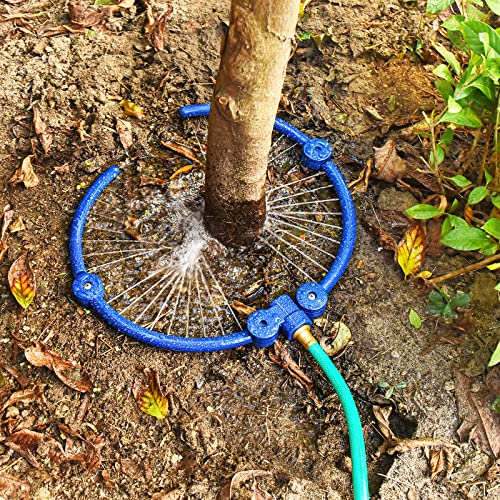
【Specially Designed for Trees and Shrubs】 The Watering Ring is a multi-purpose irrigation ring that attaches to a garden hose to efficiently water young trees shrubs vegetables or flower beds using drip or trickle irrigation.It directs water to the root perimeter of the plant to give them a good start during the first two growing seasons or through periods of drought.
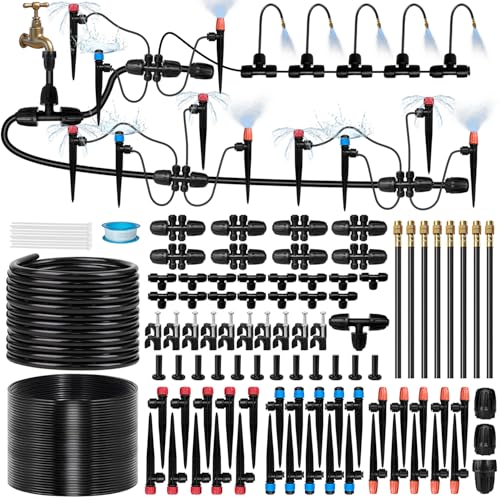
【Upgraded Tube Design & Water Saving】 Our garden watering system is upgraded to 1/2” diameter to support high water pressure. The 1/2” tee connector allows seamless splitting into 2 independent zones for customized watering schedules. By delivering moisture directly to root zones, this drip Irrigation system significantly reduces evaporation and runoff—saving more water compared to conventional sprinklers while eliminating the need for manual watering.

NO MORE HARD INSTALLATION - SET UP IN MINUTES. Tired of struggling with stiff barbed fittings? This drip irrigation system features quick-connect fittings that let you push, lock, and secure tubing effortlessly. No tools, no leaks, just a smooth setup experience. Enjoy a frustration-free installation and get your garden watering system running in minutes.
Watering Guidelines
Water your fruit trees regularly, especially during the first few years after planting. Aim for deep watering, about 1 to 2 inches per week, depending on rainfall and soil type. Water early in the morning or late in the afternoon to minimize evaporation. Use a soaker hose or drip irrigation to target the root zone directly, preventing over-saturation of the soil. Monitor during dry spells and adjust accordingly, as insufficient water can lead to stress, while overwatering can cause root rot.
Pruning and Maintenance
Prune your fruit trees annually to promote healthy growth and fruit production. The best time to prune varies; late winter or early spring, just before new growth starts, works well for most trees. Focus on removing dead or crossing branches to improve air circulation and light penetration. Keep the tree’s canopy open to enhance fruit development.
Maintain a clean area around your trees by removing fallen leaves and fruit. This practice reduces the risk of pests and diseases. Fertilize your trees in early spring with a balanced fertilizer, following package instructions for amounts. Organic options, like compost or aged manure, also enrich the soil and support growth.
By consistently following these guidelines, your fruit trees thrive, producing bountiful harvests for your enjoyment.
Common Challenges
Planting fruit trees in your backyard can bring immense joy, but challenges can arise. Awareness of these challenges prepares you for a successful gardening journey.
Pests and Diseases
Pests and diseases pose significant threats to fruit trees. Common pests include aphids, spider mites, and fruit flies. Regular monitoring helps catch these invaders early. Apply organic pesticides or insecticidal soap when necessary, following package instructions for effectiveness.
Fungal diseases, such as powdery mildew and root rot, can hinder growth. To prevent these issues, ensure proper air circulation and avoid overcrowding your trees. Practicing good hygiene, like cleaning fallen leaves, also reduces disease risks. Selecting disease-resistant varieties offers added protection against specific ailments.
Environmental Factors
Environmental factors greatly impact fruit tree health. Weather extremes, including excessive heat or cold, can stress trees. Protect young trees with mulch in hot months, and provide winter cover for colder seasons.
Soil quality influences growth. Perform soil tests to check pH and nutrient levels. If pH falls outside the ideal range of 6.0 to 7.0, amend the soil accordingly. Regular watering, especially during dry periods, ensures trees remain hydrated.
Additionally, local wildlife, such as deer and birds, can interfere with fruit production. Implement barriers or netting to protect your trees. Consider companion planting to deter pests and support your fruit trees’ ecosystem. By staying vigilant and proactive, you can navigate these common challenges successfully.
Conclusion
Planting fruit trees in your backyard is a fulfilling journey that brings fresh flavors and beauty to your space. With the right preparation and care you can create a thriving garden that produces delicious fruit for years to come. Remember to choose the right trees for your climate and give them the attention they need to flourish.
Stay engaged with your trees by monitoring their health and adjusting care as needed. Whether you’re tackling pests or ensuring proper watering your efforts will pay off in bountiful harvests. Embrace the process and enjoy the sweet rewards of your hard work. Happy planting!
Frequently Asked Questions
What are the benefits of planting fruit trees in my backyard?
Planting fruit trees provides fresh fruit right at your doorstep, enhancing your garden’s aesthetics and promoting biodiversity. They can also increase property value and offer a rewarding gardening experience.
How do I choose the right fruit trees for my climate?
Begin by assessing your USDA Plant Hardiness Zone. Choose fruit trees that thrive in your specific climate, such as apple and pear trees for cooler areas and citrus trees for warmer climates.
What size should I consider when selecting fruit trees?
Consider your available space. Dwarf fruit trees require less room and can fit in smaller gardens, while standard trees need more space to grow and ensure good air circulation.
How do I prepare my yard for planting fruit trees?
Assess your soil conditions with a soil test. Aim for a pH between 6.0 and 7.0, amend the soil with organic matter, and select a sunny, well-drained location to ensure successful growth.
When is the best time to plant fruit trees?
The ideal planting time depends on your climate. In colder regions, plant after the frost in early spring. For warmer areas, late fall is best, allowing trees to establish roots during winter.
What techniques should I use for planting fruit trees?
Dig a hole twice as wide as the root ball and position the tree correctly. Backfill with original soil mixed with compost, water thoroughly, and apply mulch to conserve moisture and suppress weeds.
How should I care for my fruit trees after planting?
Water deeply, providing 1 to 2 inches per week, especially in the initial years. Prune annually in late winter or early spring, maintain the area around the trees, and fertilize in early spring for best results.
What common challenges do I need to consider when growing fruit trees?
Be aware of pests like aphids and spider mites, which require monitoring. Fungal diseases such as powdery mildew may occur, necessitating good airflow and hygiene. Address environmental factors through regular soil tests and proper watering.
