

Have you ever tried planting a fruit tree in your yard only to find the clay soil stubbornly resisting your efforts? You’re not alone. Many gardeners face the challenge of nurturing plants in heavy clay, which can hold water and make it tough for roots to thrive.
Key Takeaways
- Understand Clay Soil: Clay soil retains water, has poor drainage, and dense texture but can be nutrient-rich, presenting a unique challenge for fruit tree growth.
- Site Preparation: Select a sunny location, test soil drainage, amend the soil with organic matter, and consider raised beds for improved drainage before planting.
- Choose Suitable Trees: Opt for fruit trees that adapt well to clay soil, such as apple, pear, and peach varieties, focusing on their drought and disease resistance.
- Adopt Proper Planting Techniques: Follow specific steps for planting, including digging a wide hole, amending the soil, positioning the tree correctly, and mulching to retain moisture.
- Implement Aftercare Practices: Regularly mulch, water deeply, fertilize based on soil tests, and maintain through pruning and pest monitoring to ensure healthy growth.
- Monitor Moisture Levels: Regularly check soil moisture to prevent over-saturation and adjust watering habits accordingly for optimal fruit tree health.
Understanding Clay Soil
Clay soil has distinct properties that can influence how you plant fruit trees. It’s known for its fine texture and ability to hold moisture, which can create challenges but also opportunities.
Characteristics of Clay Soil
- Dense Texture: Clay soil consists of fine particles that tightly pack together, creating a dense environment.
- High Retention: It retains water well, leading to saturated conditions after heavy rain or irrigation.
- Nutrient-Rich: Clay often contains a wealth of nutrients, potentially benefitting plant growth when managed properly.
- Poor Drainage: While it holds water, its compact nature limits drainage, which can suffocate tree roots.
- Poor Aeration: The compactness of clay reduces air circulation, preventing roots from accessing oxygen.
- Root Growth Restriction: The density makes it difficult for roots to penetrate and expand, restricting overall growth.
- Water Logging Risk: Excess moisture can lead to root rot, a critical issue for many tree species.
- Slow Warming: Clay soil warms slowly in the spring, delaying planting and growth cycles.
Understanding these characteristics and challenges enables you to develop effective strategies for successfully planting fruit trees in clay soil.
Preparing the Site
Preparing the site for planting fruit trees in clay soil is crucial for ensuring healthy growth and long-term success. Follow these steps to create an optimal environment.
Recommended Products

Feed the soil not the plants - stimulate microbial activity in your soil and boost probability of success with all types of plants… like composting but faster


Professional Grade: Fine Vermiculite designed for seed starting, potting mix, and soil amendments, this organic vermiculite features a fine 1–3mm grade that blends easily with soil, garden beds, or indoor plant soil, helping growers achieve consistent moisture balance and healthier early growth
Selecting the Right Location
Select a location with good sunlight exposure, ideally six to eight hours daily. Avoid low spots where water could collect. Pick a site away from large tree roots, as competition for nutrients may hinder growth. Consider proximity to structures or other plants that could cast shade.
Testing Soil Drainage
Test soil drainage by digging a hole about 12 inches deep and filling it with water. Observe how quickly the water drains. If it takes more than 24 hours to drain, the soil is poorly draining. In such cases, consider amending the soil before planting. Incorporate organic matter like compost or well-rotted manure to improve drainage. Adding raised beds can also enhance drainage in heavy clay soils, promoting a healthier root system.
Choosing the Right Fruit Trees
Selecting the right fruit trees enhances the chances of successful growth in clay soil. Some varieties adapt better to these conditions than others.
Recommended Products

Made For Potted Citrus Trees: Our citrus potting soil mix is made for potted lemon, lime, orange and other citrus trees that need a lighter growing medium for repotting. We double-screen all of our raw ingredients to support a cleaner, more consistent texture for pouring and repotting potted citrus trees.

【Ideal pH Balance】Our citrus soil is carefully calibrated to maintain an optimal pH level between 6.0 and 7.1, ensuring your citrus trees can absorb essential nutrients efficiently and thrive

Enriched with Organic Fertilizer – This lemon tree fertilizer provides nutrients for up to 6 months, so your citrus trees stay healthy and productive with minimal upkeep.
Best Fruit Trees for Clay Soil
- Apple Trees: Apple varieties like ‘Granny Smith’ and ‘Honeycrisp’ generally thrive in clay soil. They require well-drained conditions but can tolerate occasional moisture.
- Pear Trees: Varieties such as ‘Bartlett’ and ‘Bosc’ flourish in clay, benefiting from the soil’s nutrient content.
- Cherry Trees: Sweet cherries, like ‘Stella’, perform well, but ensure you monitor drainage to prevent root rot.
- Plum Trees: Japanese plums, especially ‘Shiro’ and ‘Methley’, adapt suitably to clay soil.
- Peach Trees: Most peach varieties, particularly ‘Redhaven’, tolerate clay soil when paired with good drainage practices.
- Drought Tolerance: Choose varieties that exhibit drought resistance to manage periods of heavy rain and dry spells effectively.
- Disease Resistance: Varieties resistant to common diseases, like fire blight and brown rot, maintain overall health and productivity.
- Root Architecture: Opt for trees with a fibrous or shallow root system that can navigate clay’s compact structure easily.
- Growth Rate: Select fast-growing varieties to establish a strong presence quickly, ensuring better yields in the long term.
- Pollination Requirements: Consider trees that require cross-pollination, ensuring space for compatible varieties nearby for fruit set.
Choosing fruit trees that are well-suited for clay soil encourages a fruitful garden with bountiful harvests.
Planting Techniques
Proper techniques for planting fruit trees in clay soil significantly enhance growth potential and longevity. Adopting these methods leads to a healthy tree full of fruit.
Recommended Products
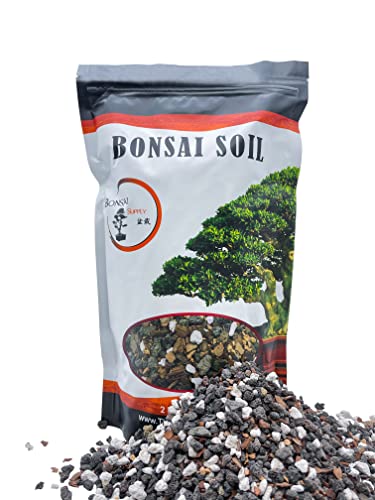
🌱【Ready-to-use Pre-mix】: Simplify repotting your Bonsai and other plants with our premium, fast-draining Bonsai potting soil mix. It comes pre-mixed and sifted for your convenience.


🌳 Mango Majesty Unveiled: Elevate your Mango Tree care with Gardenera's meticulously crafted Mango Tree Potting Mix, designed to nurture the growth and bounty of your mangoes.
Steps to Plant a Fruit Tree in Clay Soil
- Select the Right Time: Plant during the early spring or fall when the soil is workable and temperatures are moderate.
- Dig the Hole: Create a hole twice as wide and the same depth as the root ball. This helps encourage root spread into the surrounding soil.
- Loosen the Soil: Amend the clay at the bottom and sides of the hole with organic matter like compost or peat moss. This improves aeration and drainage.
- Position the Tree: Place the tree in the center of the hole. Ensure the graft union is slightly above soil level to prevent rot.
- Backfill with Care: Fill the hole with a mixture of native soil and organic matter. Avoid compacting the soil too tightly around the roots.
- Water Thoroughly: Water deeply right after planting. It settles the soil and helps relieve air pockets around the roots.
- Mulch Generously: Apply a 2- to 4-inch layer of mulch around the base of the tree. This retains moisture while suppressing weeds.
- Create a Raised Mound: If drainage is a major issue, form a mound of amended soil. This elevates the root zone above the clay.
- Use French Drains: Install a French drain system around the planting area. This directs excess water away from the root zone.
- Add Organic Matter: Mix compost into the planting hole and surrounding soil regularly. This improves soil structure and drainage.
- Avoid Compaction: Steer clear of walking or working around the tree after planting. Compacted soil restricts root expansion.
- Monitor Soil Moisture: Test moisture levels regularly. Adjust watering to avoid over-saturation.
By following these planting techniques and incorporating drainage improvements, you’ll create an optimal environment for your fruit trees to thrive in clay soil.
Aftercare for Your Fruit Trees
After planting, caring for your fruit trees ensures their health and productivity. Focus on mulching, watering, fertilization, and regular maintenance to promote strong growth.
Mulching and Watering Practices
Mulching helps retain soil moisture and regulate temperature. Spread a layer of organic mulch, such as wood chips or straw, about 3 inches thick around the base of each tree. Keep the mulch a few inches away from the trunk to prevent rot.
Water your trees regularly, especially during dry spells. Aim for deep watering, soaking the soil around the root zone to encourage roots to grow downward. As a rule of thumb, provide about 1 to 1.5 inches of water per week. Monitor the soil moisture by checking with your finger; if it feels dry a few inches down, it’s time to water.
Fertilization and Maintenance Strategies
Fertilization is crucial in the first few years. Test your soil every couple of years to identify nutrient deficiencies. Based on the test results, choose a balanced fertilizer with equal parts nitrogen, phosphorus, and potassium or one formulated for fruit trees. Apply it in early spring, following package directions for amounts based on the tree’s age and size.
Maintenance includes regular pruning to remove dead or crossed branches for better airflow. Examine your trees routinely for pests and diseases. Use organic pesticides if needed.
In addition, consider adding organic matter like compost annually to enhance soil structure and nutrients. This practice benefits clay soil, helping improve drainage and aeration over time. By following these strategies, you create a thriving environment for your fruit trees in clay soil.
Conclusion
Planting fruit trees in clay soil may seem daunting but with the right approach you can create a thriving garden. By understanding your soil’s unique properties and making necessary adjustments you can set your trees up for success. Choosing the right varieties that adapt well to clay conditions is key.
Don’t forget that proper planting techniques and ongoing care play a significant role in your trees’ health. With consistent attention to watering mulching and fertilizing you’ll foster an environment where your fruit trees can flourish. Embrace the challenge and enjoy the fruits of your labor in no time. Happy gardening!
Frequently Asked Questions
What are the challenges of planting fruit trees in clay soil?
Clay soil is dense and retains too much water, causing poor drainage and limited aeration. This can hinder root growth, increase the risk of water logging, and lead to slow warming in spring. Understanding these challenges helps gardeners implement effective planting strategies.
How can I improve drainage in clay soil for fruit trees?
To improve drainage, amend the soil with organic matter like compost or well-rotted manure. Additionally, consider using raised beds or creating a French drain system to encourage better water flow and support healthier root development.
What types of fruit trees thrive in clay soil?
Fruit trees that adapt well to clay soil include ‘Granny Smith’ and ‘Honeycrisp’ apple trees, ‘Bartlett’ and ‘Bosc’ pear trees, ‘Stella’ sweet cherries, and Japanese plums like ‘Shiro’ and ‘Methley.’ Choose varieties with good drought tolerance and disease resistance for the best results.
What are the best planting techniques for fruit trees in clay soil?
Plant in early spring or fall, dig a hole twice as wide as the root ball, and mix organic matter with the soil to enhance aeration and drainage. Position the tree correctly, backfill carefully, and water thoroughly to support healthy growth.
What aftercare is needed for fruit trees in clay soil?
Proper aftercare includes mulching to retain moisture, regular deep watering, and fertilization during the first few years. Additionally, pruning, pest management, and adding organic matter will help maintain soil health and promote productive fruit trees.
