

Have you ever watched in frustration as birds or squirrels snatched away your hard-earned fruit? You’re not alone. Many gardeners face this common dilemma, wondering when to protect their precious harvest with netting. Timing is everything when it comes to safeguarding your trees from hungry critters.
In this article, you’ll discover the best times to put netting on your fruit trees to ensure a bountiful harvest. We’ll share tips on how to identify the right moment, so you can enjoy your fruits without the worry of losing them to pests. With the right knowledge, you can protect your trees and savor the rewards of your gardening efforts.
Key Takeaways
- Timing is Crucial: Apply netting during late spring to protect blossoms and fruit or by early summer to safeguard visible fruit from pests.
- Pest Protection: Netting effectively deters birds and squirrels, preventing damage and loss of ripe fruits.
- Disease Prevention: Proper netting minimizes fruit contact with the ground and allows air circulation, reducing the risk of fungal diseases.
- Cost-Effective Investment: High-quality netting can be reused for multiple seasons, providing long-term savings compared to potential crop losses.
- Material Selection Matters: Choose the right type of netting based on your fruit trees and the specific pests you need to deter.
- Proper Installation is Key: Follow a step-by-step installation guide and regularly check for damage to ensure continuous protection throughout the season.
Importance Of Netting On Fruit Trees
Netting plays a crucial role in protecting your fruit trees from various pests. Birds and squirrels often enjoy feasting on ripe fruits, leading to significant losses in your harvest. Implementing netting prevents these creatures from accessing your trees, ensuring that you enjoy a bountiful crop.
Protection Against Wildlife
- Bird Deterrence: Netting shields fruits from birds that can quickly eat or damage them. Once birds discover your trees, they may return daily for more. Using netting keeps them at bay.
- Squirrel Prevention: Squirrels can strip fruits from branches. Properly installed netting creates a barrier, preventing squirrels from reaching your precious harvest.
Disease Prevention
- Reduced Contact: Netting minimizes fruit contact with the ground, decreasing the likelihood of fungal diseases.
- Air Circulation: Properly placed nets allow for better air circulation around the fruit, promoting healthier growth and reducing moisture buildup, which can lead to disease.
Maintains Fruit Quality
- Unspoiled Harvest: Netting protects fruits from bites and pecking, maintaining their appearance and quality.
- Extended Harvest: By safeguarding fruits, netting allows you to harvest them at optimal ripeness, enhancing flavor and sweetness.
Cost-Effectiveness
Investing in netting proves economical over time. A single purchase can protect your trees for several growing seasons. The cost of netting pales in comparison to potential loss from wildlife damaging your crops.
- Simple Installation: Netting is easy to install and remove. You can drape it over trees or use stakes to create a protective structure.
- Reusability: Most netting materials are durable and can be reused annually, providing ongoing protection without additional costs.
Implementing netting on your fruit trees addresses pest pressures while promoting healthier production. Taking these proactive steps can lead to fulfilling harvests.
Best Time To Put Netting On Fruit Trees
Applying netting at the right time maximizes protection against pests and ensures a fruitful harvest. Understanding key factors and seasonal patterns helps you determine the best moment for netting.
Recommended Products

HDPE Material for Outdoor Garden Use: Made from high-density polyethylene (HDPE), RIFNY garden bird netting is designed for outdoor plant protection and repeated seasonal use. The flexible mesh is suitable for backyard gardeners, vegetable gardens, raised beds, fruit trees, blueberry bushes, flower gardens, and orchards. The black netting provides a practical barrier for protecting plants while maintaining airflow and sunlight

Protect Your Vegetables and Fruits: LCHUANG Garden Netting is great for orchards, greenhouses, gardens, nurseries, patios, and shrubs. This Bird Netting with a zipper can protect blueberries, tomatoes, trees, fruits, flowers, vegetables, and potted plants from insects, birds, and bugs, which helps the plants grow normally.
Factors Influencing Timing
- Fruit Type: Different fruit trees produce fruit at varying times. Stone fruits, like cherries and plums, ripen earlier than pome fruits, like apples and pears. Monitor the ripening schedule of your specific varieties.
- Local Wildlife: Observe the activity of birds and squirrels in your area. Birds often flock to trees as soon as fruits show color. If wildlife is prevalent, consider netting early, even before fruit development.
- Weather Conditions: Fluctuating weather can affect ripening. Warmer springs may lead to earlier fruiting. Keep an eye on your local climate and adjust netting times accordingly.
- Tree Size: Larger trees may require more time for netting installation. If you have a fully grown tree, prepare to set up netting several weeks before harvest.
- Late Spring: Place netting during late spring when fruit trees start to flower. Doing this early limits wildlife access to blossoms and early fruit.
- Early Summer: If you missed the chance in spring, set up netting by early summer when fruit is visible but not fully ripe. This is especially crucial as birds begin searching for bright, mature fruit.
- Pre-Harvest: For optimal results, put netting on 1-2 weeks before you expect your fruit to ripen. This time frame allows for efficient pest deterrence without restricting air circulation too soon.
- Harvest Timing: Remove netting promptly after harvesting to reduce stress on the tree. This also prevents any unintended trapping of wildlife afterward.
Utilizing these factors and seasonal timelines helps you effectively protect your fruit trees, ensuring a successful harvest each season.
Types Of Netting Available
Various types of netting protect fruit trees from pests, each designed for specific needs.
Recommended Products

Extra Large Coverage: 15ft x 15ft bird netting offers full protection for large fruit trees and plants.

【Effective Protection for Fruits & Vegetables】 You get two 5x3.28ft garden protection nets with ultra-dense 0.6cm mesh. This bird netting for garden protects against birds, squirrels, mice, and insects. Use it as fruit tree netting for your orchard or plant covers for blueberry bushes, tomato plants, cherry, peach, apple trees, and raised beds -a complete pest barrier for your harvest.
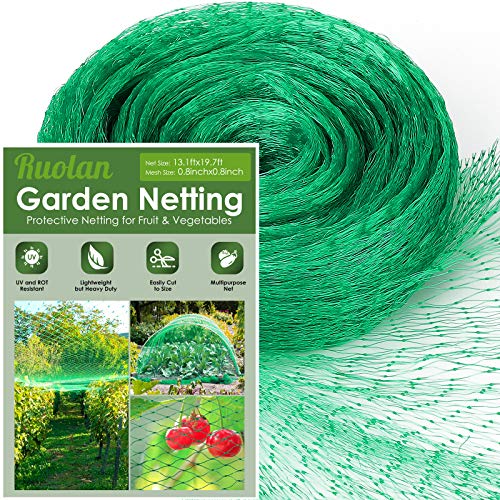
【Perfect size】(Garden Netting size 13ftX20ft, Mesh Size 0.8inchX0.8inch), Protect fruit tree plant blueberry strawberry from animals
Material Options
- Polyethylene: This durable option withstands harsh weather conditions. It’s lightweight and easy to install.
- Tulle: Tulle is a fine mesh fabric often used for delicate fruit. It’s breathable, allowing air circulation while keeping pests away.
- Nylon: Nylon netting offers strength and flexibility. It’s suitable for larger trees and can resist tearing more effectively than other materials.
- PVC: PVC netting is typically used for long-term applications. It’s UV resistant, ensuring longevity when exposed to sunlight.
- Small Mesh (1/4 inch): Ideal for keeping out small birds and insects. This size works well for protecting berries and peaches.
- Medium Mesh (1/2 inch): This size deters larger birds and squirrels. It’s suitable for apples and cherries, offering a balance between visibility and protection.
- Large Mesh (3/4 inch): Larger mesh sizes allow beneficial insects while keeping out larger pests. It’s effective for trees that can withstand a bit more risk, like citrus trees.
How To Properly Install Netting
Properly installing netting protects your fruit trees from pests and ensures a healthy harvest. Follow these steps for effective netting application.
Recommended Products

14 X14 ft Garden Protection Coverage: this garden netting provides substantial 14 feet by 14 feet coverage, offering ample protection for home gardens, raised beds, small orchards, and greenhouse applications; The generous dimensions allow you to cover multiple planting areas or larger single plots without seams or joins that could compromise protection; The size is particularly suitable for backyard vegetable patches, berry bushes, and small fruit trees

Size: Deer netting size 7 feet x 100 feet; garden netting mesh size 3/4"; color: black; Easy to use accessories included: 10pcs installation nails & 50pcs cable ties

Effective Bird Barrier: Bird netting provides a sturdy shield protection, safeguarding blueberry, lettuce, kale, turnips, strawberries, fruit trees, vegetables, flowers, and other plants from bird pecking, rabbit grazing, squirrel foraging, deer browsing, and other animal intrusions. This bird net protective barrier fence ensures undisturbed plant growth and a bountiful harvest, free from the interference of unwelcome visitors.
Step-by-Step Guide
- Choose the Right Netting: Select netting appropriate for your tree type and the pests you want to deter. For small birds, use 1/4 inch mesh; for smaller squirrels, opt for 1/2 inch mesh.
- Prepare the Area: Clear the ground around the tree. Remove any debris or branches that may snag the netting.
- Measure the Tree Canopy: Measure the height and width of your tree’s canopy to determine how much netting you’ll need. Add an extra 2-3 feet for securing edges.
- Cut the Netting: Lay the netting flat and cut it to the measured dimensions. Ensure it’s large enough to cover the entire canopy without gaps.
- Drape the Netting: Gently drape the netting over the tree’s top and sides. Ensure the netting reaches the ground to prevent pests from sneaking underneath.
- Secure the Bottom: Use stakes or weights to anchor the netting to the ground. This creates a barrier against pests trying to enter.
- Check for Holes: Inspect the netting for holes or gaps after installation. Repair any issues promptly to maintain protection.
- Remove After Harvest: Once harvesting is complete, remove the netting carefully to prevent damage to the tree branches.
- Using Inappropriate Netting: Avoid netting with large mesh sizes. This allows pests to enter and defeat the purpose of protection.
- Installing Too Late: Don’t procrastinate on netting application. Timely installation before pests become active ensures optimal fruit safety.
- Neglecting Maintenance: Don’t ignore the netting’s condition. Regularly check for wear and tear to maintain effectiveness throughout the season.
- Overtightening the Netting: Don’t pull the netting too tight. This can damage branches and disrupt fruit development.
- Forgetting to Monitor: Remember to monitor the netting during the ripening season. Pests can still find ways in if the netting sustains damage.
Implement these steps and avoid common pitfalls for successful netting installation that keeps your fruit trees safe from pests.
Conclusion
Protecting your fruit trees with netting is a smart move to ensure you can enjoy your harvest without unwanted visitors. By timing your netting application just right you can keep birds and squirrels at bay while also promoting healthy fruit growth.
Remember to choose the right type of netting based on your specific needs and to install it properly for the best results. With a little planning and care you’ll be well on your way to a fruitful season. Happy gardening and may your trees thrive!
Frequently Asked Questions
What is the main purpose of using netting on fruit trees?
Netting is used on fruit trees to protect crops from birds, squirrels, and other pests. It helps ensure a bountiful harvest by deterring wildlife, preventing disease through improved air circulation, and maintaining fruit quality.
When is the best time to apply netting to fruit trees?
Netting should ideally be applied during late spring when trees start flowering or early summer when fruit becomes visible. It is best to put it on 1-2 weeks before expected ripening to ensure optimal protection.
What types of netting are available for fruit trees?
There are various types of netting available, including polyethylene, tulle, nylon, and PVC. Each material has different durability and breathability, suitable for protecting different tree sizes and types of fruit.
How do I install netting on my fruit trees?
To install netting, first choose the right type based on your tree and pest size. Measure the tree canopy, cut the netting to size, drape it over the tree, secure the bottom, and check for holes regularly.
What are common mistakes when using netting on fruit trees?
Common mistakes include using inappropriate netting, installing it too late, neglecting maintenance, overtightening, and failing to monitor netting condition during the ripening season. Avoiding these errors ensures better protection for your fruit.
