

Have you ever wondered how long it takes for an apple tree to bear fruit? If you’re dreaming of homegrown apples, you’re not alone. Many people plant these beautiful trees with hopes of enjoying fresh apples right from their backyard.
But patience is key when it comes to apple trees. You might be excited to see results, but understanding the timeline can help you manage your expectations. In this article, you’ll learn how many years it typically takes for different apple varieties to produce fruit and what factors can influence that timeline. With the right knowledge, you can nurture your tree and look forward to a bountiful harvest.
Key Takeaways
- Timeframe for Fruit Production: Apple trees typically bear fruit in 3 to 6 years, depending on the variety and growing conditions.
- Variety Matters: Dwarf apple trees can produce fruit in as little as 2 to 3 years, while standard varieties usually take 4 to 6 years.
- Growing Conditions: Optimal soil quality, sufficient sunlight (6-8 hours daily), and consistent watering are crucial for encouraging fruiting.
- Pollination: Cross-pollination from different apple varieties is generally necessary to enhance fruit yield, so planting multiple varieties can be beneficial.
- Care Techniques: Proper watering, regular fertilization, and annual pruning play significant roles in developing your apple tree’s structure and promoting fruit production.
- Pest Management: Regularly monitoring for pests and diseases is essential, as stress from these issues can delay the fruiting process.
Understanding Apple Trees
Apple trees require several growing seasons before they produce fruit. Generally, apple trees start bearing fruit around 3 to 6 years after planting. However, the exact timeframe depends on the apple variety and growing conditions.
Factors Influencing Fruit Production
- Tree Variety
Some varieties, like dwarf apples, produce fruit sooner. Dwarf trees often bear fruit in 2 to 3 years. Standard trees typically take longer, usually 4 to 6 years. - Rootstock
The rootstock used can affect how quickly an apple tree fruits. Trees on vigorous rootstocks tend to grow larger and produce fruit later. Conversely, trees on dwarfing rootstocks often bear fruit more quickly. - Growing Conditions
Soil quality, sunlight exposure, and water availability play essential roles. Trees in well-drained soil with full sunlight thrive and produce fruit sooner than those in poor conditions. - Pollination
Apples generally require cross-pollination from other apple varieties. Adequate pollination can increase fruit set, enhancing overall yield.
- Watering
Ensure consistent moisture for young apple trees. Water them once a week during dry spells. Adjust frequency based on rainfall. - Fertilizing
Fertilize apple trees in early spring. Use a balanced fertilizer for optimal growth. Avoid over-fertilizing, as this can delay fruit production. - Pruning
Prune young trees annually to encourage branching and improve airflow. Proper pruning helps develop a strong structure, leading to better fruiting later on. - Pest and Disease Management
Monitor trees for pests and diseases. Implement preventive measures to protect young trees, as stress from pests can delay fruiting.
By understanding the growth timeline and factors affecting fruit production, you can cultivate your apple trees effectively, enhancing your chances for a fruitful harvest.
Factors Influencing Fruit Production
Various factors significantly impact the timeline for apple trees to produce fruit. Understanding these factors helps you make informed choices about your apple-growing journey.
Recommended Products
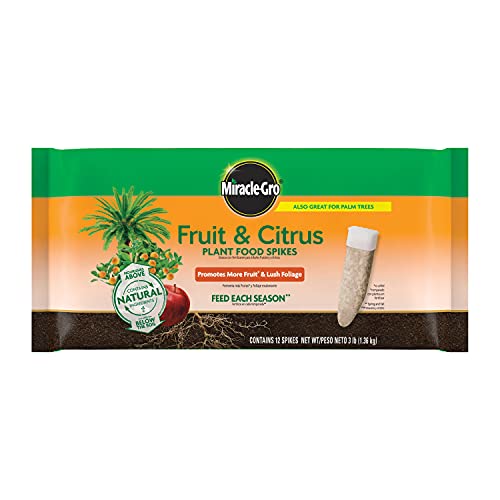
FORMULATED FOR CITRUS AND FRUIT TREES: Use these citrus fertilizer spikes on apple, orange, lemon, lime, and avocado trees; this formula is also great for feeding palm trees

Down to Earth Fruit Tree is a five pound box of all natural fertilizer with 6-2-4 formula and is listed by the Organic Materials Review Institute (OMRI) for use in organic production

Let our professionally formulated plant food help your fruit tree grow healthy, strong AND abundantly producing
Variety of Apple Trees
Different apple tree varieties determine how quickly fruit appears. Standard varieties usually take 4 to 6 years to bear fruit, while some dwarf varieties can yield as early as 2 to 3 years. For example, the ‘Honeycrisp’ takes about 4 to 5 years, whereas ‘Fuji’ might take closer to 6 years. Selecting the right variety for your climate and space can lead to faster production.
Growing Conditions
Healthy growing conditions are crucial for apple trees to bear fruit efficiently. Key elements include:
- Soil Quality: Ensure well-draining soil rich in organic matter for better growth.
- Sunlight: Provide at least 6 to 8 hours of direct sunlight daily to promote flowering and fruiting.
- Watering Practices: Maintain consistent moisture, especially during the first few years. Aim for about 1 inch of water per week.
- Fertilization: Use balanced fertilizers in early spring to support tree growth and fruit development.
By optimizing these conditions, you can encourage your apple trees to produce fruit earlier and more abundantly.
General Timeline for Fruit Production
Apple trees typically take a few years to produce fruit, and several factors influence this timeline. Understanding these elements helps you nurture your apple trees effectively.
Recommended Products

🌳 3-Pack Fruit Tree Bundle Includes live apple, blueberry, blackberry trees—perfectly paired for a diverse and productive backyard orchard.

4 FRUIT VARIETIES – 100 SEEDS TOTAL: Includes 30 Apple Seeds, 30 Lemon Seeds, 30 Cherry Seeds, and 10 Banana Seeds, individually separated by variety for an exciting fruit-growing collection.
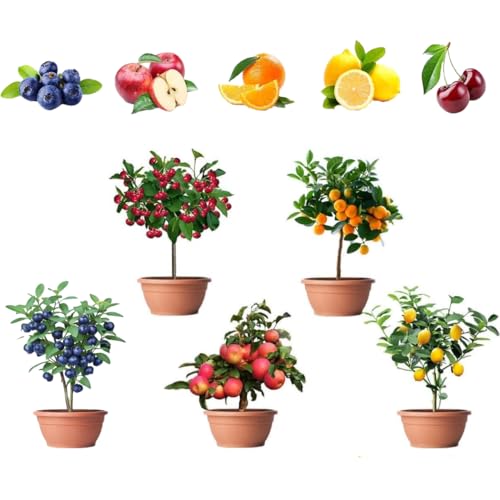
Variety Pack of 5 Fruits: Includes 40 Lemon seeds, 40 Orange seeds, 40 Apple seeds, 20 Cherry seeds, and 20 Blueberry seeds for a colorful and diverse home garden
Standard Apple Varieties
Standard apple varieties usually take 4 to 6 years to bear fruit. For example, ‘Honeycrisp’ takes about 4 to 5 years, while ‘Fuji’ may take up to 6 years. You’ll notice different growth rates depending on the specific variety. Supporting the growth of standard varieties involves ensuring they receive ample sunlight, consistent watering, and appropriate fertilization.
Key steps to optimize fruit production for standard varieties:
- Choose a variety known for high yield.
- Plant in well-draining soil rich in organic matter.
- Ensure the tree receives 6-8 hours of sunlight daily.
- Prune during the dormant season to promote healthy growth.
Dwarf Apple Varieties
Dwarf apple varieties produce fruit much sooner, often within 2 to 3 years. These smaller trees thrive in limited spaces, making them a popular choice for home gardeners. For instance, ‘Gala’ and ‘Granny Smith’ demonstrate early fruit production, with many dwarf varieties maturing rapidly.
To maximize fruit yield from dwarf varieties:
- Plant in a sunny spot with good air circulation.
- Water consistently, especially during dry spells.
- Fertilize regularly with a balanced fertilizer during the growing season.
- Keep up with pruning to maintain shape and encourage branching.
By understanding these timelines and variations, you can set realistic expectations and provide the best care for your apple trees.
Tips for Accelerating Fruit Production
You can enhance your apple tree’s fruit production through proper care and attention. Focus on the following strategies for optimal results.
Recommended Products

Made for Apple Trees – Formulated to support healthy growth in apple and fruit-bearing trees.

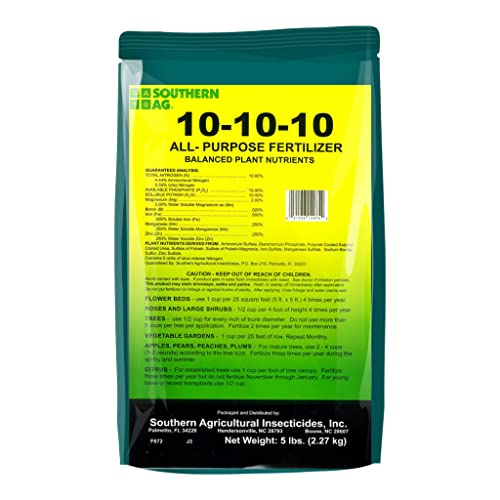
🌿 Balanced 10-10-10 Granular Fertilizer for Outdoor & Indoor Plants: All-purpose plant food with 10% Nitrogen, 10% Phosphorus, and 10% Potassium. Perfect for outdoor vegetable gardens, fruit trees, evergreens, shrubs, lawns, and flowers. Also great for potted plants and indoor gardening. One solution for all your plant needs!
Proper Care and Maintenance
Maintain optimal soil conditions. Choose well-draining soil enriched with organic matter. Test the soil’s pH level; aim for a range between 6.0 and 7.0, as this promotes healthy growth.
Water consistently. Water your apple trees thoroughly, especially during dry spells. Aim for about 1 to 1.5 inches of water weekly. Mulching helps retain moisture and suppress weeds.
Fertilize appropriately. Use a balanced fertilizer during the growing season. Look for a formulation marked 10-10-10 or similar. Apply based on package instructions, avoiding over-fertilization, which can harm trees.
Monitor for pests and diseases. Regularly inspect your trees for signs of trouble. Early detection of common pests, such as aphids or apple maggots, helps prevent severe damage.
Pruning Techniques
Prune your trees during dormancy. Late winter or early spring is ideal for removing dead or overcrowded branches. This encourages better air circulation and light penetration.
Shape the tree wisely. Aim for an open-center shape. This design allows sunlight to reach all parts of the tree, boosting fruit production.
Remove suckers and water sprouts. These shoots divert energy from fruit production. Cut them at the base to promote healthier growth.
Maintain moderate height. Keep the tree manageable by pruning back vertical shoots. This practice allows easier harvesting and better access to sunlight.
By applying these tips, you can support your apple tree to produce fruit more quickly and efficiently.
Conclusion
Growing your own apple tree can be a rewarding journey filled with anticipation. While it may take a few years for your tree to start producing fruit patience is key. With the right care and conditions you can help your tree thrive and potentially speed up the process.
Remember to choose the right variety for your space and to focus on maintaining healthy soil and proper watering practices. By staying attentive to your tree’s needs you’ll not only enjoy the process but also look forward to the sweet reward of homegrown apples in due time. Happy gardening!
Frequently Asked Questions
How long does it take for apple trees to bear fruit?
Apple trees generally take between 2 to 6 years to produce fruit. Dwarf varieties may bear fruit in as little as 2 to 3 years, while standard varieties often take 4 to 6 years.
What are some fast-bearing apple tree varieties?
Dwarf apple trees can start producing fruit in 2 to 3 years. Varieties like ‘Honeycrisp’ typically take about 4 to 5 years, whereas ‘Fuji’ may take closer to 6 years.
What factors influence apple tree fruit production?
Several factors can impact fruit production, including tree variety, rootstock, growing conditions, pollination, watering, fertilization, pruning, and pest management.
How can I improve my apple tree’s fruit yield?
To enhance fruit yield, plant high-yield varieties, ensure 6-8 hours of sunlight daily, provide well-draining soil, and practice regular pruning during the dormant season.
What is the best soil pH for apple trees?
The ideal soil pH for apple trees is between 6.0 and 7.0. Maintaining this pH helps ensure optimal nutrient availability for the trees.
How often should I water my apple trees?
Apple trees should receive consistent watering of about 1 to 1.5 inches per week. Mulching can help retain moisture and support healthy growth.
What role does sunlight play in apple tree growth?
Apple trees require 6-8 hours of direct sunlight daily for optimal growth and fruit production. Adequate sunlight helps promote flowering and fruit development.
How can I protect my apple trees from pests?
Monitor for pests regularly and employ integrated pest management strategies. Use organic pesticides when necessary, and ensure good air circulation through proper pruning to reduce pest infestations.
