

Have you ever watched birds feast on your hard-earned fruit, leaving you with nothing but disappointment? You’re not alone. Many gardeners face the same struggle when trying to protect their precious harvests from feathered friends that just can’t resist a tasty snack.
Key Takeaways
- Understanding Bird Netting: Bird netting provides an effective barrier against birds while allowing sunlight and rain to nourish fruit trees, making it essential for gardeners.
- Timing is Key: Install bird netting just before your fruit ripens to protect it without trapping beneficial pollinators. Seasonal awareness is crucial for effective bird control.
- Choose the Right Netting: Consider using knotted netting for larger trees and knotless netting for smaller trees to maximize protection and ease of use.
- Proper Installation Practices: Clear the area, secure the netting well, and inspect regularly for any damage to ensure continued effectiveness against birds.
- Maintenance Matters: Regularly check the netting for holes or gaps and remove it after the harvest to prevent wildlife entanglement and maintain tree health.
- Additional Deterrents: Combine bird netting with scare devices or taste aversion products for enhanced protection against fruit-eating birds.
Understanding Bird Netting
Bird netting serves as an effective solution to protect your fruit trees from avian pests. It acts as a barrier that keeps birds away while still allowing sunlight and rain to reach the fruit. You can use it on various tree species, including apple, cherry, and peach trees.
Recommended Products
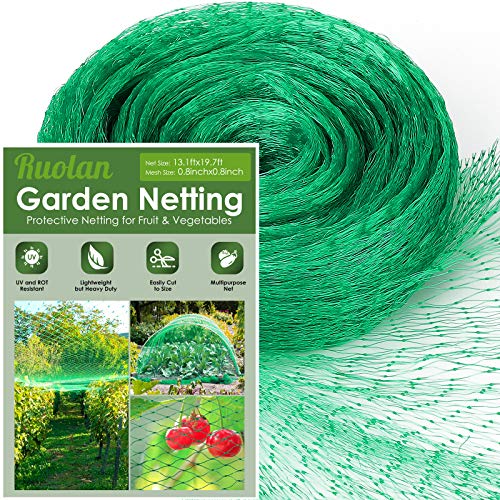
【Perfect size】(Garden Netting size 13ftX20ft, Mesh Size 0.8inchX0.8inch), Protect fruit tree plant blueberry strawberry from animals

Size: Deer netting size 7 feet x 100 feet; garden netting mesh size 3/4"; color: black; Easy to use accessories included: 10pcs installation nails & 50pcs cable ties

Large Size: You will receive 1pcs tree netting cover with zipper and drawstring. The size is 9 ft x 10 ft, making it fit large blueberry bushes and fruit trees.It is large enough to cover a variety of plants, including fruit trees, flower trees, blueberry bushes, citrus, shrubs, and more. Please check the size before purchasing to ensure proper fit
Types of Bird Netting
- Knotted Netting: This type uses knots at intersections, providing durability and strength. It works well for larger fruit trees where multiple seasons of use is essential.
- Knotless Netting: This lightweight option reduces snagging, making installation easier. It’s ideal for smaller trees and delicate fruits.
Installation
- Timing: Install the netting just before your fruit begins to ripen. If you place it too early, you might trap beneficial pollinators. If it’s too late, birds may have already damaged your harvest.
- Preparation: Clean the area around the trees. Remove any debris that could entangle the netting during setup.
- Securing the Net: Drape the netting over the tree, ensuring it covers the entire crown. Use stakes, stones, or weighted objects to secure the edges. This step prevents birds from sneaking underneath.
Maintenance
- Check Regularly: Inspect the netting periodically for holes or gaps. Repair any damage to maintain its effectiveness.
- Remove After Harvest: Take off the netting once harvesting is complete. This cleaning helps prevent entrapment of other wildlife and makes the area tidy.
- Scare Devices: Reflective tape, owl decoys, or shiny objects can deter birds.
- Taste Aversion Products: Some sprays deter birds by altering the taste of the fruit without harming it.
Using bird netting can significantly improve your harvest’s safety. By understanding its types, effective installation, and maintenance, you can protect your trees successfully and enjoy the fruits of your labor.
Benefits Of Bird Netting
Bird netting provides essential protection for fruit trees, ensuring you can enjoy your harvest without sharing it with wildlife. Here are the key benefits of using bird netting.
Protecting Fruit Yield
Using bird netting effectively safeguards fruit yield. You prevent birds from pecking at your fruit, which increases the chances of a bountiful harvest. For example, a single tree covered with netting can yield hundreds of berries or apples that would otherwise be lost to hungry birds. Install the netting before the fruit ripens to maximize protection.
Preventing Damage To Trees
Bird netting also prevents damage to trees. Birds can cause physical harm by pecking at branches and flowers, disrupting the tree’s growth. Protecting your trees with netting minimizes this risk, allowing them to thrive. For instance, covering a young sapling with bird netting helps it establish strong branches without the stress of relentless pecking. Ensure the netting is secured well to avoid any entanglement with the tree during windy conditions.
Timing Considerations
Timing plays a crucial role in the effectiveness of bird netting. You need to consider seasonal factors and the growth stage of your trees to ensure maximum protection for your fruit.
Recommended Products

HDPE Material for Outdoor Garden Use: Made from high-density polyethylene (HDPE), RIFNY garden bird netting is designed for outdoor plant protection and repeated seasonal use. The flexible mesh is suitable for backyard gardeners, vegetable gardens, raised beds, fruit trees, blueberry bushes, flower gardens, and orchards. The black netting provides a practical barrier for protecting plants while maintaining airflow and sunlight

Protect Your Vegetables and Fruits: LCHUANG Garden Netting is great for orchards, greenhouses, gardens, nurseries, patios, and shrubs. This Bird Netting with a zipper can protect blueberries, tomatoes, trees, fruits, flowers, vegetables, and potted plants from insects, birds, and bugs, which helps the plants grow normally.

【Garden Netting Kit】7.5ft x 100ft bird netting, 3/4" fine square netting mesh to keep any small birds out. Accessories included: 10 pcs metal U shaped staples, 50 pcs zip ties
Seasonal Factors
Install bird netting before fruit trees begin to bloom. Early installation protects blossoms from birds that might eat them. Monitor the local weather and typical bird activity patterns. Spring usually sees increased bird populations, making timely netting installation essential. Remove the netting after the harvest to prevent it from entangling with new growth or causing damage.
Growth Stage Of Trees
Assess the maturity of your fruit trees before applying netting. For young trees, secure netting when they start producing fruit. This helps shield developing fruits from birds. For mature trees, install the netting as soon as fruits begin to show color. The ideal time depends on the fruit type. For instance, berries might need protection earlier than stone fruits like peaches or plums. Regularly check for any signs of wear or damage during the growing season to ensure continued effectiveness.
Best Practices For Installation
Implementing bird netting correctly ensures effective protection for your fruit trees. Focusing on the right type of netting and proper installation techniques can make a significant difference in safeguarding your harvest.
Recommended Products

Protective bird netting effectively protects fruit, vegetation, chicken and berries from thieving birds and other other animals. Harsh Weather resistant, protect your plants without harming birds and other animals.

Extra Large Coverage: 15ft x 15ft bird netting offers full protection for large fruit trees and plants.

All-Season Netting for Garden Protection: This bird netting for garden offers year-round protection for your plants, fruits, vegetables and flowers from animals such as birds, deer, squirrels, rabbits, raccoons, poultry and other animals. The tight woven mesh design creates a strong barrier without disrupting plant growth, making it perfect for safeguarding vegetable gardens, fruit trees, flower beds, shrubs, and ponds. Ideal for protecting delicate crops such as blueberries, strawberries, and cherries, this garden netting effectively keeps unwanted critters out while supporting healthy, natural growth
Choosing The Right Type Of Netting
Select netting based on the size of your trees and the type of fruit produced.
- Knotted Netting: Ideal for larger trees and permanent installations. It’s durable and withstands harsh weather.
- Knotless Netting: Lightweight and suitable for smaller trees. It allows for easier handling and less risk of damaging fruit.
- Mesh Size: Choose a mesh with openings small enough to prevent birds from reaching the fruit, yet large enough to permit sunlight and rain.
Consider factors such as tree height, fruit size, and local bird species when deciding on the netting type. This choice influences both protection effectiveness and ease of maintenance.
Proper Installation Techniques
Follow these steps to install bird netting effectively:
- Timing: Install netting before fruit trees bloom. This practice protects blossoms and enhances fruit yield.
- Preparation: Clear the area around the trees of debris. Ensure easy access for installation and maintenance.
- Support Structure: Use poles or stakes to create a supportive framework around the tree. This method prevents the netting from collapsing onto the branches.
- Securing the Netting: Drape the netting carefully over the frame. Secure the edges with weights or stakes to prevent birds from sneaking underneath. Ensure no gaps are present.
- Regular Checks: Inspect the netting periodically for wear and tear. Make repairs promptly to maintain your protection strategy.
Following these practices will optimize the safety of your fruit and help maximize your harvest enjoyment.
Conclusion
Protecting your fruit trees from birds doesn’t have to be a daunting task. With the right bird netting and a little preparation you can enjoy a bountiful harvest without the worry of pesky peckers ruining your hard work. Remember to install the netting before your fruit starts to ripen and secure it properly to keep it safe from wind and other elements.
Regular maintenance is key to ensuring your netting remains effective throughout the season. By following these simple steps you’ll not only safeguard your fruits but also enhance your overall gardening experience. So gear up and get ready to enjoy the fruits of your labor in peace!
Frequently Asked Questions
What is bird netting?
Bird netting is a protective barrier made from mesh material that helps keep birds away from fruits and vegetables in gardens. It allows sunlight and rain to reach the plants while preventing birds from pecking at the produce.
Why is bird netting important for gardeners?
Bird netting is essential for gardeners as it protects fruit harvests from birds, which can quickly damage or consume ripe fruits. Using netting allows for a more successful and bountiful harvest.
What are the two types of bird netting?
The two main types of bird netting are knotted netting and knotless netting. Knotted netting is durable and ideal for larger trees, while knotless netting is lightweight and suitable for smaller trees.
How should I install bird netting?
To install bird netting, prepare a supportive framework around the tree, secure the netting tightly to prevent gaps, and ensure it is properly fastened to avoid entanglement in wind.
When should I install bird netting?
Bird netting should be installed before the fruits begin to ripen. This timing maximizes protection against birds and minimizes potential damage to the tree.
How do I maintain bird netting?
Regular maintenance of bird netting includes checking for any damage, ensuring the netting is securely fastened, and removing it after the harvest season to prolong its lifespan.
What are the benefits of using bird netting?
Using bird netting significantly increases fruit yield by protecting it from birds. It allows for healthy growth by ensuring that fruits are not pecked at, thereby enhancing the overall gardening experience.
Can bird netting harm birds?
When properly installed, bird netting shouldn’t harm birds. However, it’s crucial to secure it correctly and avoid gaps that could entangle birds or other wildlife.
