

Lime trees can thrive in Atlanta, GA, given the right conditions. Their adaptability to warm climates and well-drained soil makes them suitable for the region’s environment.
Lime Tree Varieties Suitable for Atlanta
When considering lime trees for cultivation in Atlanta, it’s essential to choose varieties that thrive in the region’s climate. The unique conditions of the area can influence growth and fruit production, making some types more suitable than others. This section explores the best lime tree varieties that can flourish in Atlanta’s environment.
Lime trees come in various types, each with unique characteristics that affect their growth in Atlanta. The most common varieties include the Persian lime and the Key lime.
Persian limes are more tolerant of cooler temperatures, while Key limes prefer warmer conditions. Choosing the right variety is crucial for successful cultivation.
| Lime Variety | Temperature Tolerance | Flavor Profile |
|---|---|---|
| Persian Lime | Moderate | Mild and juicy |
| Key Lime | Warm | Tart and aromatic |
Recommended Products

BRIGHTEN YOUR SPACE WITH CITRUS APPEAL: The Persian lime tree features vibrant leaves and glossy green fruit, adding freshness to indoor or patio spaces. Due to USDA regulations, we do not ship to freight forwarding locations, hotels, PO Boxes, Military (AFO/FPO), AZ, AL, CA, LA, HI, TX, Puerto Rico, Guam, U.S. Virgin Islands, American Samoa, and Northern Mariana Islands. Suited for mother's day gifts, plant gifts for women, and plant gifts for mom for growing citrus at home.


* Grow fresh citrus anywhere with this dwarf **persian lime tree**—ideal **lemon trees live plants** for home gardens.
Optimal Soil Types for Lime Trees
Understanding the optimal soil types for lime trees is crucial for successful cultivation in Atlanta, GA. The right soil composition not only supports healthy growth but also enhances fruit production. This section delves into the specific soil characteristics that can help lime trees thrive in the region’s unique climate and conditions.
Soil quality significantly influences lime tree growth. Lime trees prefer well-drained, sandy loam soils with a pH between 6.0 and 7.5. Heavy clay soils can lead to root rot, so amending the soil is essential.
Test soil pH regularly.
Amend with compost to improve drainage.
Ensure soil retains moisture without becoming waterlogged.
Atlanta’s Climate Impact on Lime Trees
Atlanta’s climate plays a crucial role in determining the viability of lime trees in the region. With its humid subtropical conditions, the city experiences hot summers and mild winters, which can both benefit and challenge the growth of these citrus trees. Understanding how these climatic factors interact with lime tree cultivation is essential for successful gardening in Atlanta.
Atlanta’s climate is characterized by hot summers and mild winters, which is generally favorable for lime trees. However, sudden cold snaps can damage young trees.
Protect young trees with frost blankets during cold spells.
Provide shade during extreme heat to prevent sunburn.
Monitor humidity levels to prevent fungal diseases.
Optimal Watering Techniques for Lime Trees
Proper watering is crucial for the health and productivity of lime trees, especially in Atlanta’s unique climate. Understanding the optimal techniques for irrigation can help ensure these trees thrive, producing abundant fruit while resisting common pests and diseases. This section outlines effective watering strategies tailored to the specific needs of lime trees in the Southern environment.
Proper watering is vital for lime tree health. Overwatering can lead to root rot, while underwatering can stress the tree.
Water deeply but infrequently.
Check soil moisture before watering.
Use mulch to retain soil moisture.
| Watering Schedule | Frequency | Amount per Tree |
|---|---|---|
| Young Trees | Weekly | 5 gallons |
| Mature Trees | Bi-weekly | 10 gallons |
Recommended Products
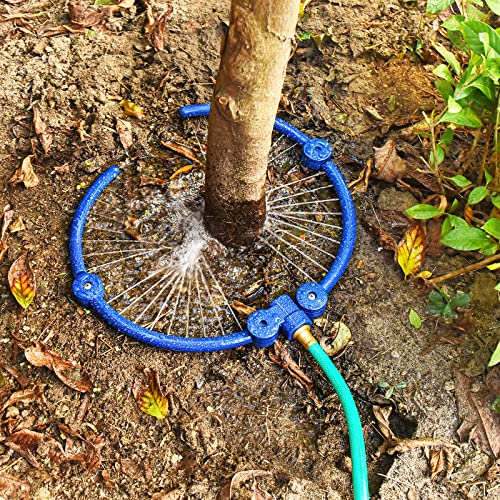
【Specially Designed for Trees and Shrubs】 The Watering Ring is a multi-purpose irrigation ring that attaches to a garden hose to efficiently water young trees shrubs vegetables or flower beds using drip or trickle irrigation.It directs water to the root perimeter of the plant to give them a good start during the first two growing seasons or through periods of drought.
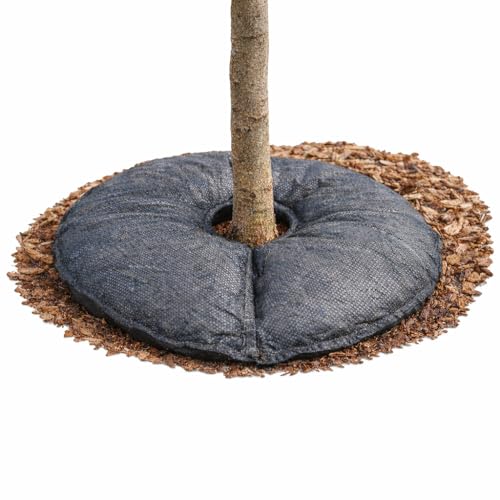
For Plants and Trees that with root balls about 12” in dia., (11-15”, e.g. 3-10 Gallon Container Sizes have top diameters between 11-15”) - Uses 99% LESS WATER than traditional tree bag over the course of multiple seasons for better establishment of the newly planted trees and shrubs! When the plant root ball is larger than 15”, the 36”, 48”, or multiple units of these larger sized SteadySpring Tree Mats are recommended to cover an area double of the root ball size or at least 20” larger than the root ball.

Adjustable Water Flow: The drip emitter can be adjusted to stop, micro-drip, and spray so that you can use the water drip system to water many kinds of plants in your garden. Moreover, the drip emitters have a support stake for easy placement in the soil
Nutrient Requirements for Lime Trees
Understanding the nutrient requirements for lime trees is essential for successful cultivation in Atlanta’s unique climate. Proper soil composition and nutrient management can significantly influence the health and productivity of these trees. This section delves into the specific nutritional needs that ensure robust growth and fruit production.
Lime trees require specific nutrients for optimal growth. A balanced fertilizer designed for citrus trees is ideal.
Apply fertilizer in early spring.
Follow package instructions for dosage.
Avoid fertilizing during dormancy in winter.
Lime Tree Pest and Disease Control Strategies
Maintaining healthy lime trees in Atlanta requires vigilance against pests and diseases that can threaten their growth. Understanding the common challenges faced by lime trees in this region is essential for effective management. This section outlines practical strategies for controlling pests and diseases, ensuring your lime trees thrive in the Southern climate.
Pests and diseases can threaten lime tree health. Common issues include aphids, scale, and fungal infections.
Inspect trees regularly for signs of pests.
Use organic insecticidal soap for infestations.
Ensure good air circulation to prevent fungal diseases.
Recommended Products

READY-TO-USE CONTACT SPRAY: No mixing required. Thoroughly spray insecticide on all plant parts, including the underside of leaves. Pests must be sprayed directly to achieve control

Made for Lime & Citrus Trees – Formulated to support healthy growth in lime and citrus trees.

CROP, GARDEN & HOUSEPLANT INSECT CONTROL. Trifecta Crop Control all-natural, plant-based formula effectively combats destructive spider mites, aphids, whiteflies, fungus gnats, and other soft-bodied pests on indoor and outdoor plants. Our biodegradable, eco-friendly solution is safe for use on edible crops, without chemical residues. Our gentle yet potent plant spray suffocates and dehydrates pests without harming beneficial insects or the environment, making it ideal for organic gardening.
Optimal Lime Harvest Timing in Atlanta
Understanding the optimal timing for lime harvest in Atlanta is essential for maximizing fruit quality and yield. Factors such as local climate, tree variety, and seasonal changes play a crucial role in determining when limes are ready for picking. This section will explore the best practices and specific timeframes for harvesting limes in the Atlanta area.
Harvesting limes at the correct time ensures the best flavor and quality. Limes typically mature in 6 to 9 months after flowering.
Check for a glossy appearance and slight softness.
Use pruning shears to avoid damaging the tree.
Harvest regularly to encourage new growth.
Lime Tree Cultivation Tips for Atlanta
Growing lime trees in Atlanta is feasible with the right care and attention to local conditions. Select the appropriate variety, manage soil and watering practices, and monitor for pests and diseases. This approach will lead to a fruitful lime harvest.
