

Have you ever planted a persimmon tree only to find it stubbornly refusing to bear fruit? You’re not alone. Many gardeners face this challenge, wondering what they might be doing wrong. Whether you’re a seasoned pro or a beginner, getting your persimmon tree to produce can feel like a puzzle.
This article will guide you through the essential steps to encourage your tree to thrive and bear delicious fruit. You’ll learn about proper care, ideal growing conditions, and some helpful tips that can make all the difference. With a little patience and the right approach, you can turn your persimmon tree into a fruitful addition to your garden.
Key Takeaways
- Choose the Right Variety: Understand the differences between American and Asian persimmon trees to select the variety that best suits your growing conditions and fruit preferences.
- Provide Ideal Growing Conditions: Ensure persimmon trees receive well-draining soil, ample sunlight (6-8 hours daily), and consistent watering while preventing waterlogging.
- Practice Proper Care: Use a balanced fertilizer in early spring, water deeply but infrequently, and maintain soil pH between 6.0 and 7.5 for optimal growth.
- Utilize Effective Pruning Techniques: Prune in late winter or early spring, remove dead wood, and thin excess fruit to promote healthy growth and larger yields.
- Understand Pollination Needs: Consider planting both male and female trees for American persimmons or utilize self-pollinating Asian varieties to enhance fruit set.
- Address Common Challenges: Regularly inspect for pests and diseases, manage environmental stressors like extreme temperatures, and ensure nutrient balance for thriving persimmon trees.
Understanding Persimmon Trees
Persimmon trees are remarkable fruit-bearing options for your garden. They thrive in various climates, bringing rich flavor and nutrition to your backyard.
Types of Persimmon Trees
You can choose from two main types of persimmon trees: American and Asian.
- American Persimmon (Diospyros virginiana): These trees grow well in the eastern United States. They typically reach heights of 30 to 60 feet and produce small, sweet fruits. They often take longer to bear fruit compared to their Asian counterparts.
- Asian Persimmon (Diospyros kaki): These trees are smaller, usually 15 to 25 feet tall. They offer larger, sweeter fruits and can bear fruit in as little as three years. Asian varieties are often preferred for their early fruit production and flavor.
Ideal Growing Conditions
Persimmon trees thrive in specific conditions that support their growth and fruiting potential.
- Soil: Well-draining soil is essential. Aim for a pH level between 6.0 and 7.5. Sandy loam works well, but normal garden soil with good drainage also supports tree health.
- Sunlight: Full sun exposure, ideally 6 to 8 hours daily, encourages robust growth and fruit-set. Plant your trees in a location that captures ample sunlight to maximize yield.
- Water: Regular watering, especially during dry spells, maintains soil moisture. However, avoid waterlogging, as it can stunt root growth and reduce fruit production.
- Temperature: Persimmons adapt to a range of temperatures, but they flourish in regions with warm summers and well-defined winters. Protect your trees from harsh winter winds for better fruiting.
By providing the right type of tree and ideal growing conditions, you set a solid foundation for your persimmon trees to bear fruit successfully.
Essential Care for Persimmon Trees
Providing proper care ensures persimmon trees thrive and produce fruit. Focus on soil, watering, and fertilization for optimal results.
Recommended Products
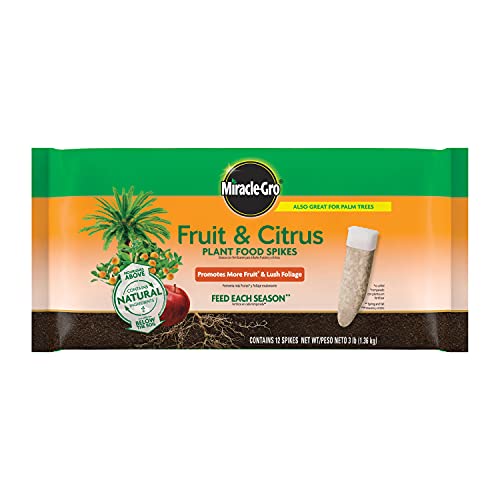
FORMULATED FOR CITRUS AND FRUIT TREES: Use these citrus fertilizer spikes on apple, orange, lemon, lime, and avocado trees; this formula is also great for feeding palm trees

Supports Roots, Foliage & Structure – Helps encourage strong roots and steady plant development.
Soil Requirements
Choose well-draining soil with a pH between 6.0 and 7.5 for best growth. Sandy loam or loamy soil types work well, allowing air and moisture to reach the roots. Avoid heavy clay soils, as they retain too much water. You can mix compost into the soil to improve fertility and drainage.
Watering Guidelines
Water persimmon trees deeply but infrequently. During the growing season, aim for about 1 inch of water per week. Monitor rainfall, and adjust as needed. Overwatering can lead to root rot, so ensure the soil dries slightly between watering sessions. If the leaves droop or turn yellow, increase your watering frequency.
Fertilization Tips
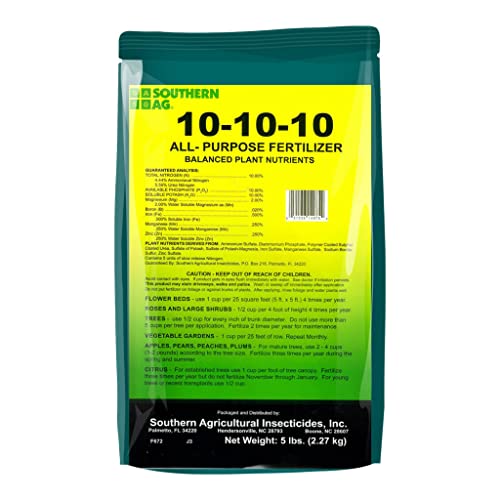
Fertilize persimmon trees in early spring as new growth appears. Use a balanced fertilizer with an N-P-K ratio of 10-10-10 at a rate of 1 pound per 100 square feet. Apply it around the base, keeping it away from the trunk. Reapply every few months to promote healthy growth and fruiting. If leaf discoloration occurs, consider adjusting your fertilizer choice or rate.
Techniques to Encourage Fruit Bearing
Encouraging persimmon trees to bear fruit involves specific techniques that enhance their growth and reproductive success. Focus on these crucial aspects: pruning strategies and pollination insights.
Pruning Strategies
Pruning plays a vital role in promoting fruit production in persimmon trees.
- Timing: Prune in late winter or early spring before new growth begins. This helps avoid damage to emerging buds.
- Remove Dead Wood: Clear out any dead, damaged, or crossing branches. This opens up the canopy, allowing more sunlight to penetrate.
- Shape the Tree: Aim for an open center structure. This encourages airflow, reducing the risk of disease, and enhances sunlight distribution, benefiting fruit development.
- Thin Fruit: If the tree sets too many fruit, thin them by removing some early on. This practice ensures larger, healthier fruit as the tree can focus its energy on fewer pieces.
Pollination Insights
Pollination significantly influences fruit set on persimmon trees.
- Consider Flower Types: Understand that American persimmons may be dioecious, meaning male and female flowers grow on separate trees. Plant at least one male tree among females for effective pollination.
- Pollinator Attractants: Plant flowers nearby that attract pollinators, such as bees. Examples include sunflowers, lavender, or clover, which fuel pollinator activity.
- Self-Pollinating Varieties: Utilize self-pollinating Asian persimmons if space is limited. However, planting multiple varieties can enhance fruit yield and size.
- Hand Pollination: In cases of low pollinator activity, consider hand pollination using a small brush or cotton swab to transfer pollen from flower to flower.
Implementing these techniques helps ensure that your persimmon trees not only flourish but also bear delicious fruit.
Common Challenges and Solutions
Persimmon trees face various challenges that can hinder fruit production. Understanding these issues helps you take effective action.
Recommended Products

PLANT DISEASE CONTROL: Natria Neem Oil acts as an insecticide and fungicide in one convenient spray; Ready-to-use trigger sprayer requires no mixing


ADVANCED FORMULA: Emulsifiers built into the formula so you just add water. 100% pure oils require an emulsifier to allow oil and water to mix. Nature's IQ has this already built in so you just add water.
Pests and Diseases
Pests and diseases pose significant threats to persimmon trees. Common pests include aphids, spider mites, and scale insects, which can sap the tree’s strength. For prevention, regularly inspect your trees for signs of infestation. Use insecticidal soap or neem oil for treatment if you spot these pests.
Diseases like root rot and leaf spot also affect persimmons. Root rot often results from overwatering. To prevent this, ensure your soil drains well and only water when necessary. Leaf spot, a fungal issue, can be managed by removing affected leaves and applying fungicides when needed.
Environmental Stress Factors
Environmental stress factors impact persimmon fruiting. Extreme temperatures can lead to blossoms falling off before fruit set. To protect your trees, provide winter protection using mulch or windbreaks for young trees.
Water stress during flowering can cause poor fruit set. During dry spells, maintain consistent moisture around the root zone. Using mulch helps retain soil moisture and regulates temperature.
Nutrient deficiencies also hinder growth. Test your soil to identify nutrient levels, then amend it with compost or organic fertilizers based on results. Ensuring balanced nutrition supports healthier trees and more fruit production.
By addressing these challenges promptly, you can encourage your persimmon trees to thrive and produce fruit.
Conclusion
Growing persimmon trees can be a rewarding journey when you know how to nurture them properly. By providing the right care and understanding their needs you can create an environment where these trees thrive and produce delicious fruit.
Don’t forget that patience is key. It might take some time for your trees to bear fruit but with consistent attention and the right techniques you’ll be well on your way to enjoying the sweet rewards of your efforts. Happy gardening and may your persimmons flourish!
Frequently Asked Questions
Why is my persimmon tree not bearing fruit?
A persimmon tree may not bear fruit due to factors such as improper care, inadequate sunlight, or poor soil conditions. Ensure the tree receives full sun, has well-draining soil, and is properly watered. Additionally, check for pollination needs, as some persimmon trees require male trees for fruit set.
What are the best growing conditions for persimmon trees?
Persimmon trees thrive in well-draining soil with a pH of 6.0 to 7.5, full sun exposure, and regular watering. Ideal conditions include sandy loam or loamy soil types. Protect your trees from harsh winter winds for optimal growth.
How often should I water my persimmon tree?
Water your persimmon tree deeply but infrequently, aiming for about 1 inch of water per week. Monitor for signs of overwatering, as persimmon trees do not tolerate soggy conditions. Adjust based on rainfall and soil moisture levels.
When should I prune my persimmon tree?
Prune your persimmon tree in late winter or early spring before new growth begins. This helps remove dead wood and shape the tree, improving sunlight exposure and airflow, which encourages fruit production.
How can I improve pollination for my persimmon trees?
For effective pollination, plant male persimmon trees alongside females if you have American varieties, as they require cross-pollination. If you have Asian persimmons, which are often self-pollinating, consider adding pollinator-attracting flowers or practicing hand pollination for better yields.
What pests and diseases should I watch for with persimmon trees?
Common pests include aphids and spider mites. Regular inspections and treatments with insecticidal soap or neem oil can help. Diseases like root rot and leaf spot can be managed by ensuring good drainage and removing affected leaves.
How can I fertilize my persimmon tree?
Fertilize your persimmon tree in early spring with a balanced fertilizer, applying it around the base. Reapply every few months to support healthy growth and fruit production. Soil testing can help determine specific nutrient needs.
