

Growing persimmon trees in a pot in Colorado’s high altitude requires careful selection and management to thrive. Choose cold-hardy varieties and implement specific care techniques to ensure successful growth in challenging conditions.
Cold-Hardy Persimmon Cultivars for Colorado
Choosing the right persimmon variety is crucial for success in Colorado’s climate. The American persimmon and certain cultivars of the Japanese persimmon are known for their hardiness. These varieties can withstand colder temperatures and have adapted well to high altitudes.
American Persimmon: This species is native to North America and can tolerate temperatures as low as -10°F.
Fuyu Persimmon: A popular Japanese cultivar that is semi-hardy and produces sweet, non-astringent fruit.
Saijo Persimmon: Known for its rich flavor, this variety is also cold-tolerant and suitable for pot cultivation.
Recommended Products
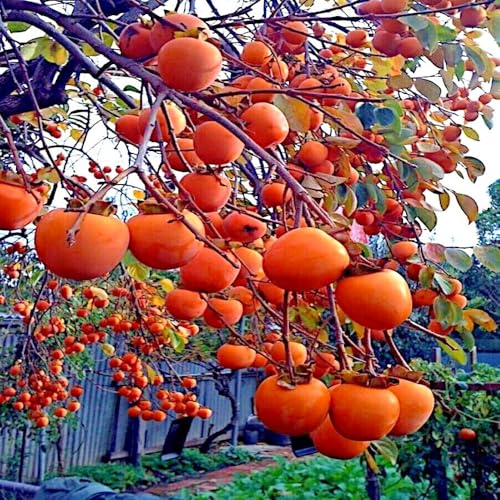
Cold Hardiness: Cold hardy Diospyros seeds survive temperatures down to 10°F once established; Suitable for growing in USDA zones 7-10; More tolerant of temperature fluctuations than many other fruit trees
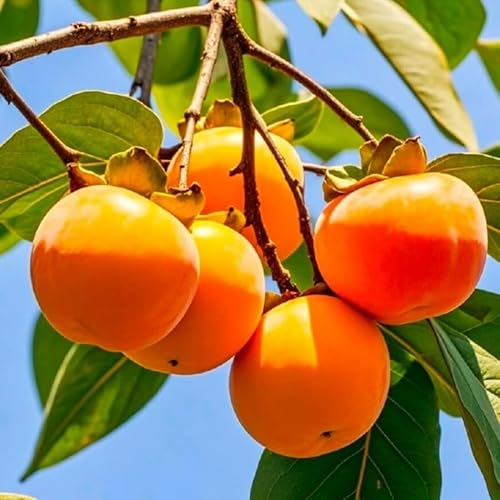
Easy Growing: Cold-hardy persimmon tree seeds thrive in various climates and require minimal maintenance, perfect for both novice and experienced gardeners

Yields sweet Diospyros Virginiana persimmons, ideal for fall uses like roasted servings or fresh meal pairings
Optimal Potting Mix for Persimmons
Selecting the right potting mix is crucial for successfully growing persimmon trees in pots, especially in Colorado’s high-altitude climate. The ideal blend not only supports healthy root development but also ensures proper drainage and moisture retention, which are essential for these trees to thrive. Understanding the specific requirements of persimmons will help you create the perfect environment for their growth.
The potting mix plays a significant role in the health of your persimmon tree. A well-draining mix will prevent root rot and ensure adequate moisture retention.
Use a blend of potting soil, perlite, and compost.
Aim for a pH level between 6.0 and 7.0 for optimal growth.
Ensure the pot has drainage holes to allow excess water to escape.
| Component | Ratio |
|---|---|
| Potting Soil | 50% |
| Perlite | 30% |
| Compost | 20% |
Watering and Fertilization for High Altitude Persimmons
Successfully growing persimmon trees in pots at high altitudes in Colorado requires careful attention to watering and fertilization. The unique climate conditions can affect moisture retention and nutrient availability, making it essential to adopt tailored strategies for these trees. Understanding how to manage these factors will help ensure healthy growth and fruitful harvests.
Watering and fertilization are critical for maintaining healthy persimmon trees. High altitude can lead to rapid moisture loss, so monitoring is essential.
Water deeply once a week, adjusting frequency based on weather conditions.
Use a balanced fertilizer during the growing season to promote healthy growth.
Reduce watering in the fall to prepare the tree for dormancy.
Recommended Products

Package contains 4 Pounds organic fruit and citrus fertilizer grains and is produced to avoid wasteful runoff, mess, hazards and smells

Made for Lemon & Citrus Trees – Formulated to support healthy growth in lemon and citrus plants.

Balanced Organic Nutrition – Supplies a 6‑3‑3 NPK ratio along with calcium, sulfur, iron, and zinc to foster healthy foliage, flowering, and fruit.
Pest and Disease Prevention Strategies
Growing persimmon trees in pots at high altitudes presents unique challenges, particularly when it comes to pest and disease management. In Colorado’s variable climate, understanding effective prevention strategies is essential to ensure healthy growth and fruit production. This section explores practical methods to safeguard your potted persimmons from common threats.
High altitude can expose persimmon trees to specific pests and diseases. Regular monitoring and preventive measures can help mitigate these issues.
Inspect leaves for signs of pests like aphids and spider mites.
Apply organic insecticidal soap as needed.
Watch for fungal diseases such as powdery mildew, especially in humid conditions.
Maximizing Sunlight for Potted Persimmons
Maximizing sunlight is crucial for the successful growth of potted persimmon trees, especially in Colorado’s high-altitude environment. With the intense sun exposure and fluctuating temperatures, understanding how to position your pots and select optimal locations can significantly enhance fruit production and overall tree health. This section explores practical strategies to ensure your persimmons receive the sunlight they need.
Persimmon trees require plenty of sunlight to produce fruit. Positioning your potted tree correctly can maximize its growth potential.
Place the pot in a location that receives at least 6 hours of direct sunlight daily.
Consider using reflective surfaces to enhance light exposure in shaded areas.
Rotate the pot periodically to ensure even growth on all sides.
Managing Temperature Variations for Persimmons
Growing persimmon trees in pots at high altitudes presents unique challenges, particularly in managing temperature fluctuations. Colorado’s variable climate can stress these trees, impacting their growth and fruit production. Understanding how to regulate temperature effectively is crucial for successful cultivation and ensuring a healthy, productive tree.
Temperature fluctuations can stress persimmon trees, especially during the night. Implementing strategies to manage these changes is essential.
Use frost cloths or blankets to cover the tree during unexpected cold snaps.
Bring the pot indoors during extreme weather events.
Ensure the pot is elevated off cold surfaces to prevent root chilling.
Persimmon Harvesting and Storage Techniques
Harvesting persimmons at the right time is crucial for maximizing flavor and quality, especially in Colorado’s unique high-altitude climate. Understanding the best techniques for picking and storing these fruits ensures that you can enjoy their sweet taste long after the growing season ends. This section outlines effective methods tailored to the challenges of cultivating persimmons in pots at higher elevations.
Once your persimmons are ripe, proper harvesting and storage techniques will enhance their flavor and longevity.
Harvest when the fruit is fully colored and slightly soft to the touch.
Store harvested persimmons in a cool, dry place to extend shelf life.
Use a breathable container to prevent moisture buildup.
Common Potted Persimmon Problems
Growing persimmon trees in pots can be rewarding, but it also presents unique challenges, especially in Colorado’s high altitude. Understanding the common problems that arise in potted persimmons is crucial for successful cultivation. This section delves into the typical issues growers face and offers insights on how to effectively address them.
Understanding and addressing common issues can improve your chances of success with potted persimmons.
Leaf Drop: Often caused by overwatering or sudden temperature changes.
Poor Fruit Set: Can result from inadequate sunlight or nutrient deficiencies.
Stunted Growth: May indicate root-bound conditions or poor soil quality.
Critical Warning: Always monitor your potted persimmon tree for signs of stress and adjust care practices accordingly.
By following these guidelines, you can successfully grow persimmon trees in pots at high altitudes in Colorado.
