

Ever looked at your apple tree and wondered why it’s not producing as much fruit as you hoped? You’re not alone. Many gardeners face the same issue, often feeling frustrated when their trees seem to underperform.
Key Takeaways
- Pruning Importance: Pruning apple trees is essential for boosting fruit production, enhancing air circulation, and ensuring healthy growth by removing dead or diseased wood.
- Optimal Timing: The best time to prune apple trees is late winter or early spring when the trees are dormant, minimizing stress and promoting healing.
- Effective Techniques: Utilize techniques like heading back to encourage bushier growth and thinning out to improve overall structure and light penetration.
- Proper Tools: Invest in sharp, clean tools such as hand pruners, loppers, pruning saws, and safety equipment to achieve precise cuts and protect yourself during the pruning process.
- Avoid Common Mistakes: Minimize stress on trees by avoiding over-pruning, maintaining natural shape, and using clean tools to prevent disease.
- Regular Monitoring: Keep track of tree health and prune accordingly, adjusting techniques based on the age and overall condition of the tree for better fruit yields.
Importance Of Pruning Apple Trees
Pruning apple trees plays a crucial role in enhancing fruit production. It promotes better air circulation and sunlight exposure, both essential for healthy growth. When you prune correctly, you eliminate overcrowded branches, allowing the tree to direct nutrients toward fruit development.
Pruning improves tree health by removing dead or diseased wood. This action reduces the risk of pests and diseases, ensuring your apple trees remain vigorous. Healthy trees yield better crops, giving you a more abundant harvest.
Effective pruning shapes the tree for optimal growth. When you maintain a balanced structure with strong scaffolding branches, the tree can support more fruit. Aim for an open center design, which allows light to penetrate and encourages even ripening.
Timing matters when pruning apple trees. Late winter or early spring, while trees are still dormant, is the best time. This timing minimizes stress and maximizes the healing process. Regular pruning every year leads to improved fruit yield over time.
When pruning, use sharp, clean tools to make precise cuts. This practice prevents injury to the tree and minimizes the risk of infection. Ideal cuts are at a 45-degree angle, directing moisture away from the wound and supporting recovery.
Pruning serves as a vital practice for increasing fruit yield in apple trees. When you prioritize proper techniques and timing, you set your trees up for success. Enjoy a bountiful harvest when you put these strategies into action.
Understanding The Right Time To Prune
Pruning apple trees at the right time enhances fruit production. Knowledge of seasonal timing and recognizing specific signs helps ensure optimal growth.
Recommended Products

Adjustable and Durable Handle - Extendable Loppers: The lopping shears are adjustable from 16 inches to 24 inches, allowing you to handle tall branches easily. The iron arm is more sturdy and durable, and will not bend even when cutting large and thick branches.

★ 1. What you get: Professional convenient grafting tool set including a dual-use grafting pruner tool contain 2 extra replaceable blades, a wrench and a screwdriver, along with 36pcs wide rubber bands, 150 thick rubber bands and 1 grafting tape, packed in a black wallet to meet all your needs

Heat-Treated Serrated Saw Blade: 8" saw blade designed for efficient cutting of branches and tough materials, ensuring sharpness and durability.
Seasonal Considerations
Late winter or early spring serves as the best time for pruning apple trees. During this period, trees remain dormant, making it less likely for them to suffer from stress. Aim for a time when temperatures are consistently above freezing. Avoid pruning during late spring or summer, as this can encourage new growth that may not mature before winter.
Signs That Pruning Is Needed
Several indicators signal that your apple tree needs pruning:
- Overcrowded Branches: Clusters of branches can hinder air circulation and sunlight exposure. If branches cross or crowd each other, it’s time to prune.
- Dead or Diseased Wood: Look for brown, brittle, or suspiciously wilted branches. Removing these helps prevent the spread of diseases.
- Reduced Fruit Production: A decline in fruit yield signifies that the tree is under stress. Pruning can redirect energy toward healthy fruit development.
- Unbalanced Growth: If one side of the tree is significantly bushier, balance it out by trimming back the overgrown areas.
Regular observation throughout the year helps you notice these signs. Keeping track of your apple tree’s growth promotes healthier development and a more fruitful harvest.
Techniques For Pruning Apple Trees
Pruning apple trees involves specific techniques that enhance fruit production. Effective methods focus on shaping the tree, promoting air circulation, and fostering healthy fruit development.
Recommended Products

ULTRA SHARP - Much less effort to cut branches with our pruning shears. Crafted from premium SK5 steel with titanium coating, our garden scissors and garden clippers boast exceptional durability and sharpness. A perfect pruning shears for gardening and a must-have garden tool, hedge clippers pruners for gardening
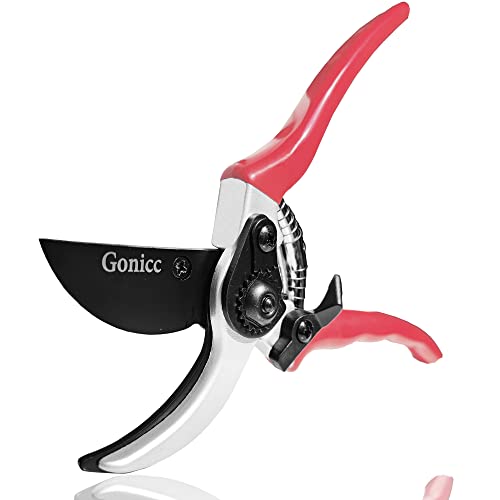
Drop forged body and handles, quality blade made of high carbon steel with Ultra-fine Polishing Technology.
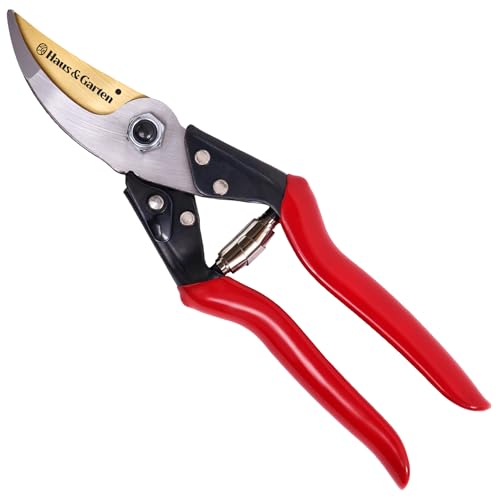
Sharp, Clean Cuts Every Time: Forged from Japanese-grade high-carbon steel with a titanium blade coating, ForgedPRO bypass pruning shears for gardening stay razor-sharp and make precise cuts that promote healthy plant growth
Heading Back
Heading back involves cutting back long shoots to encourage bushier growth. When you prune in this way, select vigorous branches that grow too tall, removing a third or half of their length. This technique promotes lateral growth, which leads to more branches that can support fruit. Always make cuts at a slight angle just above a bud, encouraging new growth toward the center of the tree.
Thinning Out
Thinning out removes excess branches to improve light penetration and air circulation. Look for crowded areas where branches overlap or cross each other. Select the weakest branches to remove, focusing on improving the overall structure of the tree. This process allows nutrients to concentrate on remaining branches for better fruit development. Aim to maintain an open center in the tree to facilitate airflow and sun exposure, key factors for healthy fruit production.
Tools You Will Need
Pruning apple trees effectively requires specific tools. Having the right equipment ensures you can make clean cuts and maintain your trees’ health.
Recommended Products

TONYINGO All-in-One Pole Saw, Tree Trimmer & Pruner for High Branches: Our extendable manual pole saw functions as a complete branch cutter, tree trimmer, and pruner in one tool. The 5–20 FT adjustable pole reaches up to 26 FT overhead, letting you safely trim tall branches without climbing ladders

Sharp Mn Steel Blade for Fast & Clean Cuts: This pole saw uses a sharp three-sided edge with a double-sided barb design to grip branches securely and cut smoothly from multiple angles. The Mn steel blade is durable, rust-resistant, and lightweight, delivering fast, clean cuts. This is a manual pole saw with detachable pole sections for adjustable reach, not pruner, not a telescoping pole; it is neither electric nor battery-powered.

【Multi-purpose Tree Pruner】The telescopic pole pruner has a shearing function and can be used for picking fruit and trimming high branches. The sharp blade of the fruit picking rod can easily cut branches up to 1/2 inch in diameter, and the included serrated saw blade uses double-sided cutting technology, making it easy to cut through thicker tree trunks. Its versatile design makes it an indispensable tool for gardening.
Essential Pruning Tools
- Hand Pruners: Ideal for small branches up to ¾ inch thick, choose sharp, sturdy hand pruners for precise cuts.
- Loppers: Use loppers for branches between ¾ inch and 2 inches thick. Their long handles provide leverage, making cutting easier.
- Pruning Saw: For larger branches over 2 inches thick, a pruning saw offers the necessary strength and reach. Opt for a curved blade for better maneuverability.
- Pole Pruner: A pole pruner extends your reach for high branches. This tool often combines a saw and an attached pruner for versatility.
- Gloves: Thick gardening gloves protect your hands from thorny branches and splinters.
- Safety Glasses: Protect your eyes from falling debris or branches during pruning.
- Hearing Protection: If using power tools, earplugs or earmuffs will help guard against noise.
- Sturdy Footwear: Wear boots with good traction to prevent slips while working around uneven ground or ladders.
Using the right tools and safety equipment enhances your pruning experience, promoting healthier apple trees and a more fruitful harvest.
Common Mistakes To Avoid
Pruning apple trees involves specific strategies, and avoiding common mistakes boosts your chances of increased fruit production.
Pruning Too Much
Pruning too much at once stresses the tree. Limit yourself to removing 20-30% of the tree’s branches during a single session. This approach allows the tree to recover and encourages healthier growth.
Ignoring Shape and Structure
Failing to maintain the tree’s natural shape can hinder fruit production. Focus on shaping the tree to create an open center. This structure improves air circulation and light penetration.
Pruning at the Wrong Time
Pruning at an inappropriate season can lead to reduced fruit yields. Late winter or early spring is best because trees are dormant. Avoid pruning in late summer or fall, as this can stimulate new growth that may not harden before winter.
Neglecting Clean Tools
Using dirty or dull tools can introduce diseases and injuries to the tree. Always use sharp, sanitized cutting tools. Clean your equipment with rubbing alcohol before starting to ensure better cuts and reduce the risk of infection.
Overlooking Smaller Branches
Ignoring small branches often leads to overcrowded growth. Prune smaller branches to improve light access and air circulation. This action encourages fruit development on the remaining, healthier branches.
Failing to Consider Tree Age
Not considering the tree’s age can result in ineffective pruning. Young trees benefit from more formative pruning, while mature trees require maintenance to remove dead or diseased wood. Tailor your approach based on tree age.
Disregarding Tree Health
Ignoring signs of disease or stress can significantly affect fruit production. Regularly check your trees for symptoms like discoloration, wilting, or infections. Addressing health issues promptly is crucial for overall productivity.
Not Keeping Records
Neglecting to keep records of your pruning activities can hinder improvement over time. Document dates, methods, and results to evaluate what works best for your trees. This practice enables you to make informed decisions in future seasons.
Conclusion
Pruning your apple trees can transform your harvest from disappointing to delightful. By taking the time to prune properly you’re not just enhancing fruit production but also promoting overall tree health. Remember to keep an eye on your trees throughout the year and act when you notice overcrowding or other signs that it’s time to prune.
With the right techniques and tools you can create a thriving environment for your apple trees. You’ll enjoy watching them flourish and reward you with a bountiful harvest. So grab those pruners and get started—your future apple pies will thank you!
Frequently Asked Questions
Why are my apple trees not producing fruit?
The lack of fruit on apple trees can be due to overcrowded branches, insufficient sunlight, or poor nutrient distribution. Regular pruning helps to address these issues by improving air circulation and allowing better light penetration, ultimately promoting healthier fruit production.
When is the best time to prune apple trees?
The ideal time to prune apple trees is in late winter or early spring while the trees are still dormant. This timing minimizes stress on the trees and encourages robust growth, leading to better fruit production.
What are the key techniques for pruning apple trees?
Key pruning techniques include “heading back,” which involves cutting back long shoots to promote bushier growth, and “thinning out,” which removes excess branches for better airflow. These methods enhance light exposure and direct nutrients towards fruit development.
What tools do I need for pruning apple trees?
Essential tools for pruning apple trees include hand pruners, loppers, a pruning saw, and a pole pruner for high branches. Additionally, safety gear like gloves, safety glasses, and sturdy footwear is important for a safe pruning experience.
What mistakes should I avoid when pruning apple trees?
Avoid pruning too much at once, as this can stress the tree. Maintain the tree’s natural shape, prune at the right times, use clean tools, attend to smaller branches, and pay attention to the tree’s overall health to encourage optimal growth.
