

Are your fruit trees under attack from hungry birds? You’re not alone. Many gardeners face the same struggle when trying to protect their hard-earned harvests. Those pesky birds can quickly turn a promising crop into a feast for themselves, leaving you feeling frustrated.
Key Takeaways
- Importance of Protection: Safeguarding fruit trees from birds is crucial for preserving your harvest and avoiding significant crop losses.
- Benefits of Bird Netting: Netting effectively prevents damage, protects ripening fruit, and may reduce the need for pesticides, promoting a healthier environment.
- Timing Matters: Implement bird netting before blossoming and during the ripening stage to provide the best protection for your fruits.
- Choosing the Right Netting: Select between lightweight and heavy-duty netting based on your tree size and bird activity for optimal protection.
- Installation Steps: Measure your tree correctly, prepare it by pruning and clearing debris, and ensure thorough coverage without gaps during installation.
- Ongoing Maintenance: Regularly check the netting for tears or trapped birds, and secure it properly to maintain its effectiveness throughout the growing season.
Importance Of Protecting Fruit Trees
Protecting fruit trees is essential for maintaining a successful harvest. Birds can swiftly consume your crops, leading to significant losses. By using bird netting, you create a physical barrier that helps keep these pests away.
Benefits Of Netting
Netting provides several advantages:
- Prevents Damage: Netting acts as a shield, preventing birds from pecking and eating the fruit.
- Protects Ripening Fruit: As fruits ripen, they become more attractive to birds. Netting ensures those fruits remain protected until harvest.
- Reduces Pesticide Use: By securing your trees, you might lower the need for chemical interventions, promoting a healthier environment.
Types Of Birds To Protect Against
Different bird species target fruit trees, including:
- Sparrows: They’re known for their flocking behavior, quickly devouring fruit.
- Starlings: These birds can strip trees clean in a short amount of time.
- Robins: Often drawn to ripe berries, robins can create significant damage.
Timing For Protection
Applying bird netting should align with fruit development:
- Pre-Bloom Stage: Installing netting before blossoms appear can prevent birds from feeding on flower buds.
- Ripening Stage: Covering the trees once fruits start to develop ensures protection during the critical ripening phase.
By understanding the importance of protecting your fruit trees, you can implement effective strategies that shield your crops from bird damage.
Types Of Bird Netting
Choosing the right type of bird netting is essential for effectively protecting your fruit trees. Two main options are lightweight netting and heavy-duty netting, each with distinct features and benefits.
Recommended Products

✅【Premium Heavy-Duty Material for Long-Lasting Protection】 VITI Fruit Trees Netting Crafted from reinforced polyethylene with UV-resistant coating, this netting is designed to withstand harsh weather conditions, including sun exposure, rain, and wind, without tearing or degrading over time. Unlike flimsy alternatives, its tear-resistant structure ensures multi-season use, saving you replacement costs.

Protective bird netting effectively protects fruit, vegetation, chicken and berries from thieving birds and other other animals. Harsh Weather resistant, protect your plants without harming birds and other animals.
Lightweight Netting
Lightweight netting is easy to handle and install. It’s ideal for smaller fruit trees or delicate fruits like berries. This type of netting minimizes weight on branches, reducing the risk of damage.
- Material: Typically made from polyethylene or polypropylene.
- Mesh Size: Smaller mesh sizes effectively block small birds while allowing sunlight and rain to reach the fruit.
- Installation: You can drape it over your trees or use stakes to secure it in place.
- Durability: While it provides good protection, it may wear out after a season or two.
Heavy-Duty Netting
Heavy-duty netting is designed for more robust protection and durability. It works well for larger trees or in areas with many birds.
- Material: Often constructed from stronger materials like UV-resistant polyethylene.
- Mesh Size: Larger mesh sizes can deter larger birds and other pests while still maintaining good airflow.
- Installation: It requires more effort for secure installation but offers enhanced protection once in place.
- Durability: This netting can last several seasons, making it a cost-effective choice over time.
By selecting the right type of bird netting, you can better protect your fruit trees and ensure a fruitful harvest.
Steps To Cover Fruit Trees With Bird Netting
Covering your fruit trees with bird netting is a straightforward process that effectively protects your harvest from pesky birds. Follow these steps for a successful installation.
Recommended Products
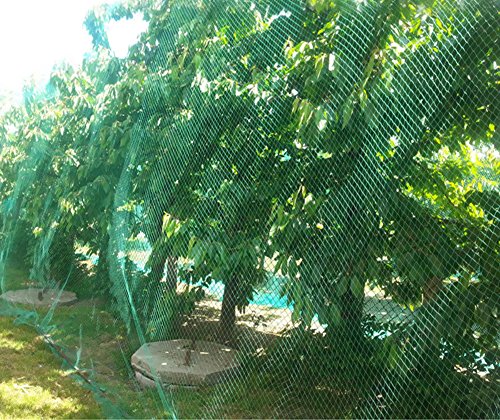
Excellent Material & Quality: Our bird netting is made of strong and durable PE with high stretch, light-weight but not tear easily; It is anti-UV and tough enough to withstand the effects of the sun and bad weather conditions, so you can use the garden netting repeatedly until the end of the season; The size of the poultry netting mesh refers to the measured length straightened from the far left to the far right
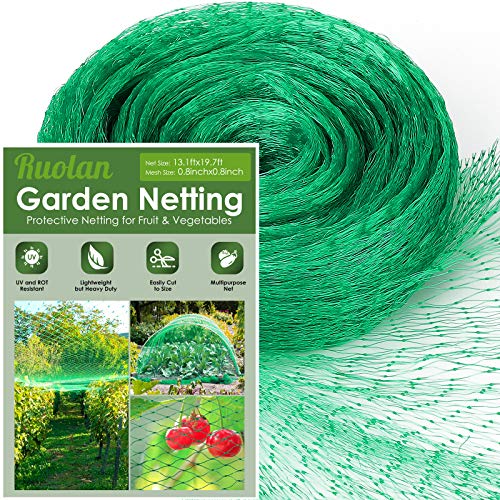
【Perfect size】(Garden Netting size 13ftX20ft, Mesh Size 0.8inchX0.8inch), Protect fruit tree plant blueberry strawberry from animals

Protect Your Vegetables and Fruits: LCHUANG Garden Netting is great for orchards, greenhouses, gardens, nurseries, patios, and shrubs. This Bird Netting with a zipper can protect blueberries, tomatoes, trees, fruits, flowers, vegetables, and potted plants from insects, birds, and bugs, which helps the plants grow normally.
Selecting The Right Netting Size
Choosing the right size of bird netting is crucial. You’ll want netting that’s large enough to cover the entire canopy of your tree without tearing or bunching.
- Measure the Tree: Measure the height and width of the tree to determine the amount of netting you need.
- Select Appropriate Mesh Size: For smaller birds, use a mesh size of 1/2 inch or smaller. For larger birds, such as starlings, opt for a slightly larger mesh, but it shouldn’t exceed 1 inch.
- Consider the Tree Growth: Choose netting that allows for growth. Many gardeners select netting that extends a few feet beyond the tree’s dimensions.
Preparing The Fruit Tree
Preparation is key to a successful application.
- Prune Dead Branches: Remove any dead or broken branches to ensure the netting won’t get caught.
- Clear the Ground: Remove debris and any potential perches under the tree. This action discourages birds from hopping onto the netting.
- Check for Pests: Assess the tree for pests or diseases before applying the netting. Treat any issues before encasing the tree.
Applying The Bird Netting
Applying the netting requires attention to detail for effective coverage.
- Lay the Netting Out: Unroll the netting on the ground next to the tree. This step ensures you have everything ready for a smooth installation.
- Drape the Netting: Gently drape the netting over the tree, starting from the top and working your way down. Ensure it’s even and covers all branches.
- Secure the Netting: Use stakes, garden pins, or heavy stones to secure the edges of the netting to the ground. This prevents birds from getting under the netting.
- Check for Holes: Inspect the netting for any gaps or holes. Reseal or patch as needed to ensure no birds can access the tree.
This structured approach to covering your fruit trees with bird netting effectively keeps your harvest safe and sound.
Tips For Effective Use Of Bird Netting
Bird netting effectively protects your fruits from feathered pests. Follow these tips to use it properly and efficiently.
Recommended Products

COMPLETE PROTECTION KIT - Professional-grade 7ft x 100ft deer netting with 3/4" fine mesh that effectively blocks deer, rabbits, birds, and small pests. Includes 10 metal landscape staples and 50 zip ties for immediate installation - everything you need in one package.

【Garden Netting Kit】7.5ft x 25ft bird netting, 3/4" square netting mesh to keep any small birds out. Accessories included: 10 pcs metal U shaped staples, 50 pcs zip ties

HDPE Material for Outdoor Garden Use: Made from high-density polyethylene (HDPE), RIFNY garden bird netting is designed for outdoor plant protection and repeated seasonal use. The flexible mesh is suitable for backyard gardeners, vegetable gardens, raised beds, fruit trees, blueberry bushes, flower gardens, and orchards. The black netting provides a practical barrier for protecting plants while maintaining airflow and sunlight
Regular Checks And Maintenance
Regular checks ensure the netting remains intact. Inspect the netting every week, especially after storms or strong winds. Look for any tears or holes that birds could use to access your fruit. Repair any damage immediately with a durable patch or tape. Additionally, check for trapped birds. If birds get caught in the netting, gently release them to prevent stress or injury. Keeping a close eye allows for timely adjustments, maintaining the netting’s effectiveness.
Securing The Netting Properly
Properly securing the netting is crucial for maximum protection. Start by anchoring the corners of the netting tightly to the ground, using stakes or weights. This prevents the netting from blowing away. Use garden ties or clips to attach the netting to the tree’s trunk and branches, ensuring it stays in place. Make sure to avoid tight ties that could damage the tree. Finally, ensure the netting drapes over the tree without gaps, protecting your fruits from curious birds.
Conclusion
Protecting your fruit trees from pesky birds doesn’t have to be a daunting task. With the right bird netting and a few simple steps you can keep those feathered friends at bay and enjoy a bountiful harvest.
Remember to choose the netting that best suits your trees and follow the installation tips for maximum effectiveness. Regular checks and maintenance will ensure your netting stays intact throughout the growing season.
By taking these proactive measures you’ll not only safeguard your fruits but also create a thriving garden environment. Happy gardening and may your trees be laden with delicious, untouched fruit!
Frequently Asked Questions
What is the best way to protect fruit trees from birds?
Using bird netting is the most effective way to protect fruit trees. It creates a physical barrier that prevents birds from reaching the fruit. Make sure to install the netting at the right time, typically before bloom or during the ripening stage for optimal protection.
Which birds commonly damage fruit trees?
Common bird pests that target fruit trees include sparrows, starlings, and robins. These birds can significantly affect your harvest, making it crucial to put measures in place to safeguard your crops.
What are the types of bird netting available?
There are two main types of bird netting: lightweight and heavy-duty. Lightweight netting is great for smaller trees and delicate fruits, while heavy-duty netting offers more robust protection for larger trees. Choose based on the size and type of your tree.
How do I install bird netting on my fruit trees?
To install bird netting, first measure your tree to select the appropriate size. Prepare by pruning and clearing debris. Then, drape the netting over the tree, secure the edges, and inspect for any holes to ensure complete protection.
How often should I check my bird netting?
Regular checks are important to maintain the effectiveness of bird netting. Inspect it weekly, especially after storms, to repair any damage and ensure there are no trapped birds. Proper maintenance is key to protecting your harvest.
