

Have you ever noticed ants swarming your fruit trees? It’s frustrating when these tiny pests invade your garden, especially when they threaten your delicious harvest. You’re not alone; many gardeners face this common issue and want to protect their trees without resorting to harsh chemicals.
Key Takeaways
- Ants’ Role and Impact: While ants contribute positively to the ecosystem, their presence can harm fruit trees through the protection of aphids and disruption of pollinators, leading to decreased fruit quality and tree health.
- Natural Control Methods: Effective natural solutions include using diatomaceous earth and essential oils. DE dehydrates ants, while essential oils disrupt their pheromone trails, providing a chemical-free approach to ant management.
- Chemical Solutions: Pesticides, when used carefully, can effectively reduce ant populations. Focus on baits with low-risk active ingredients like fipronil and apply them strategically for optimal results.
- Preventive Measures: Maintaining healthy fruit trees through proper watering, fertilizing, and pruning is essential for prevention. Additionally, clearing debris and utilizing plant barriers can help create an environment less inviting to ants.
- Monitoring and Maintenance: Regularly monitor ant activity and tree health. Adjust your approach as needed to ensure effective pest management and continue protecting your fruit trees.
Understanding Ants and Their Impact on Fruit Trees
Ants play a crucial role in the ecosystem, but their presence can pose problems for your fruit trees. Recognizing these impacts helps you manage them effectively.
The Role of Ants in the Ecosystem
Ants contribute to soil aeration and nutrient transfer. They help decompose organic matter, promoting healthy soil. Ants also provide natural pest control by preying on insects that can harm plants. While beneficial, their activities can lead to issues, particularly when they farm aphids, resulting in increased pest populations.
How Ants Affect Fruit Trees
Ants affect fruit trees primarily through their interactions with other pests. When ants protect aphids, these pests damage your trees by sucking sap. This can lead to stunted growth, reduced fruit quality, and even tree death. Additionally, ants can disrupt pollinators, further reducing fruit production. Monitoring ant activity around your trees is vital for maintaining their health.
Natural Methods to Kill Ants on Fruit Trees
You can manage ant populations on your fruit trees using safe and effective natural methods. These methods minimize harm to your garden while controlling ant activity.
Recommended Products

100% Chemical-Free: Made from 8oz of food-grade freshwater diatomaceous earth with no additives or fillers. Safe for use around children, pets and farm animals when used as directed.
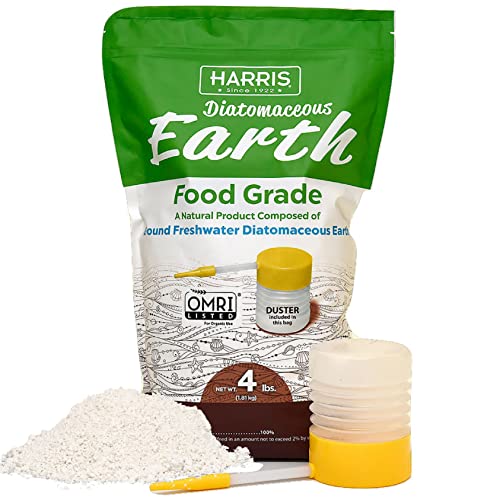
Natural Product - Composed of 4lbs of 100% ground freshwater diatomaceous earth with absolutely no additives or fillers.

✅ OMRI Listed for Organic Use – Certified by the Organic Materials Review Institute, ensuring compliance with strict organic standards for safe gardening and farming.
Using Diatomaceous Earth
Using diatomaceous earth (DE) can help eliminate ants on fruit trees. DE is a natural powder made from fossilized algae. Here’s how to apply it:
- Choose Food-Grade DE: Always select food-grade diatomaceous earth for safe application.
- Dry Application: Sprinkle DE around the base of your fruit trees and along ant trails. The powder disrupts the ants’ exoskeletons, leading to dehydration.
- Reapply After Rain: To maintain effectiveness, reapply DE after rain or watering.
Keep in mind that DE works best in dry conditions, as moisture reduces its efficacy.
Employing Essential Oils
Essential oils offer a natural way to repel ants from your fruit trees. Certain oils disrupt their pheromone trails or act as repellents. Consider the following steps:
- Select Repellent Oils: Oils like peppermint, tea tree, and citrus are potent ant deterrents.
- Dilute with Water: Mix 10-20 drops of essential oil with water in a spray bottle. Shake well to combine.
- Spray Strategically: Apply the mixture directly on the affected areas of your fruit trees and surrounding ground. Reapply every few days, especially after rain.
By using these essential oils, you can create a protective barrier around your trees, helping to keep ants at bay.
Chemical Solutions for Ant Control
Chemical solutions can effectively reduce ant populations on fruit trees. When using pesticides, focus on targeted applications that minimize environmental impact.
Recommended Products

ATTRACTS & KILLS: Effectively targets and eliminates common household ants, including sweet-eating varieties, with Terro liquid ant baits indoor they can't resist

KILLS THE QUEEN & THE ENTIRE COLONY: This ant trap indoor solution kills both the ants you see and the ones you don't, targeting the entire colony, including the queen, for long-lasting protection
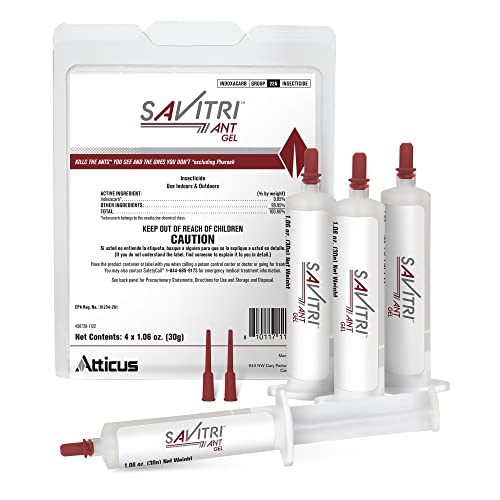
FAST, EFFECTIVE ANT TAKEDOWN: Savitri Ant Gel contains 0.05% of indoxacarb, the same active ingredient trusted by professionals for quick ant kill and colony control.
Pesticides and Their Effectiveness
Pesticides come in various formulations, including sprays, granules, and baits. Sprays provide immediate knockdown, whereas granules and baits attract ants. Baits are particularly effective, as ants carry the poison back to their colony, targeting the entire population. Look for products with active ingredients like fipronil or indoxacarb, which are proven to eliminate ants effectively while posing lower risks to plants. Always read labels to choose suitable products for your specific situation.
Application Techniques for Best Results
Applying pesticides requires careful techniques for maximum effectiveness. Follow these steps:
- Identify Active Trails: Locate areas with high ant activity. Observe where ants travel and gather around your trees.
- Apply at the Right Time: Treat during cooler parts of the day, ideally early morning or late afternoon. This reduces evaporation and increases insect activity.
- Use the Right Amount: Follow the manufacturer’s instructions for dosage. Over-application can harm beneficial insects.
- Target the Nest: If you can find the nest, apply bait directly there. This approach can enhance effectiveness and speed up control.
- Monitor Results: Check the treated areas regularly. Reapply as needed, especially if you notice continued activity.
By targeting ant populations carefully, you can protect your fruit trees from harm while minimizing disruption to the surrounding ecosystem.
Preventive Measures to Keep Ants Away
You can reduce ant invasions on your fruit trees through several preventive measures. Maintaining a healthy growing environment and making environmental adjustments plays a key role in deterring ants.
Recommended Products

Say Goodbye to Bugs - Kills crawling insects including roaches, ants, fleas, silverfish, earwigs, and bedbugs

CONTROLS A VARIETY OF INSECTS - Designed to control Bed Bugs, Cockroaches, Ants, Earwigs, Snails, Slugs, and other listed crawling insects. Does not harm earthworms. Also works on Slugs and Snails.

Kills and controls insects
Maintaining Tree Health
Keeping your fruit trees healthy is essential. Healthy trees resist pests better and show less stress, which can attract ants.
- Water Regularly: Water trees deeply but infrequently. This strengthens root systems and keeps trees resilient against pests.
- Fertilize Appropriately: Use organic fertilizers to promote strong growth. Healthy trees produce more foliage and fruit, making them less appealing to pests.
- Prune Regularly: Trim dead or damaged branches. This improves airflow and reduces habitats for insects.
- Monitor For Pests: Regularly check for aphids or other pests. Catching an infestation early can prevent ant attraction.
Environmental Adjustments Around Trees
Creating an unfavorable environment for ants is effective in keeping them at bay.
- Remove Debris: Clear fallen fruits, leaves, and branches. Debris can attract ants and provide nesting sites.
- Barrier Methods: Establish physical barriers. Create a ring of diatomaceous earth or sand around the base of trees to deter ants.
- Plant Companion Plants: Include plants like marigolds or herbs known to repel ants. Companion planting can create a natural deterrent.
- Avoid Over-Watering: Too much moisture encourages aphids, which attract ants. Water your trees judiciously and ensure good drainage.
Implementing these preventive measures helps maintain tree health and alters the environment, making it less inviting for ants.
Conclusion
Taking control of ants on your fruit trees doesn’t have to be a daunting task. By using natural methods like diatomaceous earth and essential oils you can effectively manage their presence while keeping your garden safe. If you choose to go the chemical route make sure to select the right products and apply them carefully to minimize any negative impact on your plants.
Remember that maintaining the health of your trees is key. Regular care and preventive measures will help create an environment that’s less appealing to ants. With a little effort you can protect your harvest and enjoy the fruits of your labor without the hassle of unwanted pests. Happy gardening!
Frequently Asked Questions
What problems do ants cause for fruit trees?
Ants can damage fruit trees by farming aphids, which suck sap and disrupt pollinators. This activity can lead to stunted growth, reduced fruit quality, and even tree death, making it crucial for gardeners to monitor ant activity.
Are there natural methods to control ants?
Yes, natural methods like using food-grade diatomaceous earth and essential oils (peppermint, tea tree, citrus) can effectively repel ants. These methods minimize harm to the garden while controlling ant populations.
How does diatomaceous earth work against ants?
Diatomaceous earth (DE) disrupts the exoskeletons of ants, leading to dehydration. It should be applied dry around the base of trees and along ant trails and should be reapplied after rain for maximum effectiveness.
What chemical solutions are available for ant control?
Pesticides, including sprays, granules, and baits, can effectively reduce ant populations. Baits are particularly efficient because ants carry the poison back to their colony. Products with fipronil or indoxacarb are recommended.
How can I prevent ants from invading my fruit trees?
Keeping fruit trees healthy through regular watering, proper fertilization, and pruning is essential. Additionally, removing debris, creating physical barriers, and planting ant-repelling companion plants can deter ants effectively.
