

Ever wondered which fruit trees thrive in your Zone 5b garden? You’re not alone. Many gardeners face the challenge of choosing the right trees that can withstand colder winters while producing delicious fruit.
Key Takeaways
- Zone 5b Overview: Understand that Zone 5b experiences average minimum winter temperatures of -10°F to -15°F, with a growing season of 150 to 180 days, suitable for various fruit trees.
- Ideal Soil Conditions: Fruit trees thrive in well-draining, loamy soil with a slightly acidic to neutral pH level (6.0 to 7.0) to promote optimal growth and prevent root damage.
- Recommended Fruit Trees: Select hardy varieties such as ‘Honeycrisp’ and ‘Empire’ apple trees, ‘Bartlett’ and ‘Kieffer’ pear trees, and ‘Montmorency’ and ‘Bing’ cherry trees for successful cultivation in Zone 5b.
- Essential Care Practices: Regular watering, winter protection through mulching, and timely pruning in late winter are critical for the health and productivity of fruit trees in this climate.
- Climate Considerations: Monitor local weather conditions for late spring frosts and adjust planting strategies to include late-flowering or frost-resistant varieties to safeguard your harvest.
- Pest Management: Proactively manage pests by monitoring for common issues, using organic control methods, and maintaining cleanliness around tree bases to minimize infestation risks.
Overview Of Zone 5b
Zone 5b features a temperate climate characterized by average minimum winter temperatures ranging from -10°F to -15°F (-12°C to -9°C). This zone experiences a frost-free growing season of 150 to 180 days, making it suitable for various fruit trees.
Climate Factors
- Frost Dates: Last frost typically occurs around mid-May, while the first frost often arrives in late October.
- Temperatures: Summer temperatures can reach the mid-80s to low 90s°F (around 29°C to 34°C), providing adequate warmth for fruit development.
Soil Conditions
- Soil Type: Well-draining, loamy soil works best for fruit trees. Avoid heavy clay, as it retains moisture and can damage roots.
- pH Level: A slightly acidic to neutral pH level, between 6.0 and 7.0, is ideal for healthy growth.
Suitable Fruit Trees for Zone 5b
Selecting fruit trees that thrive in Zone 5b ensures a fruitful harvest. Here are some excellent options:
- Apple Trees: Varieties like ‘Honeycrisp’ and ‘Empire’ flourish in cooler climates.
- Pear Trees: ‘Bartlett’ and ‘Kieffer’ adapt well to the zone’s conditions.
- Cherry Trees: ‘Montmorency’ and ‘Bing’ provide delicious fruits suited to colder climates.
- Plum Trees: ‘Stanley’ and ‘Methley’ flourish with appropriate care.
- Watering: Regular watering is essential, particularly during dry spells.
- Winter Protection: Mulch around the base to insulate roots during cold months.
- Pruning: Prune in late winter to promote healthy growth and fruit production.
By understanding these climate and soil conditions, along with proper care practices, you can succeed in growing fruit trees tailored to Zone 5b.
Ideal Growing Conditions
Understanding the ideal growing conditions for fruit trees in Zone 5b ensures better harvests and healthier plants. Focus on key climate factors and soil requirements to create a thriving environment.
Climate Considerations
Temperatures in Zone 5b typically range from -10°F to -15°F during winter. This zone experiences a growing season lasting 150 to 180 days, facilitating fruit development. Late spring frosts often occur around mid-May, so it’s wise to select varieties that flower late or have frost-resistant traits. Summer temperatures often reach the mid-80s to low 90s°F, providing ample warmth for fruit ripening. Monitor local weather forecasts to anticipate temperature fluctuations and protect budding fruit trees during unexpected cold snaps.
Soil Requirements
For optimal growth, fruit trees thrive in well-draining, loamy soil. Aim for a slightly acidic to neutral pH level, typically between 6.0 and 7.0. Conduct a soil test to determine pH and nutrient levels. Amending the soil with organic matter, like compost, can enhance drainage and nutrient availability. Ensure soil retains necessary moisture without becoming waterlogged. Regular mulching helps maintain soil temperature and moisture levels while preventing weeds.
Recommended Fruit Trees
Select the right fruit trees for your Zone 5b garden to enjoy a fruitful harvest. Here’s a look at some top choices.
Recommended Products
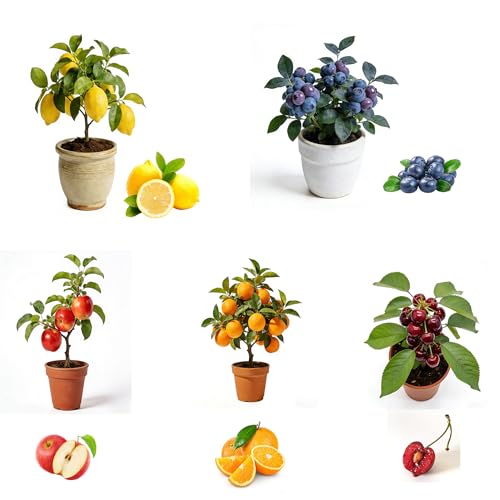
Complete Fruit Garden Collection: This comprehensive seed set provides everything needed to start a diverse container fruit garden.With 160 total seeds, this collection offers exceptional value for gardeners seeking to grow multiple fruit varieties in containers on patios, balconies, or small spaces

🌳 3-Pack Fruit Tree Bundle Includes live apple, blueberry, blackberry trees—perfectly paired for a diverse and productive backyard orchard.

Light: Thrives in full sun for best fruit production.
Apple Trees
Apple trees thrive in Zone 5b. Choose varieties like ‘Honeycrisp,’ known for its crisp texture and sweet flavor, or ‘Empire,’ which provides a balance of sweetness and tartness. When planting, ensure full sun exposure and provide ample space for growth. Regular pruning promotes air circulation and healthy fruit production.
Pear Trees
Pear trees also grow well in this zone. Varieties such as ‘Bartlett’ offer juicy, sweet fruit, while ‘Kieffer’ is known for its hardiness and resistance to pests. Plant them in well-draining soil and full sun. The tree’s structure allows for good airflow, reducing disease risk.
Cherry Trees
Cherry trees, particularly ‘Montmorency’ and ‘Bing,’ flourish in Zone 5b. ‘Montmorency’ is a tart variety ideal for cooking, while ‘Bing’ presents sweet, dark fruit perfect for fresh eating. Multiple cherry varieties can increase cross-pollination, improving yield. Plant in full sun and employ protective measures against late frosts.
Plum Trees
Consider plums, such as ‘Stanley’ and ‘Methley,’ for your garden. ‘Stanley’ is a popular choice for jams and baking, while ‘Methley’ offers sweet, juicy fruit for fresh consumption. Both types thrive in well-drained soil and require consistent watering, especially during dry spells.
Peach Trees
Although slightly less common, peach trees can succeed in Zone 5b with proper care. Look for varieties like ‘Reliance,’ which show excellent cold hardiness. Full sun and well-drained, loamy soil support healthy growth. To protect blossoms from late frosts, consider planting in sheltered areas or using frost cloths when needed.
Care And Maintenance
Proper care and maintenance ensure your fruit trees thrive in Zone 5b. Focus on pruning, fertilization, and pest management to achieve a healthy, fruitful garden.
Recommended Products

✂Multifunctional -2 in 1 Garden Grafting Tools-Professional grafting set allows you to pruning and grafting at the same time, saving more time and effort than traditional grafting methods, easy to use and more efficient. It allows you to trim away excess leaves and twigs and prepare the plants to be grafted. At the same time, you can make a precise cut into the grafting stock with the special grafting blade.

2 in 1 Grafting Pruning Pliers: The sharp and durable stainless steel blade with a anti-skid handle allows you to cut scion and stock better

6-Piece Grafting Tool Set: Includes one SK5 steel grafting cutter, one 2CR13 steel grafting knife, three rolls of tape (1 white, 2 green), and one twist tie for complete propagation
Pruning Techniques
Prune fruit trees during late winter or early spring while they’re still dormant. Remove dead or diseased branches first. Focus on creating an open center for good air circulation. Thin crowded branches to allow sunlight in. Aim for 20% of the tree’s mass to be removed annually. For example, when pruning apple trees like ‘Honeycrisp’, look for water sprouts that develop in crowded areas. Cut these back to promote better fruit production.
Fertilization Tips
Fertilize your fruit trees in early spring, just before new growth begins. Test your soil to determine nutrient needs. Choose a balanced fertilizer like a 10-10-10 or one with added micronutrients. Apply 1-2 pounds per inch of trunk diameter, spreading it evenly around the tree’s drip line. Water the trees after fertilizing to help the nutrients penetrate the soil. For trees like ‘Bartlett’ pears, consider using organic options like compost or well-rotted manure to improve soil health.
Pest Management
Monitor your trees regularly for signs of pests. Common pests in Zone 5b include aphids, codling moths, and leafhoppers. Use insecticidal soap or neem oil for small infestations. Install traps for larger pests like codling moths. Keep tree bases clean by removing fallen fruit and debris, which attract pests. For instance, when managing cherry trees like ‘Bing’, inspect them for cherry fruit fly damage. If found, apply control measures immediately to prevent spread.
Conclusion
Choosing the right fruit trees for your Zone 5b garden can be a rewarding adventure. With the right varieties and care practices you can enjoy a bountiful harvest year after year. Remember to keep an eye on soil conditions and be mindful of late spring frosts to ensure your trees thrive.
By selecting the right trees and providing them with proper care you’ll create a fruitful oasis that brings joy to your garden. So get planting and watch your efforts blossom into delicious fruits that you can savor and share!
Frequently Asked Questions
What fruit trees grow best in Zone 5b?
In Zone 5b, suitable fruit trees include apple varieties like ‘Honeycrisp’ and ‘Empire’, pear trees such as ‘Bartlett’ and ‘Kieffer’, cherry trees like ‘Montmorency’ and ‘Bing’, and plum trees such as ‘Stanley’ and ‘Methley’. These trees can survive the colder winters and still produce delicious fruit.
When is the last frost date in Zone 5b?
The last frost in Zone 5b typically occurs around mid-May. It’s essential to keep this date in mind when selecting and planting your fruit trees to avoid damage.
How should I prepare the soil for fruit trees in Zone 5b?
For optimal growth, your soil should be well-draining and loamy, with a slightly acidic to neutral pH level. Conduct soil tests to determine existing pH and nutrient levels, and amend the soil with organic matter to enhance drainage.
What care practices are essential for fruit trees in colder climates?
Key care practices include regular watering, mulching for winter protection, and late winter pruning. This encourages healthy growth and improves fruit production.
How can I protect my fruit trees from late spring frosts?
To minimize frost damage, choose late-flowering or frost-resistant varieties. Moreover, consider using protective measures like row covers during frost events to safeguard your trees.
When should I prune fruit trees in Zone 5b?
Prune your fruit trees in late winter or early spring before new growth starts. This improves air circulation and sunlight penetration, which are crucial for healthy plants and fruit yield.
What type of fertilizer should I use for fruit trees?
Use balanced fertilizers or organic options to improve soil health. It’s essential to follow the recommendations based on soil tests to ensure the right nutrients are provided.
How can I manage pests on my fruit trees?
Regular monitoring for common pests is crucial. Use integrated pest management strategies, including natural pest control measures, to protect your fruit trees effectively.
