

Ever thought about growing your own fruit trees but don’t have the space for a garden? You’re not alone! Many people face the challenge of limited outdoor space but still want to enjoy fresh fruit right from their home.
Planting bare root fruit trees in pots is a fantastic solution. It allows you to cultivate delicious fruits while adding beauty to your patio or balcony. With the right guidance, you can successfully nurture these trees and reap the rewards of your efforts. This article will walk you through the steps to make planting easy and enjoyable, ensuring you get the most out of your fruit tree experience.
Key Takeaways
- Understanding Bare Root Trees: Bare root fruit trees are cost-effective and efficient, suitable for container planting with exposed roots that adapt quickly to pots.
- Choosing the Right Varieties: Select dwarf or semi-dwarf trees that fit well in pots, and consider your climate and pollination needs when picking fruit types.
- Pot and Soil Preparation: Use pots that are at least 18-24 inches wide, with good drainage, and fill them with high-quality potting soil for optimal growth.
- Step-by-Step Planting Process: Inspect and hydrate roots before planting, position the tree correctly in the pot, and water thoroughly after planting to ensure healthy root establishment.
- Ongoing Care and Maintenance: Regularly check soil moisture, fertilize during spring, and prune as necessary to promote growth and maximize fruit production.
- Enjoy the Process: Engage in caring for your bare root fruit trees and look forward to the joy of harvesting homegrown fruits from your pots.
Understanding Bare Root Fruit Trees
Bare root fruit trees offer a cost-effective and efficient way to grow fruit in pots. These trees come with exposed roots, packaged without soil, making them lightweight and easy to handle. They thrive well in containers as long as you provide the right care.
Benefits of Bare Root Trees
- Cost Efficiency: Bare root trees usually cost less than potted trees. You can save money while expanding your garden.
- Easier Planting: With no soil attached, planting bare root trees becomes more straightforward. You can easily maneuver root systems into pots.
- Greater Selection: Nurseries often offer a wider variety of bare root trees. This means more choices for specific fruit types you prefer.
- Better Establishment: Bare root trees often establish quickly. Their roots adapt well to new environments when planted promptly after purchase.
- Reduced Size for Space: These trees can be more manageable for small spaces, fitting well in containers on patios or balconies.
- Climate Suitability: Select varieties that thrive in your climate zone. Research fruit trees suited for your area to ensure successful growth.
- Space Considerations: Opt for dwarf or semi-dwarf varieties if you have limited space. These smaller trees fit better in pots and remain manageable in height.
- Fruit Preferences: Choose varieties based on your favorite fruits. From apples to peaches, know your taste preferences before deciding which trees to plant.
- Pollination Needs: Consider whether your chosen variety requires a pollinator. Some fruit trees, like certain apple varieties, produce better yields with cross-pollination.
By understanding the benefits and making informed choices, you can successfully plant and grow bare root fruit trees in pots.
Preparing for Planting
Preparing for planting bare root fruit trees in pots involves careful consideration of pots and soil. Following these steps ensures a healthy start for your trees.
Recommended Products
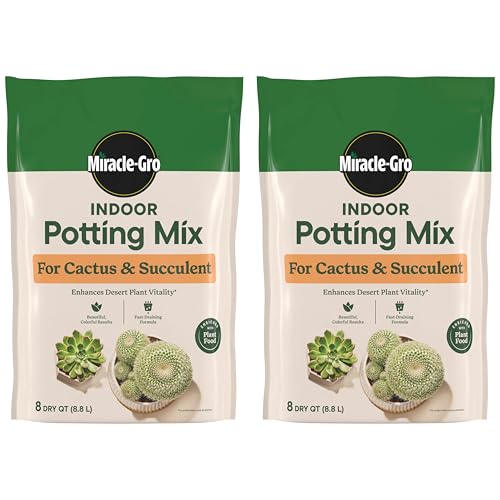
Miracle-Gro Indoor Potting Mix for Cactus and Succulent is enriched with Miracle-Gro Plant Food and enhances desert plant vitality (vs unfed plants when used as directed)

Made For Potted Citrus Trees: Our citrus potting soil mix is made for potted lemon, lime, orange and other citrus trees that need a lighter growing medium for repotting. We double-screen all of our raw ingredients to support a cleaner, more consistent texture for pouring and repotting potted citrus trees.

All-In-One Potting Soil Solution: TOYPOPOR potting soil is a blend designed to give your plants everything they need to thrive. This organic potting soil is packed with perlite, sphagnum peat moss, coco coir and rice husk charcoal. Great for all indoor outdoor plants.
Selecting Appropriate Pots
Select pots that provide enough space for root growth. Opt for pots that are at least 18-24 inches wide and 18 inches deep. Choose materials like plastic or ceramic, which retain moisture while allowing root aeration. Ensure the pots have drainage holes to prevent waterlogging. Consider using a larger pot for multiple trees to provide a shared space for roots while still allowing each tree to thrive.
Soil Requirements
Use high-quality potting soil designed for fruit trees. A mix of peat moss, compost, and perlite provides good drainage and nutrients. Aim for a soil pH between 6.0 and 7.0, optimal for most fruit tree varieties. Add organic fertilizers as needed to enhance soil nutrient content. Regularly check moisture levels to maintain consistent watering without saturating the soil, ensuring your trees receive the hydration they need for healthy growth.
Step-by-Step Planting Guide
Follow these steps to successfully plant bare root fruit trees in pots, ensuring optimal growth and fruit production.
Recommended Products

Complete Orchard Starter Bundle: Receive 8 dormant bare root fruit trees with 2 each of Apple, Apricot, Pear, and Persimmon. A great way to start or expand a backyard orchard with a variety of delicious fruits.

Let our professionally formulated plant food help your fruit tree grow healthy, strong AND abundantly producing

Product Quantity: 180+ premium bonsai fruit seeds across 5 varieties; Individual packs contain 40+ apple, 40+ lemon, 40+ orange, 20+ blueberry, and 40+ cherry seeds; Perfect for starting a diverse miniature orchard
Preparing the Bare Root Trees
- Inspect the Roots: Check the bare root trees for any damaged or dry roots. Trim off any broken parts, ensuring a clean cut.
- Hydrate the Trees: Submerge the roots in water for 6 to 12 hours before planting. This step helps rehydrate the roots and prepares them for growth.
- Prepare the Pot: Gather your pots. Choose a pot size of at least 18-24 inches wide and deep. Ensure the pot has drainage holes to prevent waterlogging.
- Layer the Soil: Start by adding a couple of inches of high-quality potting soil to the pot. The soil should include peat moss, compost, and perlite.
- Position the Tree: Place the tree in the center of the pot, spreading the roots evenly. Ensure the graft union is just above the soil line.
- Fill with Soil: Carefully fill in around the roots with more potting soil. Firmly pack the soil to eliminate air pockets while ensuring not to compact it too much.
- Water Thoroughly: After planting, water the tree generously. This step helps settle the soil and ensures that the roots make good contact with the potting mix.
- Add Mulch: Cover the top of the soil with a layer of mulch. Use organic mulch, which helps retain moisture and regulates temperature.
By following these instructions, you’ll prepare your bare root fruit trees for healthy growth in their new pots.
Care and Maintenance After Planting
Caring for your newly planted bare root fruit trees ensures they thrive in their pots. Focus on watering, fertilizing, and pruning techniques to support healthy growth.
Recommended Products

FORMULATED FOR CITRUS AND FRUIT TREES: Use these citrus fertilizer spikes on apple, orange, lemon, lime, and avocado trees; this formula is also great for feeding palm trees

LASTING COLOR: Miracle-Gro Tree & Shrub Plant Food Spikes are fertilizer spikes for trees and shrubs; they promote vibrant color and foliage for trees and shrubs in your yard

Natural and Organic Hand Crafted Blend
Watering Techniques
Watering plays a crucial role in the establishment of your fruit trees. Hydration helps roots acclimate to their new environment. Follow these approaches for effective watering:
- Check Soil Moisture: Press your finger into the soil about two inches deep. If it feels dry, it’s time to water.
- Deep Watering: Water thoroughly, ensuring the moisture reaches deeper roots. Use a slow and steady flow to avoid runoff.
- Frequency: Water once a week, adjusting for weather conditions. Increase frequency during hot spells.
- Mulch Application: Apply a layer of mulch around the base. Mulch retains moisture and regulates soil temperature.
Fertilizing and Pruning
Fertilizing and pruning enhance growth and fruit production. Implement these strategies for optimal results:
- Fertilization Schedule: Start fertilizing in early spring as new growth appears. Use a balanced fertilizer designed for fruit trees, following package instructions.
- Organic Options: Consider organic fertilizers like compost or aged manure for added nutrients. These resources enrich the soil while minimizing chemical exposure.
- Pruning Techniques: Prune in late winter or early spring before new growth begins. Remove dead or damaged branches and thin out crowded areas for better air circulation.
- Shape Maintenance: Aim for an open-center or vase shape. This form enhances light penetration, benefiting fruit development.
By implementing proper watering, fertilizing, and pruning techniques, you’ll create a thriving environment for your fruit trees. Enjoy the process and the anticipation of delicious homegrown fruits.
Conclusion
Planting bare root fruit trees in pots opens up a world of possibilities for enjoying fresh fruit right at home. With the right potting techniques and care, you can create a thriving garden on your patio or balcony.
Remember to choose the right pot and soil to give your trees the best start. Regular maintenance will ensure they grow healthy and strong.
As you nurture your trees, you’ll not only enjoy the beauty they bring but also the delicious fruits of your labor. Happy gardening and here’s to many fruitful seasons ahead!
Frequently Asked Questions
What are bare root fruit trees?
Bare root fruit trees are young trees sold without soil around their roots. They are lightweight, cost-effective, and easier to plant, making them ideal for container gardening, especially in limited spaces.
Why should I plant fruit trees in pots?
Planting fruit trees in pots allows you to enjoy fresh fruit even in small outdoor spaces like patios or balconies. It also gives you control over soil quality and easier access for maintenance.
How do I choose the right pot for my fruit tree?
Select a pot that is at least 18-24 inches wide and 18 inches deep. Use materials like plastic or ceramic that retain moisture but allow for good aeration, and make sure there are drainage holes to prevent waterlogging.
What type of soil should I use for planting fruit trees in pots?
Use high-quality potting soil designed for fruit trees, ideally a mix of peat moss, compost, and perlite. Maintain a pH level between 6.0 and 7.0 for optimal tree health.
How often should I water my potted fruit trees?
Check the soil moisture regularly. Water deeply when the top inch of soil feels dry, and apply mulch to help retain moisture. Adjust your watering schedule based on weather conditions.
Do I need to fertilize my potted fruit trees?
Yes, fertilize your fruit trees with balanced or organic fertilizers. Follow a schedule based on the tree’s growth stage to promote healthy growth and fruit production.
What pruning techniques should I use for my fruit trees?
Prune your fruit trees to enhance growth and increase fruit production. Focus on removing dead or crowded branches and shape the tree to improve air circulation and sunlight exposure.
How long does it take for potted fruit trees to produce fruit?
The time it takes for potted fruit trees to produce fruit varies by species but typically ranges from 1 to 5 years after planting, depending on tree variety and care practices.
