

The sweet smell of quince tree flowers is hard to miss, but do you know why they smell so good?
It all comes down to the way these trees are built and the science behind making fragrances.
By learning about the factors that make quince blossoms smell so nice, we can get a peek into the natural world and how flowers produce their lovely scents.
Key Takeaways
- Quince trees produce fragrant flowers to attract pollinators for successful fertilization and fruit development.
- Fragrance in quince flowers is created by various compounds released through biochemical processes.
- Environmental factors such as sunlight, temperature, and soil composition affect the intensity and profile of fragrance.
- Understanding fragrance science can be beneficial for horticulturists and researchers in breeding and selecting fragrant varieties, enhancing horticultural practices, and attracting beneficial insects for biodiversity.
Quince Tree Biology
The quince tree, a member of the Rosaceae family, is known for its fragrant flowers and delicious fruit. Flower development in quince trees is a fascinating process.
The tree typically produces beautiful pink or white flowers that bloom in the early spring, attracting bees for pollination. The aroma production during this stage is essential for attracting pollinators. As the flowers develop, they emit a sweet, floral scent that fills the air, enticing insects to aid in the pollination process.
This aroma is a result of various compounds released by the flowers, creating an irresistible fragrance. Understanding the intricacies of flower development and aroma production in quince trees sheds light on the tree's unique biology and its ability to produce such captivating and fragrant blossoms.
The Science of Fragrance
Delving into the captivating world of fragrance, you'll discover the intricate science behind the alluring aromas emitted by quince tree flowers.
The chemistry behind these fragrances involves a complex interplay of volatile organic compounds, such as esters, aldehydes, and alcohols, which contribute to the sweet, floral scent.
These compounds are produced by the flowers as a result of biochemical processes within the plant, influenced by environmental factors and genetic variations.
Genetic variations play a crucial role in determining the specific combination and concentration of these aromatic compounds, leading to the diverse range of fragrances observed in different quince tree varieties.
Understanding the science of fragrance not only enhances our appreciation for the natural world but also provides valuable insights for horticulturists and researchers seeking to harness the captivating aromas of quince tree flowers for various applications.
Environmental Factors
When exploring the influence of environmental factors on the fragrance of quince tree flowers, one can observe how sunlight, temperature, and soil composition directly impact the production of aromatic compounds.
The climate in which quince trees grow significantly influences the fragrance of their flowers. Warmer climates tend to enhance the intensity of the fragrance, while cooler climates may result in a milder scent.
Additionally, soil composition plays a crucial role in determining the aromatic profile of quince tree flowers. The nutrients and minerals present in the soil affect the production of specific compounds that contribute to the fragrance.
Furthermore, air quality and sunlight exposure also affect the development of the flowers' fragrance. Adequate airflow and ample sunlight exposure are essential for the production of aromatic compounds, enhancing the overall fragrance of the quince tree flowers.
Recommended Products

Excellent for evergreens, dogwoods, hydrangeas, magnolias and many other acid-loving trees and shrubs

LASTING COLOR: Miracle-Gro Tree & Shrub Plant Food Spikes are fertilizer spikes for trees and shrubs; they promote vibrant color and foliage for trees and shrubs in your yard

Contains natural ingredients to feed microbes in the soil
Pollination and Scent
Exploring the intricate relationship between pollination and the captivating scent of quince tree flowers reveals the fascinating interplay of natural processes that contribute to the floral fragrance.
The aromatic compounds produced by the flowers serve a crucial role in attracting pollinators. These compounds, such as linalool and eugenol, create a sweet, citrusy, and slightly spicy scent that entices insects and birds. The floral attraction is essential for the successful transfer of pollen from one flower to another, enabling the fertilization process and the subsequent development of fruits.
Furthermore, the production of these aromatic compounds is often influenced by environmental factors, resulting in variations in fragrance intensity and composition.
Understanding the connection between pollination and scent not only highlights the intricate mechanisms of nature but also underscores the importance of fragrance in the reproductive success of quince trees.
Recommended Products

✅ 1-2 year old 18-26 inches tall Cydonia Provence Quince plant. Plant is sent with roots wrapped in wet media during dormancy (October to May), in container with soil June to September.

Vibrant Spring Blooms: This Peachy Flowering Quince tree produces beautiful, peach-colored flowers in early spring, adding a pop of color to your garden.

LIVE DWARF FLOWERING QUINCE TREE: Comes rooted and ready to grow in a 5-inch plastic pot, making it easy to transplant.
Cultivation Influence
The cultivation practices employed for quince trees can significantly influence the fragrance and abundance of their flowers.
Cultivation techniques such as pruning, watering, and fertilizing play a crucial role in determining the overall health and vibrancy of the quince tree and its flowers. Proper pruning encourages the growth of new shoots, which can lead to an increased number of flower buds.
Additionally, adequate watering and nutrient-rich soil composition can enhance the fragrance and overall health of the flowers. Quince trees thrive in well-draining soil with a slightly acidic pH, and the addition of organic matter can further improve soil quality.
Recommended Products
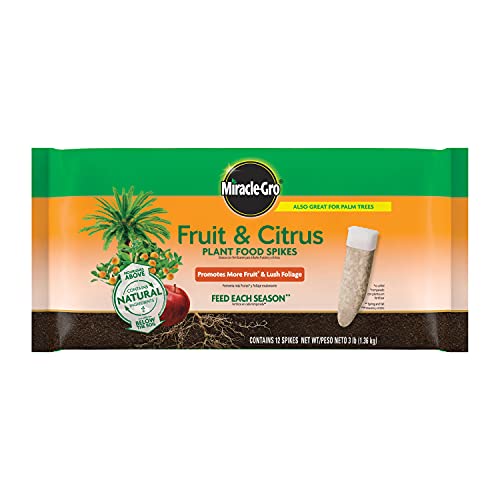
FORMULATED FOR CITRUS AND FRUIT TREES: Use these citrus fertilizer spikes on apple, orange, lemon, lime, and avocado trees; this formula is also great for feeding palm trees


Let our professionally formulated plant food help your citrus tree grow healthy, strong AND abundantly producing
Conclusion
In the end, the fragrant flowers of the quince tree are a beautiful result of its biology, the science of fragrance, environmental influences, and the essential role of pollination.
Understanding the factors behind their delightful scent enriches our appreciation for these blooms.
So, next time you breathe in their sweet fragrance, take a moment to marvel at the intricate processes that gift us with such natural beauty.
