

Are you tired of watching pesky bugs munch on your precious fruit trees? You’re not alone. Many gardeners face this frustrating challenge, especially when all you want is a bountiful harvest. The good news is you don’t have to rely on harsh chemicals to protect your trees.
Key Takeaways
- Understand Pest Management: Effective pest control is essential for protecting fruit trees from damage, ensuring healthy growth, and maximizing fruit yield.
- Embrace Natural Solutions: Utilize natural pest control methods like encouraging beneficial insects and practicing companion planting to maintain a balanced ecosystem.
- Create Homemade Sprays: Effective homemade organic sprays, like soap spray and neem oil, can protect fruit trees from pests while being safe for the environment.
- Focus on Tree Health: Maintaining the overall health of fruit trees through proper watering and nutrient management enhances their resistance to pests.
- Regular Monitoring: Conduct frequent inspections of your fruit trees to catch early signs of infestations, allowing for prompt action to mitigate potential damage.
Understanding The Importance Of Pest Control
Effective pest control protects your fruit trees from damage caused by insects. Healthy trees produce better fruit, which means increased yields for you. When pests invade, they can lead to stunted growth and lower fruit quality. Understanding the relationship between pests and your trees helps you implement natural solutions.
Natural pest control methods focus on long-term health. These methods promote a balanced ecosystem. Encouraging beneficial insects, like ladybugs, contributes to reducing harmful pest populations. You can create habitats for these allies by planting diverse species near your trees.
Preventing pest infestations is easier than managing existing ones. Regular inspections keep you informed about potential issues. Look for early signs of pests, such as holes in leaves or discolored fruit. Immediate action protects your trees and fruits.
Utilizing organic treatments promotes healthy plants while minimizing chemical use. Examples include neem oil and insecticidal soap, which effectively target various pests without harming beneficial organisms. Always follow instructions to ensure safety and effectiveness.
By prioritizing pest control, you protect your investment, ensuring your fruit trees thrive. Regular monitoring, natural methods, and preventive strategies create a robust defense against unwanted pests while maintaining a healthy garden environment.
Natural Pest Control Methods
Natural pest control methods offer effective ways to safeguard your fruit trees from bugs while maintaining a healthy ecosystem. These strategies focus on encouraging beneficial organisms and using companion plants that deter pests.
Beneficial Insects
Beneficial insects play a crucial role in natural pest control. These allies help manage pest populations without chemical interventions.
- Ladybugs: They’re famous for consuming aphids, making them excellent helpers for your fruit trees.
- Lacewings: Their larvae feed on pests like aphids and caterpillars, promoting a balanced garden.
- Parasitic wasps: These tiny wasps can target and lay eggs in harmful pest species, reducing their numbers.
Attract these beneficial insects by planting flowers like marigolds, yarrow, and dill. These plants provide food and habitats that encourage them to thrive in your garden.
Companion Planting
Companion planting involves placing specific plants together to enhance growth and control pests.
- Nasturtiums: These flowers repel aphids and act as a trap crop, drawing pests away from your fruit trees.
- Garlic: Known for its strong scent, planting garlic near fruit trees can deter pests like aphids, whiteflies, and spider mites.
- Basil: This herb not only enhances the flavor of fruits like tomatoes, but it also repels thrips and flies.
Experiment with different combinations to find what works best for your garden. Always prioritize planting nitrogen-fixing plants to improve soil health, as healthy soil contributes to strong, pest-resistant trees.
Homemade Organic Sprays
You can create effective homemade organic sprays to keep bugs off your fruit trees. These eco-friendly mixtures help protect your trees from various pests without harming beneficial insects or the environment.
Recommended Products
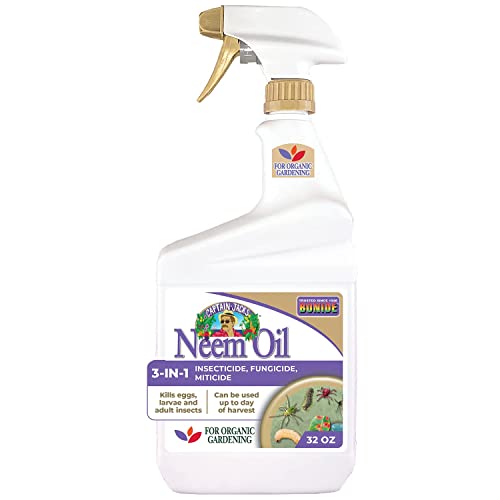
MULTI-PURPOSE BUG KILLER - Bonide Neem Oil is a perfect pest control solution for any garden dealing with mites, flies, mildew, and more. This product is a three-in-one fungicide, miticide, and insecticide.

INSECT KILLER: BioAdvanced Organics Brand Neem Oil spray controls aphids, whiteflies, spider mites, and other listed pests

Control diseases and insects in your garden with Captain Jack’s Fruit Tree Spray Concentrate! Use on a variety of listed fruits, nuts and citrus plants.
Soap Spray
Soap spray serves as a simple yet effective solution for controlling soft-bodied pests like aphids and spider mites. To make your own soap spray, follow these steps:
- Combine 1 tablespoon of liquid castile soap with 1 quart of water in a spray bottle.
- Shake the bottle gently to mix the ingredients.
- Spray the solution directly onto affected leaves, ensuring thorough coverage of both the tops and bottoms.
Apply this mixture in the early morning or late afternoon to avoid leaf burn from the sun. Reapply weekly or after heavy rains until pests are under control.
Neem Oil
Neem oil acts as a powerful natural insecticide, disrupting the life cycle of pests and repelling them effectively. To use neem oil:
- Mix 2 tablespoons of neem oil with 1 tablespoon of liquid soap and 1 gallon of water in a spray container.
- Shake the mixture vigorously to combine ingredients well.
- Spray your trees only after testing a small area for sensitivity. Cover all foliage, including the undersides of leaves.
Use neem oil every 7-14 days for best results, especially during pest outbreaks. Ensure you avoid applying it during hot, sunny weather to prevent damage to the plants.
By using these homemade organic sprays, you can maintain healthy fruit trees and enjoy a plentiful harvest without resorting to harsh chemicals.
Maintaining Fruit Tree Health
Maintaining the health of your fruit trees plays a crucial role in deterring pests. Healthy trees naturally resist insect infestations better and produce higher yields. Focus on the following areas for optimal tree health.
Recommended Products

Natural and Organic Hand Crafted Blend

Down to Earth Fruit Tree is a five pound box of all natural fertilizer with 6-2-4 formula and is listed by the Organic Materials Review Institute (OMRI) for use in organic production

Package contains 4 Pounds organic fruit and citrus fertilizer grains and is produced to avoid wasteful runoff, mess, hazards and smells
Proper Watering Techniques
Water your fruit trees deeply but infrequently. This promotes deep root growth and resilience against drought and pests.
- Watering Schedule: Water every 1-2 weeks during dry spells, adjusting for rainfall.
- Soil Moisture: Check soil moisture 2-3 inches below the surface. If it feels dry, it’s time to water.
- Mulching: Apply organic mulch around the base to retain moisture and regulate soil temperature.
- Avoid Overwatering: Ensure good drainage to prevent root rot, which can weaken trees and attract pests.
Nutrient Management
Nutrient management supports strong growth and aids in pest resistance. Use organic fertilizers to enhance soil health.
- Soil Testing: Conduct a soil test annually to determine nutrient levels and pH.
- Fertilization: Apply organic fertilizers like compost, well-rotted manure, or fish emulsion in early spring. This supplies essential nutrients for robust growth.
- Seasonal Boosts: In late spring, apply potassium-rich fertilizers to strengthen fruit quality and resistance.
- Monitoring Symptoms: Watch for signs of nutrient deficiencies like yellowing leaves or poor fruit development. Address these issues promptly to maintain tree vitality.
By following these practices, you’ll cultivate healthy fruit trees that stand a better chance against pests, ensuring a productive harvest.
Conclusion
Keeping bugs off your fruit trees naturally is all about embracing a holistic approach. By nurturing your garden’s ecosystem and using organic methods you can effectively protect your trees while promoting their health. Remember to regularly inspect your trees and act quickly at the first sign of trouble.
Incorporating companion plants and homemade sprays can make a real difference in deterring pests. With a little patience and care you’ll not only enjoy a bountiful harvest but also create a thriving environment for beneficial insects. Your fruit trees will thank you for the extra love and attention!
Frequently Asked Questions
What are common pests that affect fruit trees?
Many pests can harm fruit trees, including aphids, spider mites, and caterpillars. These insects can damage leaves, fruits, and branches, impacting tree health and fruit yields.
How can I protect my fruit trees without using chemicals?
You can protect your fruit trees using natural methods such as encouraging beneficial insects, implementing companion planting, and using organic treatments like neem oil and insecticidal soap.
What are some effective natural pest control methods?
Some effective natural pest control methods include attracting ladybugs and lacewings, using homemade organic sprays, and companion planting with herbs like garlic and basil to deter pests.
How does companion planting help with pest control?
Companion planting involves growing certain plants together to enhance growth and deter pests. For instance, nasturtiums can repel aphids, while garlic helps keep various pests away from fruit trees.
What is neem oil, and how do I use it?
Neem oil is a natural insecticide derived from the neem tree. To use it, mix neem oil with water according to product instructions, then spray it on affected areas of your fruit trees to control pests.
Why is regular inspection of fruit trees important?
Regular inspections help identify early signs of pest infestations, allowing for quicker intervention. This proactive approach is essential for maintaining tree health and maximizing fruit yields.
How can I create a homemade soap spray for pests?
To create a homemade soap spray, mix 1 to 2 tablespoons of liquid soap (not detergent) into a quart of water. Spray it directly on pests like aphids and spider mites to eliminate them.
What watering techniques should I follow for healthy fruit trees?
Deep but infrequent watering encourages deep root growth and resilience against drought and pests. Mulching can help retain moisture and regulate soil temperature, supporting healthy trees.
How can I improve the nutrient management of my fruit trees?
To enhance nutrient management, use organic fertilizers and conduct regular soil tests. This approach supports strong growth, making fruit trees more resilient to pests and diseases.
How do I create a balanced ecosystem in my garden?
Creating a balanced ecosystem involves using natural pest control methods, encouraging beneficial insects, and practicing companion planting. This strategy promotes healthy plant growth and reduces pest problems organically.
