

Are your fruit trees turning into a buffet for hungry birds? You’re not alone. Many gardeners face the challenge of protecting their precious harvest from feathered friends that just can’t resist a ripe peach or cherry.
Key Takeaways
- Identify Attractants: Understand that ripe fruits are naturally appealing to birds due to their color, scent, and availability of food in fruit trees.
- Employ Netting: Use lightweight bird netting to cover fruit trees, securing it properly to prevent bird access while allowing sunlight and rain to nourish the fruits.
- Utilize Scare Tactics: Implement visual and auditory scare devices, such as reflective tape and motion-activated noise makers, to deter birds from approaching your trees.
- Incorporate Decoys: Strategically place decoys like fake predators or inflatable figures around your fruit trees to create an impression of danger for smaller birds.
- Apply Bird Repellent: Use bird repellent sprays or natural alternatives like hot pepper solutions to make fruits taste unappealing to birds without harming your crop.
- Monitor and Adjust: Regularly check your trees for bird activity and adjust your protective measures seasonally to ensure continued effectiveness throughout the growing season.
Understanding The Problem
Birds pose a significant challenge for gardeners seeking to protect their fruit trees. Birds are often drawn to ripe fruits, causing potential losses for many gardeners.
Why Birds Are Attracted To Fruit Trees
Birds are attracted to fruit trees due to the availability of food. Brightly colored, ripe fruits signal nourishment. Trees offer shelter and safety for birds. As fruits ripen, the scent and visibility become irresistible, leading birds to peck and devour them.
Common Bird Species That Damage Fruit
Several bird species typically damage fruit trees. This includes:
- Sparrows: Small and numerous, these birds feast on various fruits, particularly soft fruits like strawberries and cherries.
- Robins: Known for their distinctive red breasts, robins enjoy berries and often take a few bites from larger fruits.
- Starlings: These birds, with their iridescent feathers, can strip branches of fruit quickly, targeting apples and pears.
- Crows: Intelligent and opportunistic, crows can harvest ripe fruits and even destroy immature ones while searching for food.
Understanding these factors helps you devise effective strategies to protect your harvest.
Preventative Measures
You can effectively protect your fruit trees from birds using various preventative methods. These strategies help minimize fruit loss while ensuring your harvest remains intact.
Recommended Products

HDPE Material for Outdoor Garden Use: Made from high-density polyethylene (HDPE), RIFNY garden bird netting is designed for outdoor plant protection and repeated seasonal use. The flexible mesh is suitable for backyard gardeners, vegetable gardens, raised beds, fruit trees, blueberry bushes, flower gardens, and orchards. The black netting provides a practical barrier for protecting plants while maintaining airflow and sunlight

Protective bird netting effectively protects fruit, vegetation, chicken and berries from thieving birds and other other animals. Harsh Weather resistant, protect your plants without harming birds and other animals.
Netting Solutions
Netting serves as a reliable barrier against birds. You can use lightweight bird netting to cover your fruit trees. Ensure the netting’s mesh is small enough to prevent birds from getting through. Secure the edges to the ground or tree trunk with stakes or weights. This method not only keeps birds away but also allows sunlight and rain to reach your fruits.
Scare Tactics
Scare tactics can deter birds from approaching your trees. You can employ various tools like reflective tape, aluminum foil strips, or old CDs that move in the wind and create flashes of light. Setting up motion-activated noise devices or wind chimes also adds an auditory element that may scare birds off. Regularly changing these scare devices ensures birds don’t become accustomed to them.
Decoys and Deterrents
Using decoys or deterrents can be effective in keeping birds at bay. You can place a fake owl or hawk near your fruit trees. These predators naturally scare smaller birds away. Additionally, you might consider using plastic snakes or even wind-driven, inflatable figures. Position these in strategic locations around your trees for maximum effectiveness. Moving these decoys periodically prevents birds from recognizing them as stationary objects.
Chemical Solutions
Chemical solutions can deter birds from invading your fruit trees. These options range from repellent sprays to natural alternatives designed to protect your harvest.
Recommended Products

Control diseases and insects in your garden with Captain Jack’s Fruit Tree Spray Concentrate! Use on a variety of listed fruits, nuts and citrus plants.

KILLS LISTED FRUIT & CITRUS TREE INSECTS: Controls Asian Citrus Psyllid, Whiteflies, Aphids Thrips, Citrus Leafminers, Leafhoppers, Blackfly, Mealybugs, Scales, Avocado Lacebugs, Oriental Beetles, Flea Beetles, Sharpshooters, and Spittlebugs
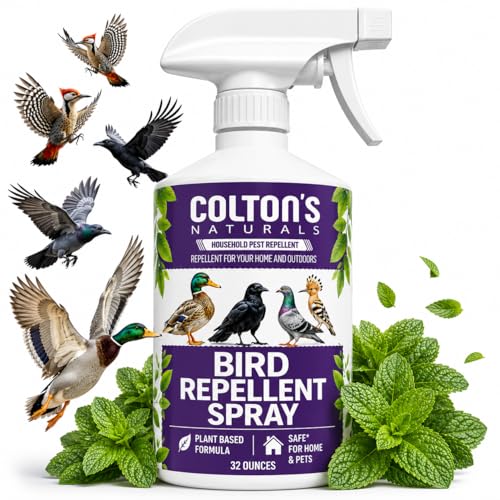
REPEL A WIDE VARIETY OF BIRDS NATURALLY: Helps deter a wide range of nuisance birds, including pigeons, seagulls, crows, geese, ducks, woodpeckers, sparrows, magpies, and more.
Bird Repellent Sprays
Bird repellent sprays are specifically formulated to create an unpleasant taste for birds. Apply these sprays directly on your fruits to mask their natural flavors. Look for products that are safe for edible crops, often made from natural ingredients. Reapply the spray after rain or watering to maintain effectiveness. Always follow the manufacturer’s instructions for optimal results.
Natural Repellents
Natural repellents offer a more eco-friendly approach. Create your own homemade remedy by mixing water with a few drops of dish soap and hot pepper sauce. Apply this mixture to your fruits to impart a spicy taste that birds typically avoid. Another option is using apple cider vinegar, which can be diluted in water and sprayed on the fruit. These solutions are safe for both birds and your fruit, providing protection without harmful chemicals. Reapply every few days or after rain.
Maintenance Tips
Maintaining your fruit trees properly helps keep birds away throughout the growing season. Implementing regular checks and adjusting your strategies seasonally ensures better protection for your harvest.
Recommended Products

Protect Your Vegetables and Fruits: LCHUANG Garden Netting is great for orchards, greenhouses, gardens, nurseries, patios, and shrubs. This Bird Netting with a zipper can protect blueberries, tomatoes, trees, fruits, flowers, vegetables, and potted plants from insects, birds, and bugs, which helps the plants grow normally.
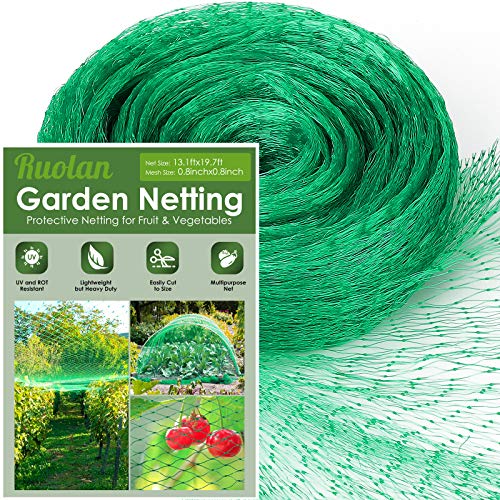
【Perfect size】(Garden Netting size 13ftX20ft, Mesh Size 0.8inchX0.8inch), Protect fruit tree plant blueberry strawberry from animals

Large Size: You will receive 1pcs tree netting cover with zipper and drawstring. The size is 9 ft x 10 ft, making it fit large blueberry bushes and fruit trees.It is large enough to cover a variety of plants, including fruit trees, flower trees, blueberry bushes, citrus, shrubs, and more. Please check the size before purchasing to ensure proper fit
Regular Monitoring
Monitor your fruit trees frequently to assess bird activity. Check for signs of feeding or nesting. If you notice birds around, act quickly. Adjust your deterrents if you see any success or failure. Keep track of effective methods in a journal. Use this log to identify trends in bird behavior and determine which strategies work best in your area.
Seasonal Adjustments
Adjust your bird deterrent methods based on seasonal changes. In spring, when fruits start to form, use bird netting to cover young trees. As fruits ripen in summer, intensify your scare tactics, like moving decoys or hanging reflective tape. By fall, when harvest time arrives, focus on maintaining netting and reapplying repellents. Each season offers unique challenges, so knowing when to shift tactics can significantly reduce bird damage.
Conclusion
Protecting your fruit trees from birds doesn’t have to be a daunting task. By combining various strategies like netting scare tactics and natural repellents you can create a welcoming environment for your fruits while keeping those pesky birds at bay.
Regularly monitoring your trees and adjusting your methods as needed will go a long way in safeguarding your harvest. Remember to stay flexible with your approach throughout the growing season to ensure you’re always one step ahead.
With a little effort and creativity you can enjoy a fruitful harvest free from feathered invaders. Happy gardening!
Frequently Asked Questions
What problems do birds cause for fruit trees?
Birds such as sparrows, robins, starlings, and crows are attracted to ripe fruits like peaches and cherries. They can damage fruit trees by pecking at the ripe fruits, leading to significant loss for gardeners trying to protect their harvest.
How can I protect my fruit trees from birds?
Using lightweight bird netting is effective for covering fruit trees, preventing birds from accessing the fruits while allowing sunlight and rain. Scare tactics like reflective tape, motion-activated devices, and decoys can also deter birds.
What are some natural deterrents for birds?
Natural deterrents include homemade repellents like mixtures of water, dish soap, and hot pepper sauce or diluted apple cider vinegar. These solutions create an unpleasant taste for birds but are safe for both fruits and the environment.
How often should I reapply bird repellent?
Bird repellent sprays should be reapplied after rain or watering, generally every few days for best effectiveness. Natural homemade repellents require similar reapplication to maintain their deterrent properties over time.
What maintenance is needed to keep birds away?
Regular monitoring of fruit trees is essential. Check for signs of bird activity and adjust deterrent measures accordingly. Keeping a journal to track methods can help identify trends and improve protection strategies throughout the growing season.
