

Growing peach trees in Georgia requires understanding the state’s unique climate and soil conditions. Properly preparing the soil and selecting the right varieties can lead to a successful harvest. This guide provides essential tips for cultivating peaches in the Peach State.
Georgia’s Subtropical Climate for Peach Growth
Georgia’s climate is characterized by warm summers and mild winters, making it ideal for growing peaches. The state experiences a subtropical climate, which is crucial for the growth of this fruit. Peach trees thrive in areas with well-drained soil and full sunlight.
Factors to consider include:
Average temperature ranges
Frost dates
Rainfall patterns
These elements impact the growth cycle of peach trees. Understanding these conditions will help you select the right varieties and planting times.
Soil Quality for Thriving Peach Trees
The success of peach trees in Georgia heavily relies on the quality of the soil in which they are planted. Understanding the specific soil requirements and conditions can significantly enhance growth and fruit production. This section delves into the essential soil characteristics that contribute to thriving peach orchards in the Peach State.
Soil quality is vital for the health of peach trees. Proper soil preparation enhances drainage and nutrient availability. Conducting a soil test can identify pH levels and nutrient deficiencies.
Optimal Soil Types for Peach Trees
Understanding the ideal soil types for peach trees is crucial for successful cultivation in Georgia’s unique climate. The right soil not only supports healthy growth but also enhances fruit quality, making it essential for both commercial growers and home gardeners. This section explores the optimal soil conditions that contribute to thriving peach orchards in the Peach State.
Peach trees prefer:
Well-drained sandy loam or clay loam
pH levels between 6.0 and 6.5
Organic matter content of at least 3%
Incorporating compost or well-rotted manure into the soil can improve its structure and fertility. This step ensures that your peach trees receive the necessary nutrients for robust growth.
| Soil Type | Drainage | pH Range | Organic Matter |
|---|---|---|---|
| Sandy Loam | Excellent | 6.0-6.5 | 3% or more |
| Clay Loam | Good | 6.0-6.5 | 3% or more |
| Heavy Clay | Poor | 5.5-6.0 | 5% or more |
Selecting Ideal Peach Varieties for Georgia
Choosing the right peach varieties is crucial for successful cultivation in Georgia’s unique climate and soil conditions. With a rich agricultural heritage, the Peach State offers a range of options that thrive in its environment. Understanding the characteristics of different varieties can help growers maximize yield and flavor while ensuring their trees flourish.
Selecting the right peach varieties is crucial for a successful harvest. Georgia is known for its freestone and clingstone peaches. Each type has unique characteristics and uses.
Recommended Products

Due to agricultural laws, we Cannot Ship to CA, AZ, AK, or HI - orders will be refunded if you ship to one of these states

Due to agricultural laws, we cannot ship to California, Arizona, Alaska, or Hawaii; orders will be cancelled if you ship to one of these states

Top Peach Varieties for Georgia Soil
Georgia’s reputation as the Peach State is rooted in its ideal climate and fertile soil, which support a variety of peach cultivars. Understanding the best peach varieties suited for Georgia’s unique conditions can significantly enhance both yield and flavor. This section explores top peach varieties that thrive in Georgia’s soil, ensuring successful cultivation for both home gardeners and commercial growers.
Consider these varieties:
Elberta: Known for its sweet flavor and firm texture.
Red Haven: Early season variety with excellent flavor.
Georgia Belle: A classic heirloom variety with a rich taste.
These varieties are well-suited for Georgia’s climate and soil. Researching local nurseries can help you find the best options for your garden.
Peach Tree Planting and Care Strategies
Successfully cultivating peach trees in Georgia requires a blend of strategic planting and attentive care. Understanding the local climate and soil conditions can significantly impact the health and yield of your trees. This section outlines essential strategies to ensure your peach trees thrive in the Peach State.
Proper planting techniques and ongoing maintenance are essential for healthy peach trees. Timing your planting and ensuring adequate care will lead to fruitful trees.
Recommended Products

Due to agricultural laws, we cannot ship to California, Arizona, Alaska, or Hawaii; orders will be cancelled if you ship to one of these states
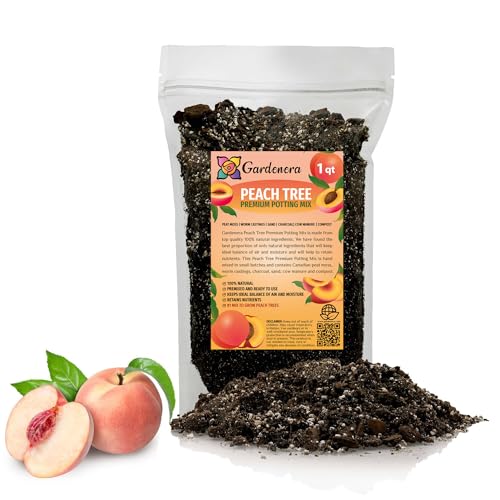
🍑 𝐏𝐑𝐄𝐌𝐈𝐔𝐌 𝐏𝐄𝐀𝐂𝐇 𝐏𝐎𝐓𝐓𝐈𝐍𝐆 𝐌𝐈𝐗: Our Peach Potting Mix is expertly crafted to provide the perfect growing environment for vibrant and healthy peach plants. This premium soil mix ensures your peach trees receive the optimal nutrients, moisture, and aeration needed to thrive, making it ideal for both indoor and container gardening.

🍑 𝐏𝐑𝐄𝐌𝐈𝐔𝐌 𝐏𝐄𝐀𝐂𝐇 𝐏𝐎𝐓𝐓𝐈𝐍𝐆 𝐌𝐈𝐗: Our Peach Potting Mix is expertly crafted to provide the perfect growing environment for vibrant and healthy peach plants. This premium soil mix ensures your peach trees receive the optimal nutrients, moisture, and aeration needed to thrive, making it ideal for both indoor and container gardening.
Optimal Peach Tree Planting Techniques
Planting peach trees in Georgia requires careful attention to specific techniques that enhance growth and fruit production. Understanding the optimal conditions for planting, including soil preparation and spacing, is essential for cultivating healthy trees that thrive in the Peach State’s unique climate. This section outlines the best practices to ensure successful peach tree establishment.
Select a planting site with full sun exposure.
Dig a hole twice the width of the root ball and the same depth.
Place the tree in the hole and backfill with soil.
Water thoroughly to eliminate air pockets.
Peach Tree Moisture Retention Techniques
Maintaining optimal moisture levels is crucial for the health and productivity of peach trees in Georgia’s diverse climate. This section explores effective techniques to enhance moisture retention in the soil, ensuring that these prized trees thrive and produce abundant fruit. Implementing these strategies can significantly improve the overall yield and quality of peaches in the Peach State.
Mulch around the base to retain moisture.
Prune annually to promote air circulation and fruit production.
Fertilize in early spring with a balanced fertilizer.
Pest Control Strategies for Peach Trees
Effective pest control is crucial for maintaining healthy peach trees in Georgia’s unique climate. By understanding common pests and implementing targeted strategies, growers can protect their crops and ensure a bountiful harvest. This section explores various methods to manage pests and safeguard the vitality of peach trees throughout the growing season.
Peach trees are susceptible to various pests and diseases. Regular monitoring and proactive measures can help maintain tree health.
Peach Tree Pests and Disease Management
Managing pests and diseases is crucial for maintaining healthy peach trees in Georgia’s unique climate. This section explores common threats to peach crops, offering practical strategies to identify and combat these issues effectively. Understanding these challenges will help ensure a bountiful harvest in the Peach State.
Peach Tree Borer: A significant threat that can damage the tree.
Brown Rot: A fungal disease affecting fruit quality.
Implementing integrated pest management strategies can minimize damage. Consider using organic pesticides and maintaining tree hygiene to prevent infestations.
Peach Harvest Timing and Techniques
Understanding the optimal timing and techniques for harvesting peaches is crucial for maximizing yield and quality in Georgia’s unique climate. This section delves into the best practices for determining when to pick peaches, ensuring that growers can enjoy a successful harvest while maintaining the fruit’s flavor and texture.
Knowing when and how to harvest peaches is crucial for the best flavor. Timing can affect the sweetness and texture of the fruit.
Peach Color Assessment for Optimal Harvest
Understanding the color of peaches is crucial for determining their ripeness and ensuring a successful harvest in Georgia’s unique climate. This section delves into the specific color indicators that signal when peaches are at their peak, providing essential insights for growers aiming to maximize quality and flavor in their yields.
Check color: Peaches should have a rich, vibrant color.
Feel for firmness: The fruit should yield slightly to pressure.
Pick in the morning: This preserves freshness and flavor.
Enjoying fresh peaches can include making jams, pies, or simply eating them raw. Proper storage will also extend their shelf life.
Peach Orchard Cultivation Guidelines
Cultivating peach orchards in Georgia requires careful attention to local soil conditions and climate. Understanding the specific needs of peach trees can significantly enhance fruit production and overall orchard health. The following guidelines provide essential practices to ensure successful peach tree growth in the Peach State.
Growing peaches in Georgia requires attention to soil, climate, and variety selection. By following these guidelines, you can cultivate a fruitful peach orchard.
