

What do you do with your fruit trees when winter rolls around? If you’re like many gardeners, you might wonder how to keep those trees healthy and thriving during the colder months. Winter can feel like a daunting time for your garden, but it doesn’t have to be.
Taking care of your fruit trees in winter is crucial for their growth and productivity in the spring. This article will guide you through simple steps to protect your trees from harsh weather, prevent pests, and ensure a bountiful harvest come warmer days. You’ll discover practical tips that make winter care easy and effective, so you can enjoy the fruits of your labor all year long.
Key Takeaways
- Winter Care is Essential: Taking care of fruit trees in winter is crucial for their health and future productivity, preventing damage from frost and harsh weather conditions.
- Disease and Pest Management: Preventing diseases and managing pests during winter helps protect your trees from future infestations and infections, ensuring a healthier growing season.
- Proper Pruning Techniques: Use winter as an opportunity to prune dead or overcrowded branches, promoting healthy growth and enhanced air circulation.
- Soil and Moisture Management: Maintain soil health through mulching and keep an eye on moisture levels, as trees still need water even during dormant months.
- Use of Organic Treatments: Apply organic pest control treatments, like neem oil and horticultural oil, to help prevent and manage winter pest problems effectively.
- Protecting Branches with Insulation: Insulating roots with organic materials, such as straw or shredded leaves, provides additional protection from extreme winter temperatures.
Importance Of Winter Care For Fruit Trees
Caring for fruit trees in winter plays a critical role in ensuring their health and productivity. Winter care protects trees from harsh temperatures and frost, minimizing damage to branches and buds. Without proper care, trees can become stressed, leading to reduced yields in warmer seasons.
Disease Prevention
Disease prevention is essential during winter. Moisture can contribute to fungal infections. Keep your trees dry by ensuring proper air circulation. Inspect for signs of disease, like black spots or lesions, and take action if necessary. Dormant sprays can deter harmful pests and pathogens from overwintering.
Pest Management
Managing pests before spring arrives is key. Common pests, such as aphids or spider mites, can lay eggs on your trees. Applying horticultural oil can suffocate these pests while they’re dormant, keeping your trees healthy. Regular inspections help catch potential infestations early.
Branch Protection
Protecting branches from winter damage is important. Ice and snow can weigh down branches, causing breaks. Prune trees before winter sets in. Remove any dead or weak branches that are more susceptible to breakage. Using tree wraps can shield young trees from extreme temperature fluctuations.
Soil Health
Soil health influences tree vitality. Mulching around the base of your trees retains moisture and regulates soil temperature. Use organic mulch, like wood chips or leaves. This not only nourishes the soil but also reduces weeds. Keep the mulch a few inches away from the trunk to prevent rot.
Nutrient Management
Nutrient management prepares trees for spring growth. A soil test helps determine what nutrients are needed. Applying a balanced fertilizer in late winter enriches the soil, ensuring that trees receive essential nutrients as they enter their active growing phase.
Watering
Watering continues to be important even in winter. Trees need moisture, especially during dry spells. Check the soil regularly; if it’s dry several inches down, give your trees some water. Focus on deep watering, which encourages robust root systems.
Conclusion
Implementing these winter care techniques enhances the resilience of your fruit trees. Ensuring their health during the cold months leads to a prosperous and fruitful growing season.
Preparing Fruit Trees For Winter
Caring for your fruit trees during winter requires specific actions to ensure their health. Here are some crucial steps to take during this season.
Recommended Products

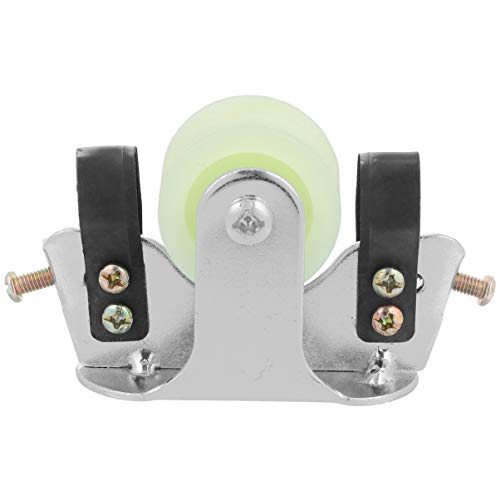
Core Girdling Action: This Girdling Cutter for Fruit Tree removes a ring of bark to help redirect nutrients upward after the wound heals, supporting flower bud formation and fruit set while giving growers a practical Peeling Pruning Tool for seasonal orchard care
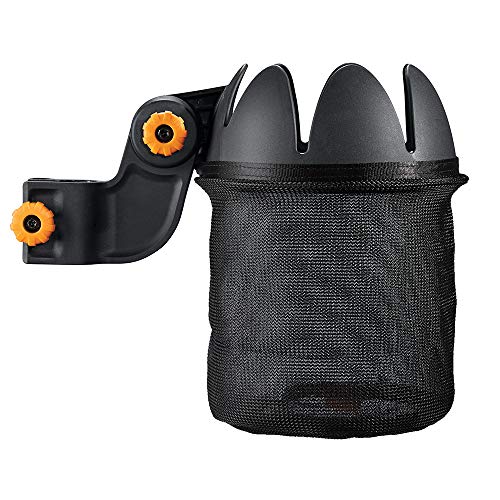
Fiskars Fruit Picker Basket harvests fruit from tall trees without bruising or scratching
Pruning Techniques
Pruning fruit trees in winter promotes healthy growth in the spring. Focus on these methods:
- Remove Dead Wood: Cut away any dead or diseased branches to encourage new growth and reduce disease risk.
- Thin Out Crowded Branches: Open up the canopy by removing crossing or overcrowded limbs for better sunlight exposure and airflow.
- Shape the Tree: Maintain a balanced shape that allows for even growth. Aim for a central leader or an open center, depending on the species.
- Use Clean Tools: Sterilize your tools with rubbing alcohol to prevent spreading infections between cuts.
Mulching and Insulation
Mulching offers essential protection for your fruit trees during cold months. Consider the following steps:
- Apply Organic Mulch: Spread 2-4 inches of organic mulch around the base to retain moisture, suppress weeds, and maintain soil temperature.
- Avoid Direct Contact: Keep the mulch a few inches away from the trunk to prevent rot and pest infestations.
- Insulate Roots: Use straw or shredded leaves for extra insulation in areas with severe cold. This adds an additional layer of protection for the root system.
- Monitor Moisture Levels: Check periodically to ensure the soil remains moist beneath the mulch. Add water during dry spells to support the root system.
By implementing these techniques, you help your fruit trees thrive and prepare them for a fruitful growing season ahead.
Protecting Fruit Trees From Pests
Protecting your fruit trees from pests in winter is essential for maintaining their health and productivity. Taking small steps now can prevent bigger problems later.
Recommended Products
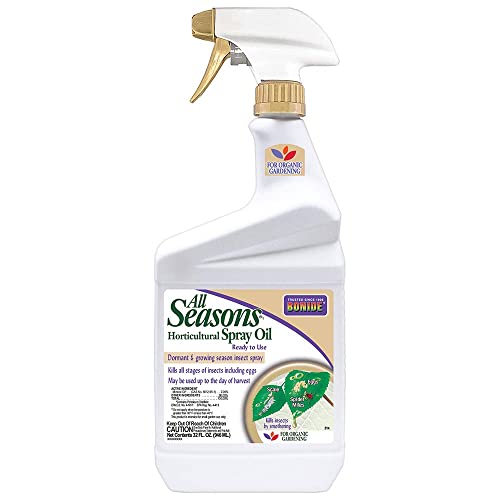
Control insects and diseases in your home garden with All Seasons Horticultural and Dormant Spray Oil Concentrate; use year-round to control listed insects and diseases

USE YEAR ROUND - Our 3-in-1 product provides year-round protection against insects, mites, and diseases. Can be used at the dormant stage, green tip stage, delayed dormant stage, and during the growing season to prevent pest infestations and disease.

Protect your oasis with 3 garden products in 1 from Captain Jack’s; Bonide Captain Jack’s Ready-to-Use Neem Oil spray for plants is a multi-purpose fungicide, insecticide and miticide for your lawn & garden
Identifying Common Pests
Identify common pests that threaten your fruit trees during winter. Key pests include:
- Aphids: These small insects cluster on new growth and stems, sucking sap.
- Spider Mites: Tiny, spider-like creatures create webbing and cause leaf discoloration.
- Scale Insects: These pests look like small bumps on branches and can weaken trees.
- Coddling Moths: Their larvae can damage fruit, entering it and causing decay.
Look for signs of these pests on your trees. Inspect leaves, branches, and the base of your tree. Early detection allows for better control.
Applying Organic Treatments
Applying organic treatments effectively controls pests while protecting the environment. Consider these options:
- Neem Oil: This natural pesticide disrupts the lifecycle of pests. Spray it on infested areas during dormant periods to target pests.
- Horticultural Oil: This lightweight oil suffocates pests like aphids and spider mites. Apply it during the winter months when trees are dormant.
- Insecticidal Soap: This kills soft-bodied insects. Spray it directly on pests for immediate action.
Follow label instructions for mixing and application rates. Treat trees during warmer winter days when temperatures rise above freezing, allowing the treatments to dry effectively.
Watering Considerations During Winter
Maintaining proper moisture levels in winter is critical for your fruit trees. Even in cold months, trees require water to stay healthy. Here are key factors to consider:
Recommended Products

Accurate Soil Moisture Detection: The XLUX Soil Moisture Meter can tell you if the soil deep inside your pot or garden is dry, moist or wet; whereas your eyes and fingers can only determine the moisture level of the soil surface. The probe is 5.5 inches (14 cm) longer than regular styles, allowing it to measure the soil moisture at the bottom of larger and deeper flower pots.

Accurate Soil Moisture Detection: The XLUX Soil Moisture Meter can tell you if the soil deep inside your pot or garden is dry, moist or wet; whereas your eyes and fingers can only determine the moisture level of the soil surface. The probe is 5.5 inches (14 cm) longer than regular styles, allowing it to measure the soil moisture at the bottom of larger and deeper flower pots.

Long Probe for deep use - For plants with deep root systems, a long probe can reach the roots to provide an accurate moisture reading. This is essential for ensuring that the entire root zone is adequately watered
Soil Moisture Monitoring
- Check soil moisture regularly, especially during dry spells.
- Use a moisture meter or your finger to gauge how deep water penetrates the soil.
Watering Schedule
- Water trees on warmer days when the temperature is above freezing.
- Adjust the frequency based on rain or snow, focusing on maintaining consistent moisture without waterlogging.
Tree Age and Size
- Young trees need more frequent watering than established ones.
- Larger trees, with more developed root systems, can often access moisture deeper in the soil.
Application Method
- Apply water slowly and deeply at the base of the tree.
- Avoid watering the foliage, as this can lead to freeze damage.
- Use organic mulch around the base of your trees to retain moisture.
- Apply a layer of mulch, about 2 to 4 inches thick, without touching the trunk to prevent rot.
By actively monitoring moisture levels and adjusting your watering practices during winter, you can support the health and vitality of your fruit trees for a bountiful spring.
Conclusion
Taking care of your fruit trees in winter is essential for a thriving garden come spring. By following simple practices like pruning and pest management you can set your trees up for success. Remember to keep an eye on moisture levels and protect your trees from harsh weather.
With a little effort now you’ll reap the rewards later. Enjoy the satisfaction of nurturing your trees and watching them flourish as the seasons change. Your hard work will definitely pay off with a bountiful harvest ahead. Happy gardening!
Frequently Asked Questions
Why is winter care important for fruit trees?
Winter care is crucial for fruit trees as it helps minimize damage from cold temperatures and frost, which can stress trees and affect their spring yields. Proper care also prevents diseases, manages pests, and ensures overall tree health.
What are some effective winter care tips for fruit trees?
Effective tips include applying organic mulch to retain moisture, regularly watering during dry spells, inspecting for pests and diseases, pruning wisely to promote growth, and protecting branches from ice and snow.
How do I manage pests during the winter months?
To manage winter pests like aphids and spider mites, inspect trees thoroughly for signs of infestation. Use environmentally friendly treatments such as neem oil or insecticidal soap, following label instructions for effective application.
What role does moisture play in winter fruit tree care?
Maintaining proper moisture levels is vital during winter as it supports tree health. Regularly monitor soil moisture, especially during dry spells, and water on warmer days, ensuring trees are adequately hydrated without waterlogging.
How should I prune my fruit trees in winter?
Prune fruit trees in winter by removing dead wood, thinning crowded branches, and shaping the tree for balanced growth. Always use clean, sterilized tools to prevent infections and promote healthy growth for the spring season.
What kind of mulch is best for fruit trees in winter?
Organic mulch, such as wood chips or straw, is best for winter care as it helps retain soil moisture, regulates temperature, and prevents weed growth. Apply a layer around the base of the tree, avoiding direct contact with the trunk.
How can I prevent ice and snow damage to my fruit trees?
To protect fruit trees from ice and snow, consider wrapping branches with burlap for insulation, ensuring they are well-pruned to avoid breakage. Additionally, shake off any heavy snow buildup carefully to prevent limb damage.
